
The Benefits of Timely Tree Removal
Tree removal is a necessary aspect of landscape management, though it may seem counterintuitive to think of cutting trees as beneficial. When performed through professional tree removal services, this process supports long-term safety, environmental balance, and overall property upkeep. In this article, we explore the advantages of removing trees at the right time, including how thoughtful planning around tree removal services can improve safety, protect surrounding vegetation, and maintain functional outdoor spaces. While trees play an important ecological role, certain conditions make removal the most responsible option for protecting people, structures, and land use.
The demand for professional tree care continues to grow as property owners prioritize safety, maintenance, and long-term landscape health. According to IBISWorld, there are 30,365 tree trimming businesses in the United States, reflecting how essential these services have become across residential and commercial properties. This wide availability allows property owners to access experienced providers who understand regional tree species, growth patterns, and environmental conditions. With so many established businesses operating nationwide, homeowners and developers alike can take a more proactive approach to tree management, addressing potential risks before they escalate into costly or hazardous situations.
1. Ensures Safety and Minimizes Risk
1.1 Addresses Dead or Diseased Trees
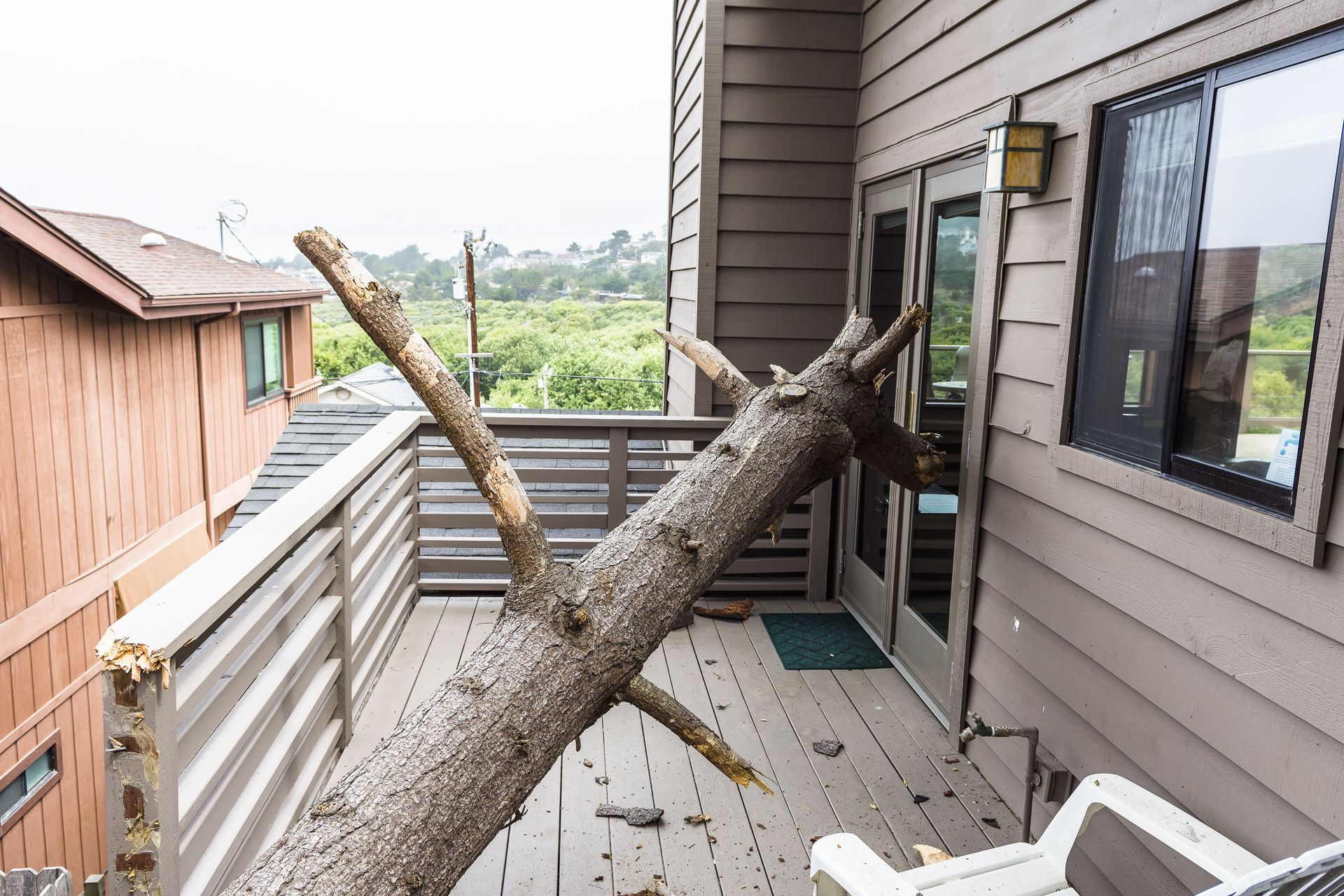
Removing dead or diseased trees helps eliminate hazards caused by weakened trunks and unstable branches. As decay progresses, these trees become unpredictable and may fail without warning, putting people and property at risk. Professional tree removal services are often required once structural integrity is compromised, allowing hazards to be addressed before accidents occur.
1.2 Prevents Damage to Infrastructure
Strategic tree removal protects nearby buildings, roadways, and utility systems from structural damage. Expanding root systems can crack foundations, disrupt underground utilities, and damage paved surfaces over time. Tree removal services help manage growth near critical infrastructure, reducing the likelihood of costly repairs and ongoing maintenance issues.
1.3 Reduces Liability and Legal Risks
Property owners may face legal responsibility if a hazardous tree causes injury or damage. Relying on tree removal services allows owners to address known risks before they escalate into legal claims. Proactive action demonstrates responsible property management and reduces exposure to liability related to negligence.
1.4 Enhances Emergency Response Access
Unstable trees and fallen branches can obstruct driveways, access roads, and entry points needed by emergency responders. These obstructions may delay critical services during medical emergencies, fires, or severe weather events. Removing hazards in advance helps maintain clear access routes and supports faster response times when emergencies occur.
1.5 Contains and Prevents Fire Risks
Dead and overgrown trees increase fire hazards, particularly in dry or wildfire-prone regions. Dry limbs and decaying wood act as fuel that can accelerate fire spread across a property. Removing these risks through proactive vegetation management helps protect structures and surrounding landscapes from fire damage.
2. Promotes Tree and Plant Health
2.1 Prevents the Spread of Pests and Disease
Tree removal services help limit the spread of pests and diseases that can move rapidly through connected root systems or airborne spores. Infected trees often serve as a source of contamination for nearby vegetation. Removing these trees early helps preserve the health of surrounding plants and supports a more resilient landscape.
2.2 Encourages Healthy Growth of Remaining Vegetation
Overcrowded landscapes force trees and plants to compete for sunlight, water, and nutrients. Strategic removal reduces this competition, allowing remaining vegetation to grow stronger and healthier. Balanced spacing supports long-term vitality and improves the overall appearance of landscaped areas.
2.3 Allows for Better Sunlight Penetration
Dense canopies can block sunlight from reaching lower-level plants and ground cover. Removing select trees opens the canopy and restores natural light flow throughout the landscape. Improved sunlight exposure supports biodiversity and encourages healthier plant development.
2.4 Improves Air Circulation
Limited airflow between tightly clustered trees creates damp conditions that encourage fungal growth. Tree removal services help improve circulation, reducing excess moisture and disease risk. Better airflow supports healthier growing conditions for remaining trees and plants.
2.5 Supports Soil Health and Stability
Excessive tree density can strain soil nutrients and contribute to erosion. Managing tree coverage allows soil to retain nutrients while maintaining proper ground stability. Balanced vegetation coverage supports healthier soil and long-term land sustainability.
3. Enhances Aesthetic Appeal
3.1 Creates a Polished Landscape
Declining or poorly placed trees can disrupt the visual balance of a property. Tree removal services help refine landscape design by eliminating elements that detract from overall appearance. The result is a cleaner, more intentional look that enhances curb appeal.
3.2 Opens Up Space for New Landscaping
Removing unnecessary trees creates room for gardens, pathways, patios, or outdoor features. This additional space allows property owners to redesign areas to better suit functional and aesthetic goals. Landscape improvements often become more flexible after targeted removal.
3.3 Highlights Architectural Features
Overgrown trees can obscure architectural details and scenic views. Strategic removal restores visibility and strengthens the connection between natural and built elements. Highlighting these features enhances the character and visual impact of the property.
3.4 Improves Curb Appeal for Property Sale
Well-maintained landscapes create strong first impressions for potential buyers. Tree removal services contribute to a clean, organized appearance that increases perceived property value. Improved curb appeal can influence buyer interest and shorten time on the market.
3.5 Harmonizes with Seasonal Changes
Certain trees lose visual appeal during specific seasons. Selective removal allows landscapes to adapt with plantings better suited for year-round appearance. Seasonal balance improves consistency and visual interest throughout the year.
4. Increases Property Value
4.1 Attracts Potential Buyers
Landscapes that appear well-managed signal ongoing care and maintenance. Strategic tree management enhances visual appeal while reducing future upkeep concerns for buyers. These factors contribute to stronger buyer confidence and market interest.
4.2 Lowers Maintenance Costs
Tree removal services help reduce expenses related to storm cleanup, foundation repairs, and emergency interventions. Addressing problematic trees early prevents recurring damage and ongoing costs. Long-term savings often offset the initial investment in removal.
4.3 Improves Usable Space
Hazardous or oversized trees can limit how outdoor areas are used. Removing these obstacles opens space for recreational or living areas. Increased usability enhances both daily enjoyment and property functionality.
4.4 Reduces Insurance Costs
Insurance providers often assess risk factors tied to falling trees and structural damage. Tree removal services help lower these risks by addressing known hazards. Reduced exposure may contribute to more favorable insurance terms.
4.5 Enhances Sustainability and Environmental Impact
Responsible tree management supports long-term environmental balance. Thoughtful removal prevents overgrowth and supports soil and plant health. Sustainable practices benefit both property use and surrounding ecosystems.
5. Facilitates Development and Construction
5.1 Clears Space for Building Projects
Tree removal is often required before construction or expansion can begin. Clearing obstacles supports proper site preparation and foundation work. This step helps projects proceed safely and efficiently.
5.2 Helps with Plotted Land Reconfiguration
Removing trees allows land to be reshaped to match development plans. Flexible layouts support modern building and zoning needs. Strategic adjustments help align natural features with construction goals.
5.3 Permits Infrastructure Improvements
Tree clearing supports upgrades to utilities, drainage systems, and roadways. Removing obstructions reduces delays and added costs during installation. Infrastructure improvements benefit from clear, accessible work areas.
5.4 Removes Obstacles for Efficient Construction
Trees within construction zones can restrict equipment movement and workflow. Pre-project removal creates safer and more efficient job sites. Improved access supports timelines and cost control.
5.5 Ensures Compliance with Building Codes and Regulations
Local codes often regulate tree proximity to structures and utilities. Removing non-compliant trees helps projects meet approval requirements. Compliance supports smoother inspections and project completion.
Timely tree removal plays a vital role in maintaining safety, plant health, and visual appeal across properties. When supported by professional tree removal services, these efforts contribute to sustainable land management and long-term value. By applying informed strategies, property owners and communities can create safer, healthier, and more attractive landscapes that balance environmental responsibility with practical needs. Contact Kelley Brothers Tree Service today to learn more.

Share On: