
5 Signs a Tree in Your Yard Needs to Be Removed
Trees add beauty, shade, and value to residential properties, but they can also become hazardous when health or structural issues develop. Most homeowners enjoy the benefits trees provide without thinking about the potential risks hidden within the trunk, branches, or root system. However, ignoring warning signs can lead to property damage, safety concerns, and costly emergency situations. Identifying problems early gives you the chance to take action before a dangerous situation occurs, whether that means pruning, treatment, or calling a professional tree removal service.
While many trees can be preserved through proper care, some reach a point where removal is the safest and most responsible choice. Understanding what to look for allows you to make informed decisions and protect your home and family. Below are five common signs indicating a tree in your yard may need to be removed. Recognizing these issues early can help you avoid costly repairs and unexpected emergencies.
1. Structural Damage Warning Signs
One of the most serious indications that a tree may require removal is structural instability. Trees with significant cracks, splits, or cavities in the trunk often become weak and unpredictable. Damage caused by storms, lightning strikes, or previous improper pruning can compromise the tree's internal structure, making it more susceptible to breaking.
Large vertical cracks are especially concerning. They may signify that the trunk is separating, creating a high risk of collapse. Hollows or cavities can also weaken the tree, particularly when they occupy a large portion of the trunk. Even if the tree still produces leaves, internal decay may be progressing unnoticed.
Professional assessment is crucial when structural damage is present. A certified arborist can determine whether reinforcement measures, such as cabling or bracing, are possible. In many cases, however, the safest approach is to schedule a tree removal service before the tree fails unexpectedly. Taking proactive steps can prevent injuries and expensive repairs.
2. Severe Leaning
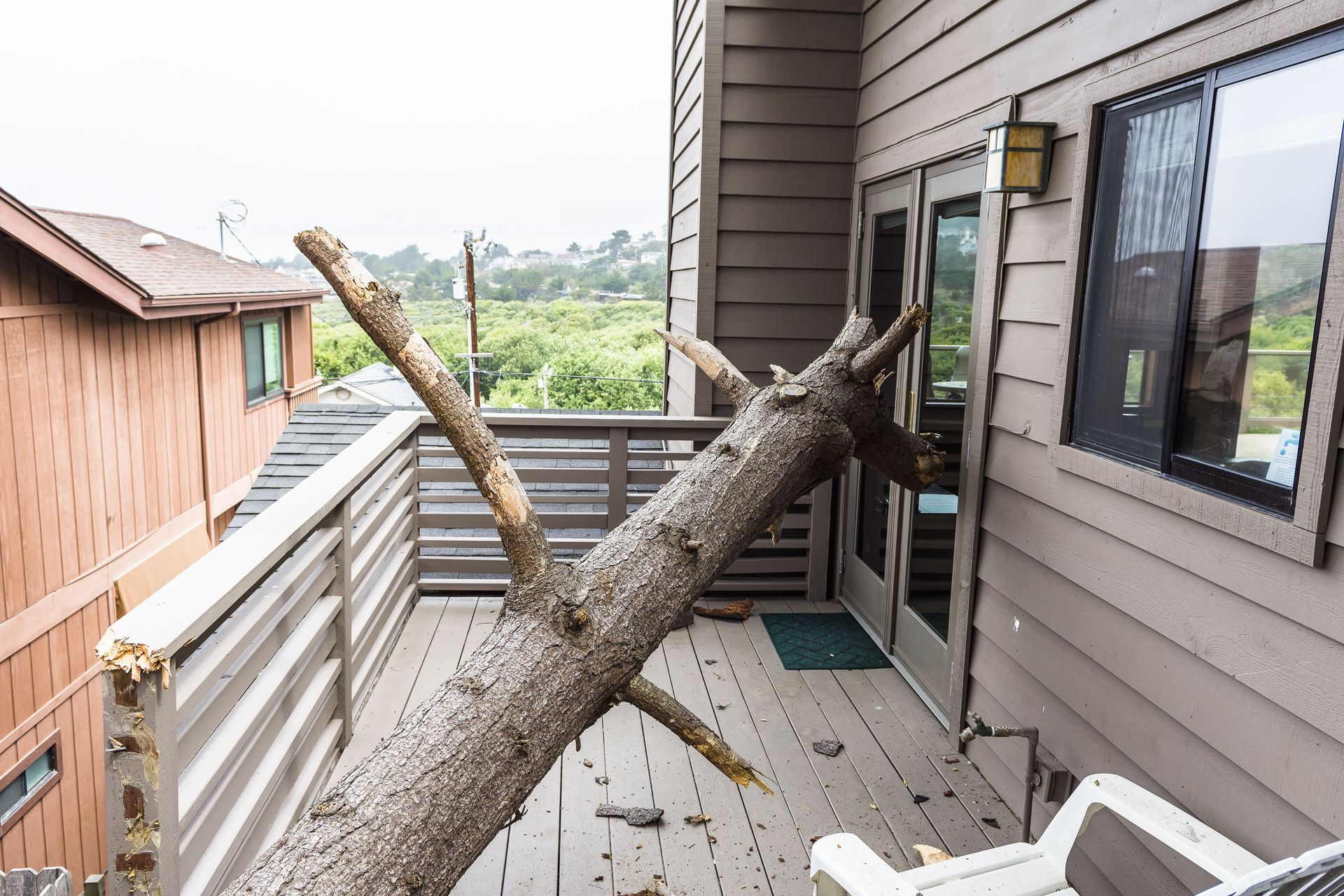
A natural lean does not always indicate danger, especially if the tree has grown that way over many years. However, sudden or increasing leaning is a major red flag. A tree that tilts abruptly after heavy winds or rainfall may have root instability or soil failure beneath it. This condition poses an immediate threat, as the tree could fall without warning.
Leaning combined with exposed roots, soil lifting, or visible cracking near the base requires urgent attention. These signs suggest that the root system can no longer anchor the tree securely. Trees leaning toward homes, driveways, sidewalks, or play areas pose an even higher risk and should be evaluated promptly.
Even if the tree appears stable for the moment, relying on luck is not advisable. A professional tree removal service can determine the level of danger and recommend the best course of action. Removing a severely leaning tree before it falls is far safer than dealing with the aftermath of property damage.
3. Dead or Diseased Branches
Branches that are brittle, leafless, or visibly decayed indicate declining tree health. Dead branches can break easily, especially during storms, becoming hazardous projectiles. When large branches fall from height, they can damage vehicles, roofs, fences, and outdoor living spaces — or injure people below.
Disease is another common contributor to tree decline. Fungal growth, peeling bark, oozing sap, or discoloration may indicate infection. Some diseases spread rapidly throughout the tree, weakening its structure and reducing its ability to absorb nutrients. Pest infestations, such as boring insects, can also cause extensive internal damage.
If more than half of the tree appears dead or diseased, recovery becomes unlikely. Removing the tree may prevent the problem from spreading to nearby vegetation. Many homeowners turn to a tree removal service at this stage, especially when treating the disease would be ineffective or cost-prohibitive.
Proper pruning can sometimes help save a tree with limited branch damage, but widespread decline typically signals that removal is the safest choice. Ignoring these symptoms may result in falling limbs or complete structural failure over time.
4. Root Problems
Roots play a critical role in stability and nourishment. When issues arise below the surface, the consequences can be severe and often go unnoticed until the tree begins to fail. Signs of root trouble include mushrooms or fungal growth near the base, soil heaving, visible root decay, and reduced leaf production.
Construction activity, landscaping projects, or changes in soil conditions can damage or suffocate roots. Compacted soil from heavy foot traffic or vehicles can also restrict oxygen flow, making it difficult for roots to function properly. Once roots deteriorate, the tree loses its ability to remain upright and receive essential nutrients.
A tree with significant root damage may appear healthy above ground, making diagnosis challenging for homeowners. Because root problems weaken the entire structure, these trees often become unstable and dangerous. Contacting a tree removal service is recommended when root damage is suspected, especially if the tree is located near buildings or high-traffic areas.
5. Interference With Property
Sometimes a tree may be healthy but still pose risks due to its location. Trees that grow too close to homes, garages, power lines, or plumbing systems can create costly complications. Roots invading underground pipes can cause blockages or leaks, while branches that rub against roofs or siding may lead to structural wear and moisture intrusion.
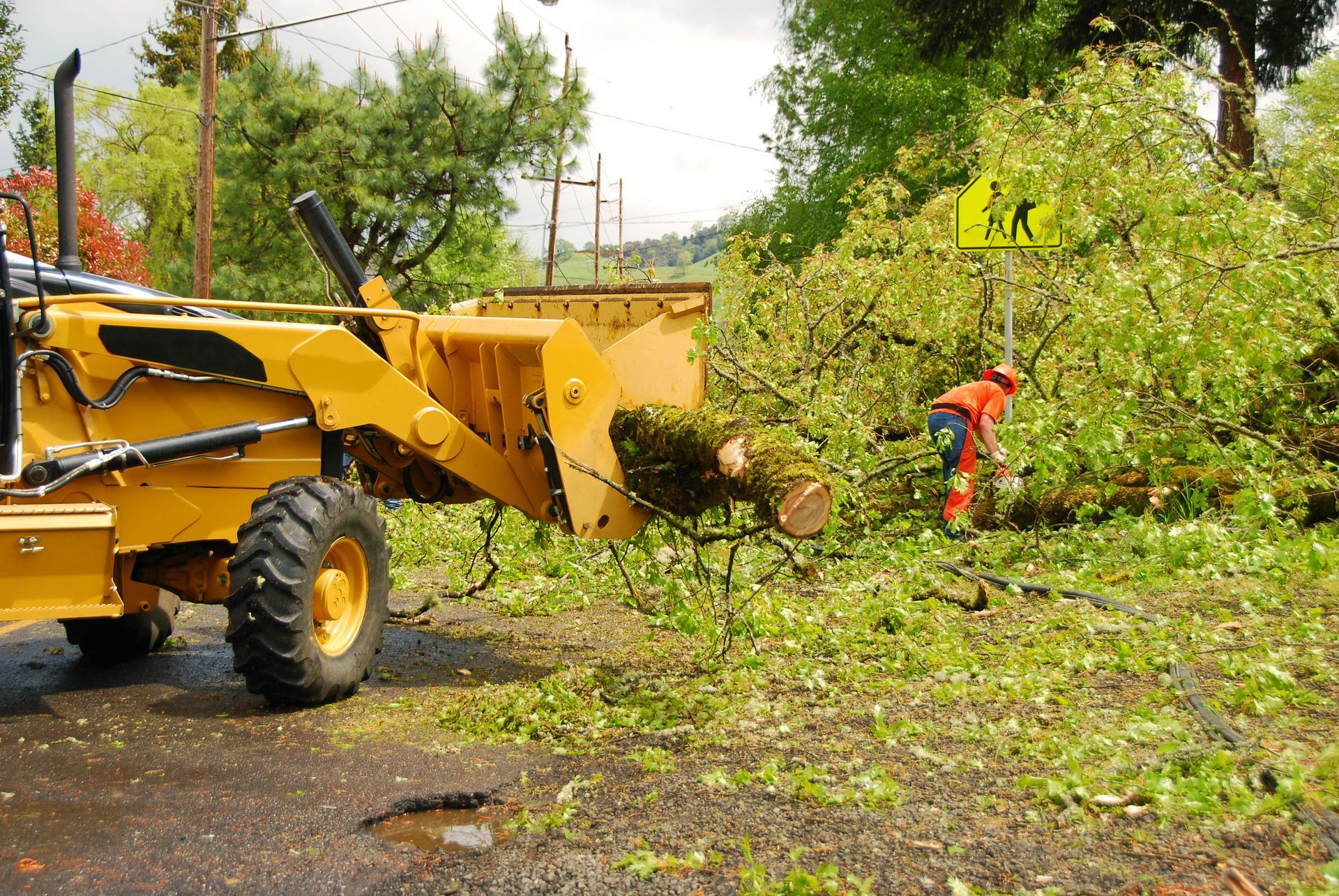
Trees near power lines are particularly dangerous. Branches can cause outages or fires if they come into contact with electrical equipment. In these cases, homeowners should not attempt trimming or removal themselves. Only trained professionals should handle trees in close proximity to utilities.
Additionally, overgrown trees can block sunlight, reduce airflow, or dominate the landscape, limiting the growth of other plants. While trimming may offer a temporary solution, removal may be necessary when the tree continues to interfere with the property's function or safety.
Many homeowners decide to hire a tree removal service when a tree repeatedly causes maintenance issues or threatens property integrity. Removing the tree can help prevent future damage, reduce costs, and improve the usability of outdoor spaces.
Trees are valuable assets, offering shade, beauty, and environmental benefits. However, when signs of damage, disease, instability, or interference appear, it is essential to address the issue promptly. According to IBISWorld, there are 30,365 tree trimming businesses in the U.S., highlighting the widespread need for professional assistance.
While not every problematic tree requires removal, knowing when to take action can make all the difference. Structural damage, sudden leaning, extensive disease, root problems, and property interference are strong indicators that a tree may pose a safety risk. When these warning signs appear, contacting a reputable tree removal service can provide peace of mind and help you protect your property.
Eliminating a hazardous tree may feel like a difficult decision, especially if it has sentimental value or contributes to the landscape. However, prioritizing safety and long-term property health is crucial. Early intervention can prevent accidents, reduce repair costs, and maintain a secure outdoor environment. Whether you choose treatment or removal, working with experienced professionals ensures that the job is completed safely and responsibly.
Protecting your home and family starts with taking the right steps when a tree becomes unsafe. If you've noticed any of these warning signs, don't wait for the problem to worsen. Reach out to Kelley Brothers Tree Service for professional guidance and safe, reliable tree removal services.

Share On: