

How a Tree Remover Minimizes Environmental Impact
Trees are the quiet cornerstones of our global ecosystem. They act as natural air purifiers, stabilizing forces for local soil networks, and complex sanctuaries for diverse wildlife. Yet, in our rapidly expanding world, tree removal is frequently an unavoidable reality. Whether driven by urgent public safety concerns, the containment of devastating arboricultural diseases, or essential urban infrastructure development, there are times when a tree must come down.
However, the necessity of removal does not grant a license for ecological devastation. The modern tree care industry is undergoing a vital transformation, shifting away from reckless clearing toward a philosophy of conservation and precision. When undertaken by forward-thinking professionals, tree removal becomes a carefully managed ecological transition. This article explores the innovative strategies, sustainable technologies, and community-minded approaches that professional tree removers implement to ensure that vital ecological balance is maintained, proving that we can safeguard our communities without sacrificing our environment.
1. Assessing the Necessity of Tree Removal
The decision to remove a tree is not one to be taken lightly, as trees hold intrinsic ecological value. Conducting thorough ecological assessments can help in understanding the role of a tree within its environment. By evaluating the ecological benefits, such as air purification and habitat support, professionals can judge whether removal is truly warranted.
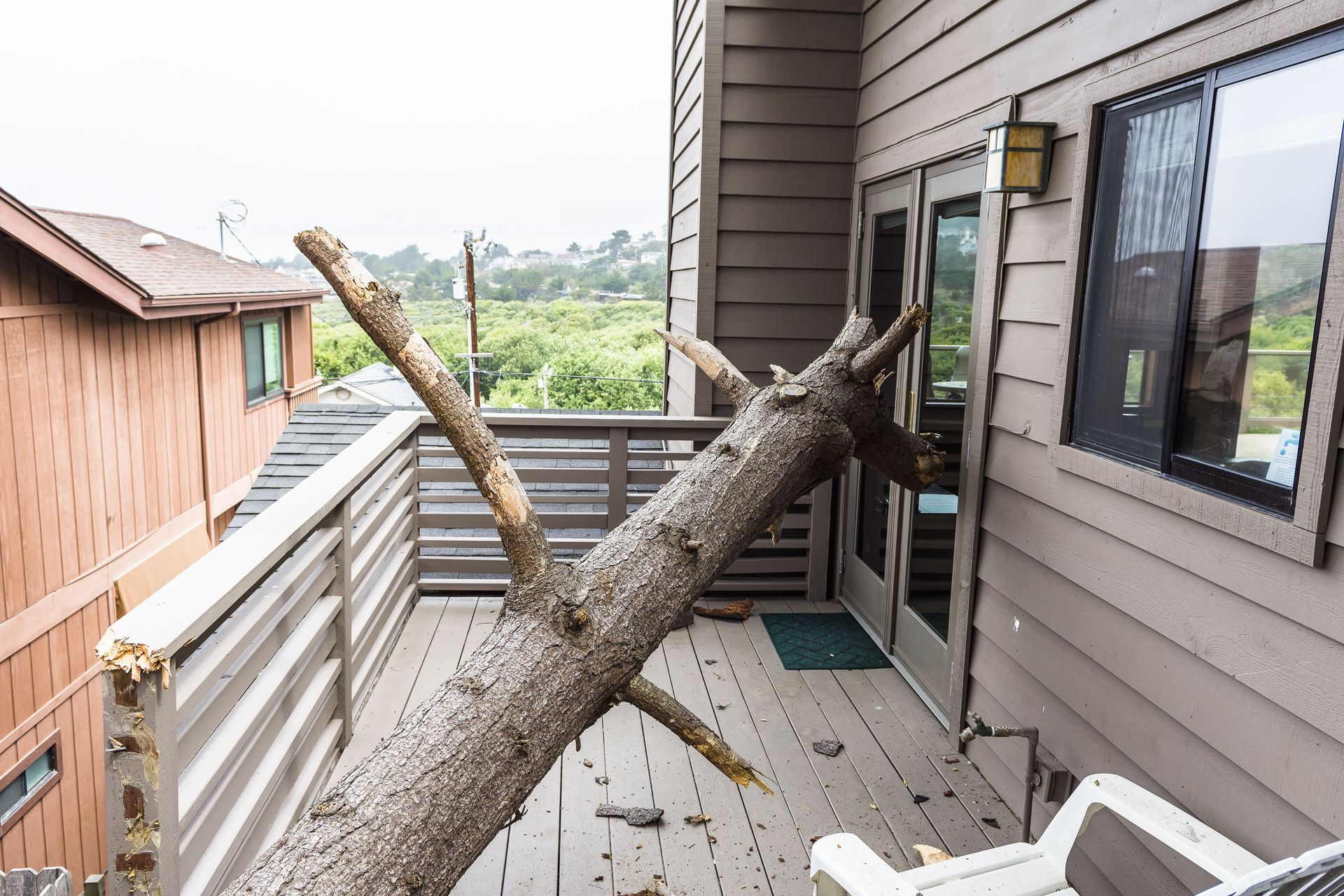
Evaluating the health and stability of a tree is essential to determining its removal necessity. Poorly maintained trees can pose risks such as falling branches, but sometimes health can be restored with proper care. According to the U.S. Department of Agriculture, in U.S. cities, an estimated 36 million urban trees are removed each year. With a loss of that scale, it is absolutely crucial to ensure that each removal is thoroughly justified.
Understanding the surrounding ecosystem impacts aids in evaluating the broader environmental effects of tree removal. Collaboration with environmental experts ensures an inclusive approach to the decision-making process. Considering alternative solutions, such as pruning or treatment, emphasizes the tree remover's commitment to minimizing ecological disturbance. By exhausting all preservation methods first, removal transitions from a default reaction to a strictly necessary last resort.
2. Implementing Sustainable Removal Techniques
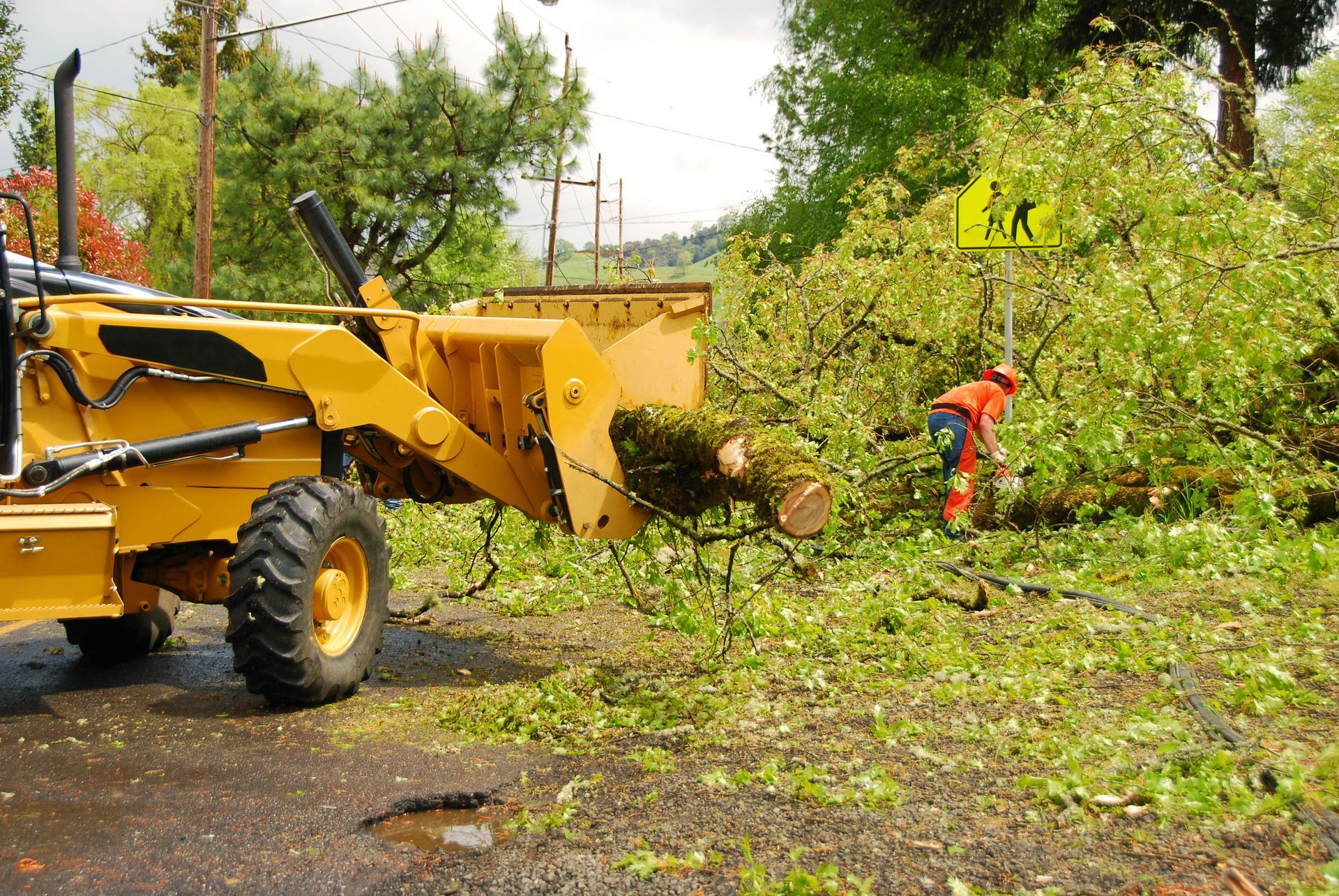
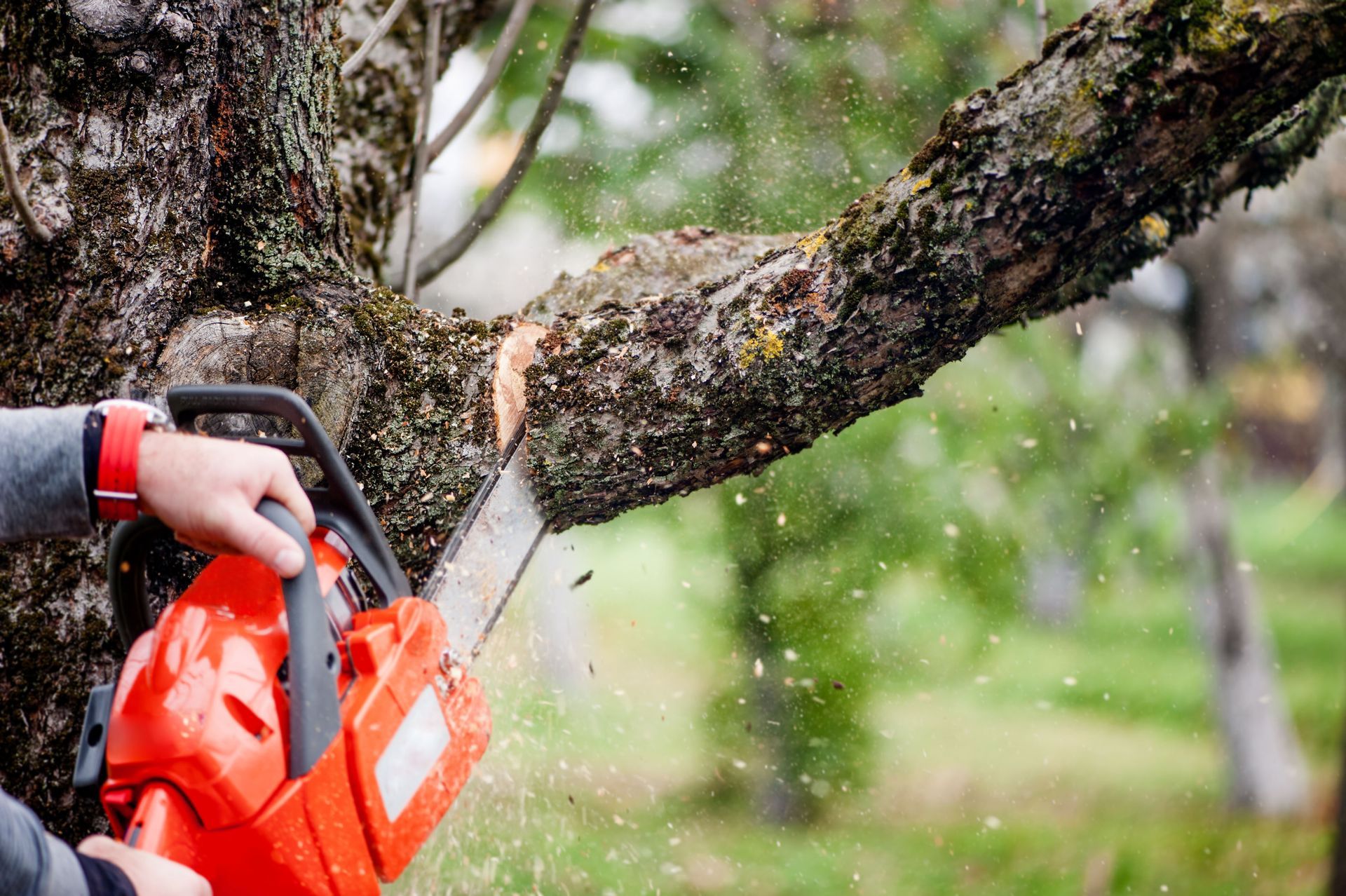
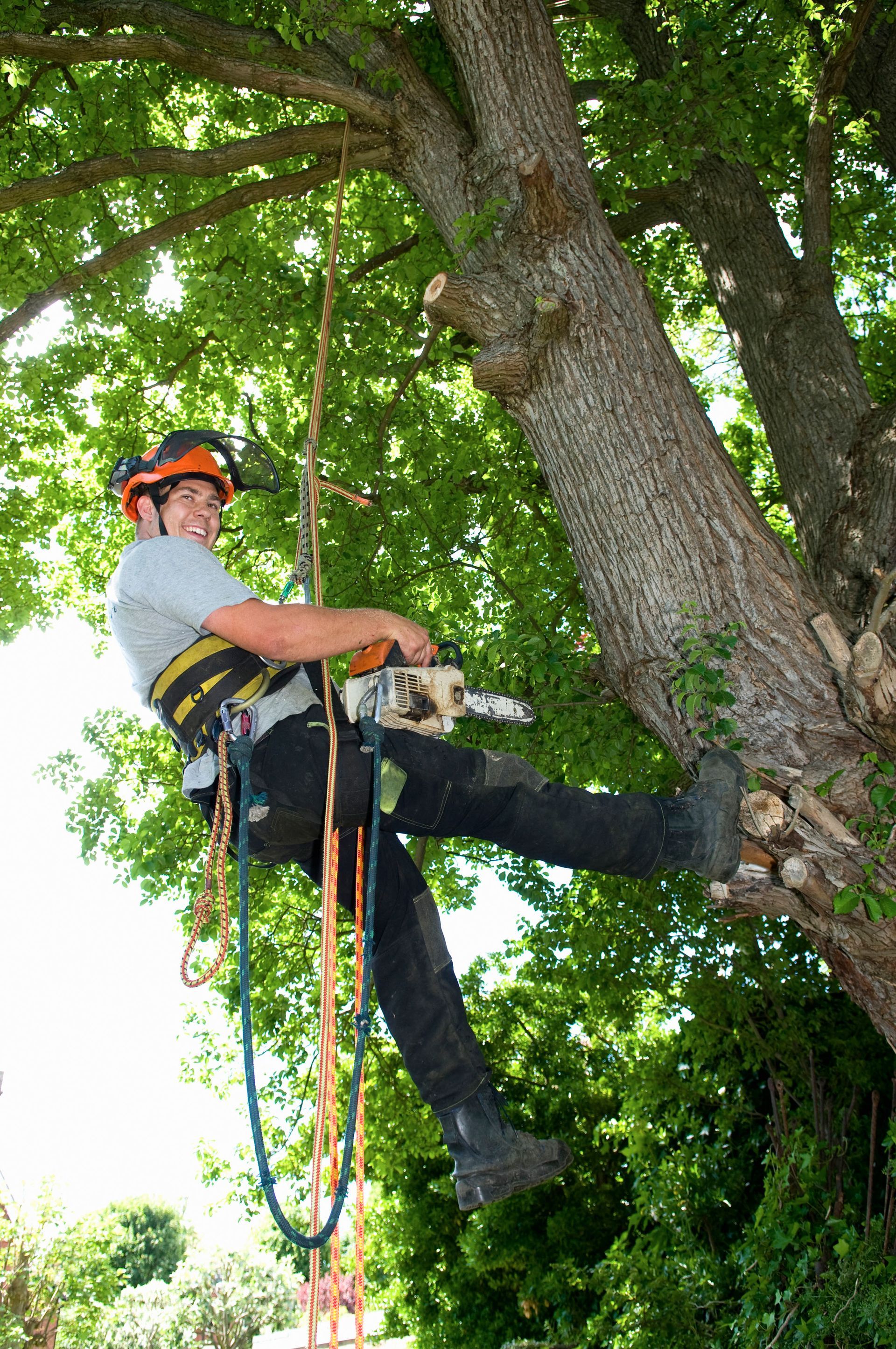
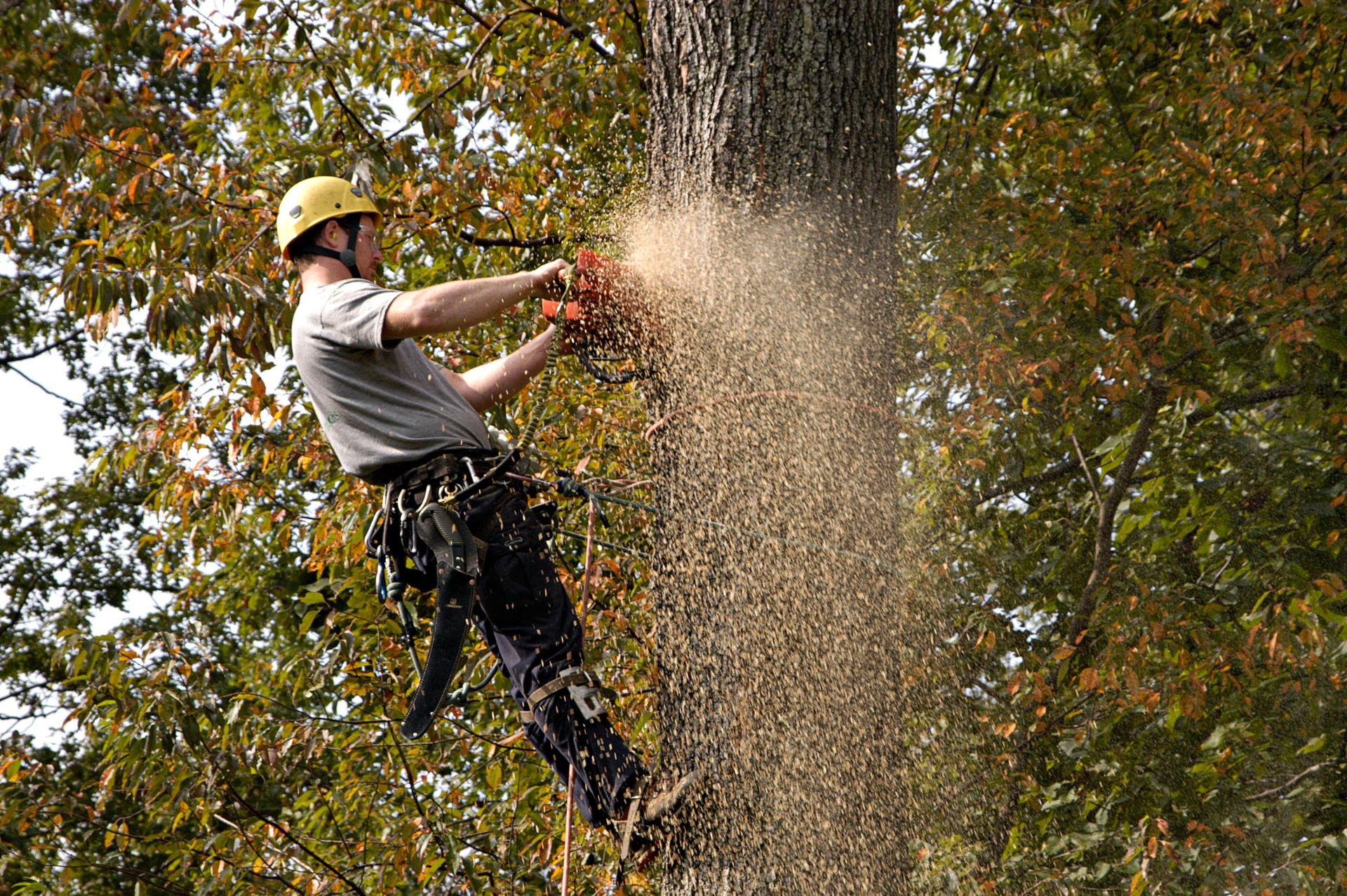
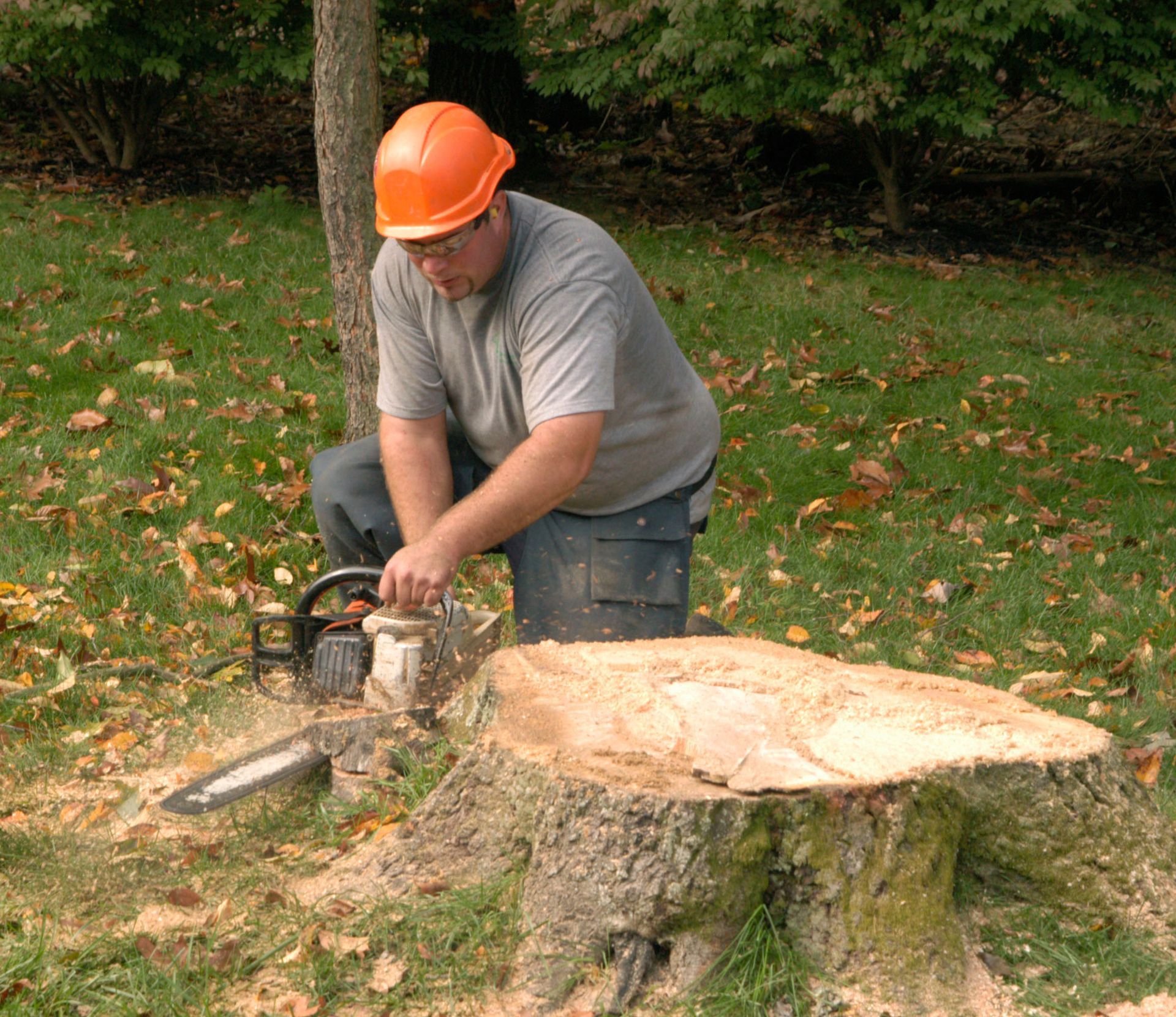
Sustainable tree removal begins with adopting precision cutting methods that minimize damage to the surrounding areas. By targeting only necessary sections of a tree, professionals can prevent unnecessary harm to nearby vegetation. This careful approach leads to fewer disturbances and fosters the preservation of adjacent plant life.
Utilizing eco-friendly equipment is another critical component of sustainable practices. By selecting machinery that runs on biodegradable lubricants and oils, tree removers lessen their environmental footprint. Emphasizing the use of technology that reduces emissions aligns the removal process with eco-conscious goals. Furthermore, transitioning to battery-powered chainsaws significantly reduces noise pollution, protecting both local wildlife and neighborhood tranquility.
Minimizing soil and root disturbance is vital during tree removal. Techniques that limit soil disruption help preserve the integrity of other plants' root systems. Moreover, securing wildlife before removal ensures that animals find a safe environment, showcasing the remover's dedication to preserving native habitats.
3. Recycling and Repurposing Removed Trees
Recycling and repurposing removed trees contribute significantly to sustainable removal practices. By transforming tree debris into mulch, professionals can aid in soil enrichment, promoting healthier plant growth. Similarly, producing compost from organic matter enhances nutrient distribution within gardens and green spaces. This natural closed-loop system directly reduces waste while cutting down on the need for chemical fertilizers.
Creating wooden products and art from removed trees celebrates their continued legacy. Artists and craftsmen can turn what was once living into beautiful works, breathing new life into old wood. This purposeful reuse highlights the transformative power of sustainable thinking.
Removing trees can also contribute to biomass energy sources. Converting wood into energy generates renewable options and reduces reliance on fossil fuels. Supporting local charity programs by donating usable wood encourages community involvement and resource conservation efforts.
4. Replanting and Ecological Restoration
Replanting is an essential step in the ecological restoration process, acting as a compensatory measure for removed trees. Choosing native species for replanting ensures that the ecosystem's integrity remains intact while supporting local biodiversity. Introducing diverse plant life components strengthens the health and adaptability of natural habitats.
Creating biodiversity corridors facilitates stronger wildlife connections and migration avenues. These pathways help maintain genetic diversity by encouraging species movement and interbreeding. Implementing such corridors reinstates balance and resilience within urban and rural ecosystems alike.
The commitment to ecological restoration extends beyond replanting. Post-removal monitoring ensures that new plantings thrive and adapt to their environment. Educating landowners about sustainable practices empowers them to support ongoing habitat vitality and be proactive in environmental conservation efforts. When property owners understand how to nurture young trees, the long-term survival rate of the new canopy increases exponentially.
5. Fostering Community Involvement and Awareness
Educating the community about the importance of hiring sustainable tree remover services is crucial for fostering environmental awareness. Organizing educational workshops provides valuable insights into eco-friendly practices and encourages collective responsibility for ecological balance. Participants gain practical knowledge about maintaining trees and the broader environmental benefits they provide.
Partnering with local environmental groups further strengthens community ties. These partnerships can foster tree planting initiatives, blending efforts towards a common objective of environmental preservation. By promoting tree planting projects, communities actively engage in rebuilding natural habitats and enhancing urban green spaces. These collective efforts not only restore the local canopy but also instill a shared sense of pride and environmental stewardship among residents.
Providing resources for homeowners supports their efforts to adhere to sustainable practices. Offering guidance on tree care and removal processes empowers individuals to make informed decisions about their properties. Sharing success stories and best practices highlights the achievements and potential of community-driven environmental stewardship, creating a ripple effect of positive action.
6. Complying with Environmental Regulations and Certifications
Adhering to environmental regulations is a cornerstone of responsible tree removal. Understanding regional environmental laws ensures compliance with legal standards designed to protect ecological systems. Professionals who adopt industry standards show a commitment to best practices that safeguard the environment.
Seeking certifications for sustainable practices demonstrates a tree remover's dedication to excellence in environmental care. These credentials enhance credibility and signal to clients that environmental integrity is prioritized. Documentation and reporting of environmental impacts further aligns practices with accountability and transparency.
Engaging with regulatory bodies provides opportunities for continuous improvement. By collaborating with overseers, tree removers can contribute feedback and adapt to evolving environmental standards. Such collaboration ensures that practices remain current and effective in addressing ecological challenges. Staying proactive in these discussions allows businesses to anticipate new green mandates well before they become law.
The removal of a tree does not have to signal an environmental loss. As we have explored, careful planning, scientific assessment, and responsible field practices can significantly mitigate, or even offset, the ecological footprint of tree removal. When tree care professionals view themselves not merely as technicians, but as stewards of the urban forest, the entire process changes. By rigorously assessing necessity, deploying low-impact technologies, recycling every ounce of organic material, and aggressively replanting for the future, they bridge the gap between human necessity and environmental preservation.
Sustainable tree removal is about honoring the life cycle of our green spaces. It transforms a potentially destructive event into an opportunity for renewal, ensuring that our urban and natural ecosystems remain vibrant, resilient, and balanced for generations to come. When hiring a tree remover, prioritizing those who commit to these eco-friendly frameworks is a choice that protects both our immediate safety and the health of our planet.
Contact Kelley Brothers Tree Service for safe, expert care. Call us today to schedule your free estimate and keep your landscape thriving!

Share On: