

Why Proper PPE is Non-Negotiable in Tree Services
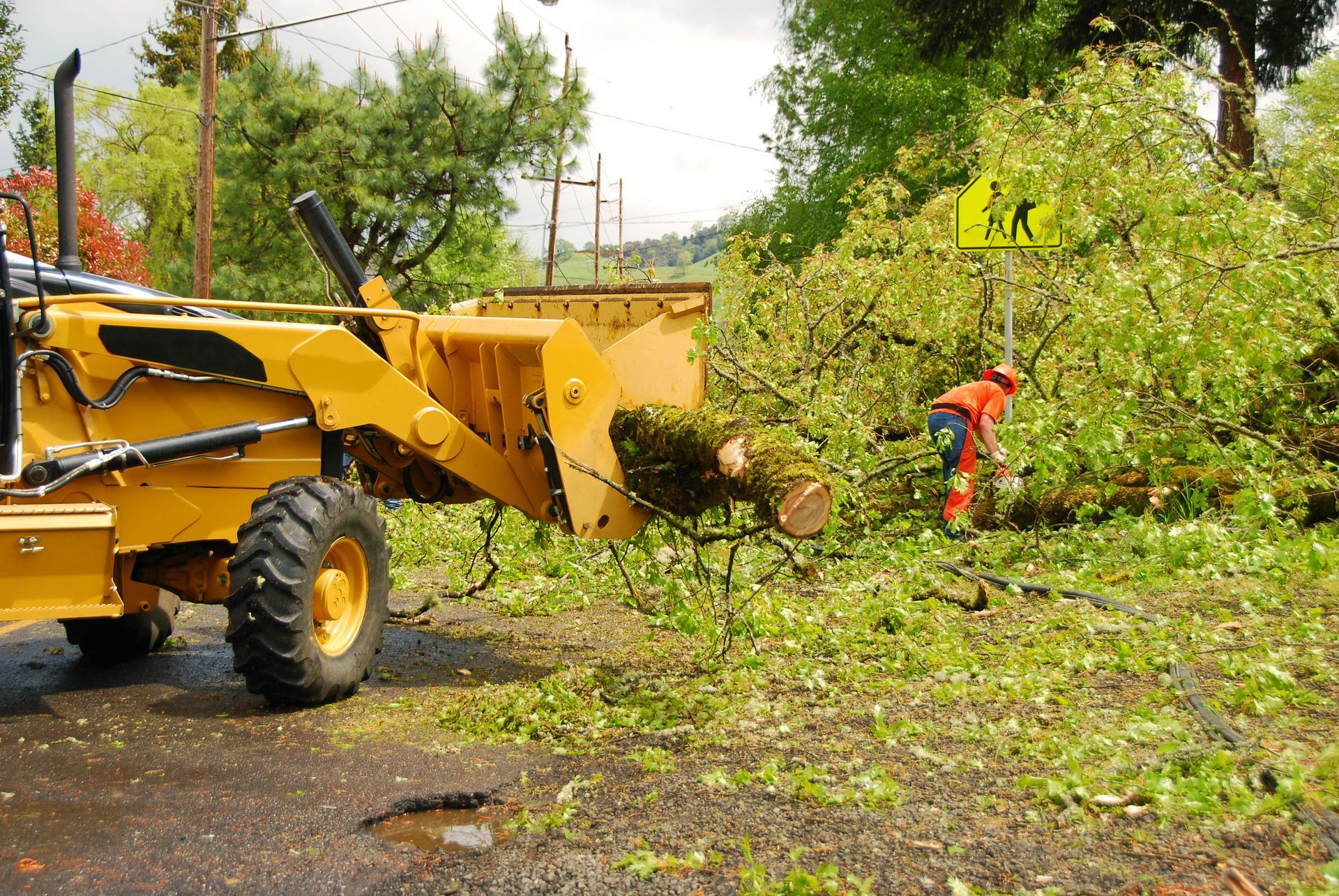
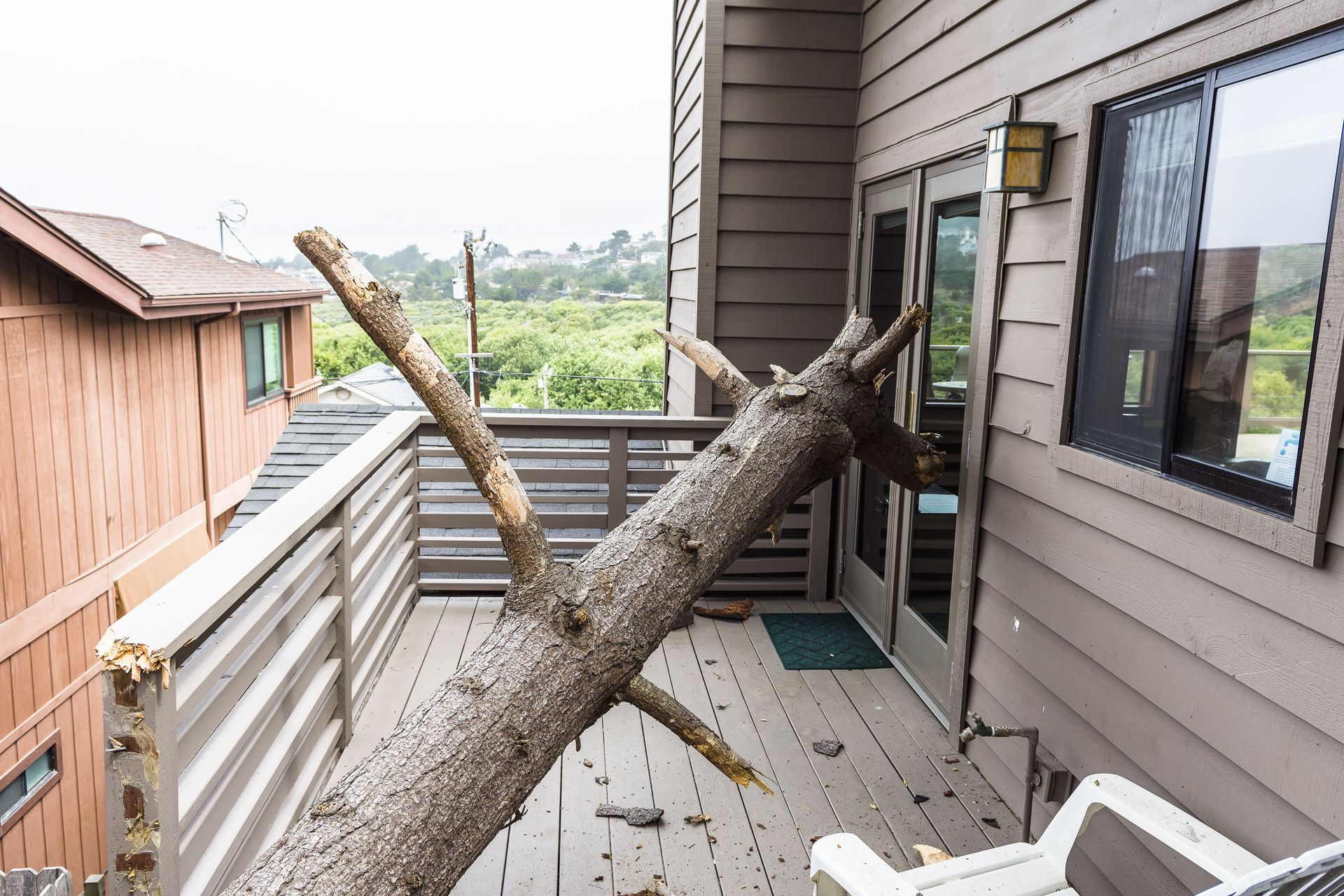
Tree services are inherently fraught with dangers, given the heights, the heavy machinery, and the variances in weather conditions that tree workers often face. According to Occupational Safety and Health Administration (OSHA) data, there are hundreds of fatalities and many more workplace injuries reported yearly in this industry. Ensuring the safety of workers is indispensable, not only from a humanistic perspective but also for operational viability and regulatory compliance. Wearing appropriate PPE minimizes risk exposure, contributing significantly to reducing workplace accidents. Let's take a look at the critical importance of personal protective equipment (PPE) in tree services, emphasizing safety, compliance, and operational efficiency.
Head Protection
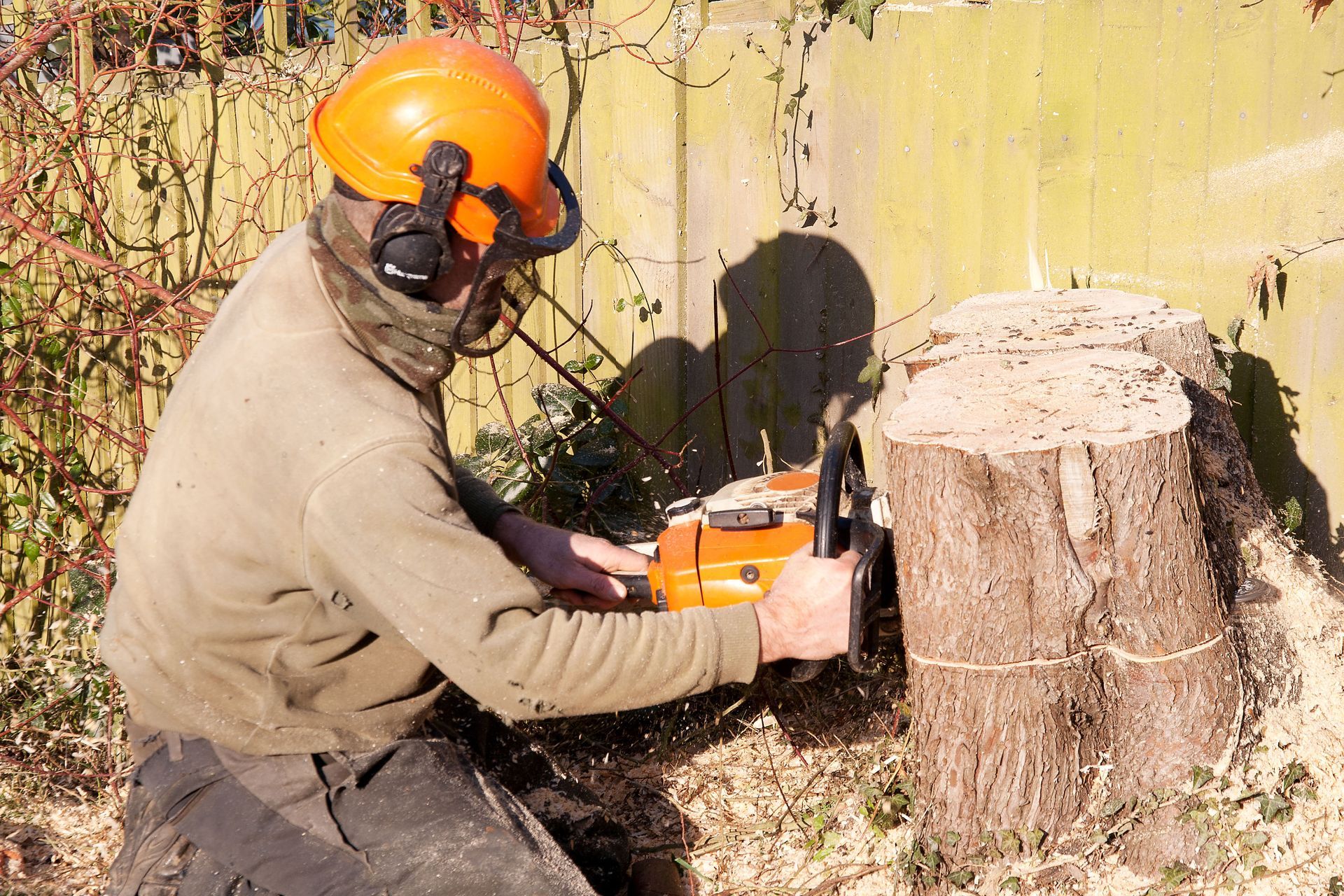
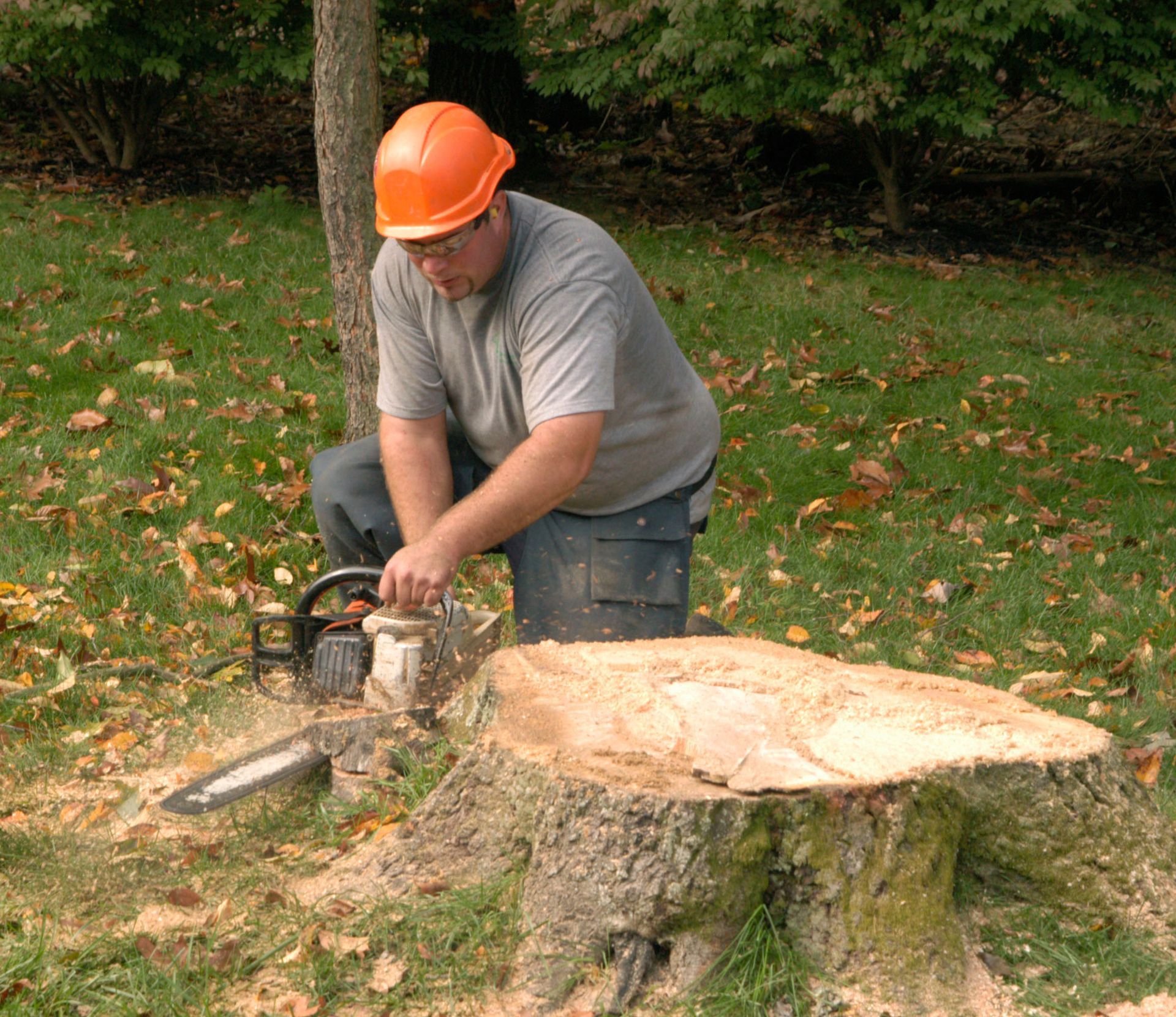
Head protection is a vital component of PPE for tree service workers, who face significant risks from falling objects and impacts. Helmets and hard hats are designed to absorb and redistribute the energy from such impacts, reducing the severity of head injuries. Consistent use of high-quality head protection is indispensable for every worker operating in this hazardous environment. Helmets are not merely a reactive measure but also a reassurance for workers as they conduct their operations. By providing essential head protection, helmets contribute to a reduction in workplace injuries and fatalities.
Modern helmets for tree workers incorporate advanced materials and design features tailored to enhance safety and comfort. Lightweight yet durable helmets equipped with chin straps and internal suspension systems offer optimal protection without hindering movement or inducing fatigue. Many helmets also include ventilation features that improve wearer comfort during extended use. Ensuring the correct fit and regular maintenance of helmets is an essential practice to maximize their protective qualities. By prioritizing head protection, tree services exemplify a proactive approach to worker safety.
Eye and Face Protection
Eye and face protection is indispensable in tree services, where workers regularly encounter flying debris, dust, and chemicals. Goggles and face shields protect against these hazards by forming a barrier that shields sensitive areas from harm. The importance of this protection is evident in various workplace scenarios, such as when chainsaws and wood chippers can project debris at high speeds. Without proper eye and face protection, workers are at risk of suffering severe injuries or losing their sight. PPE that provides comprehensive coverage and high-impact resistance is essential.
The development of eye and face PPE has advanced to address the specific needs of tree service workers. Modern protective goggles are designed to provide clear visibility while offering robust protection against impacts and UV rays. Face shields complement goggles by extending coverage to additional areas of the face and neck. Many models incorporate anti-fogging and scratch-resistant features to ensure clarity during work. By equipping workers with state-of-the-art eye and face protection, tree services can better safeguard their well-being and enhance operational efficiency.
Regular training on the correct use and maintenance of eye and face protection is crucial to maximize safety benefits. Workers should be educated on selecting the appropriate PPE based on specific tasks and environmental conditions. Regular cleaning and inspection of goggles and face shields are necessary to maintain their protective capabilities. Employers play a critical role in promoting these practices, ensuring that workers adopt a disciplined approach to PPE. By instilling these habits, organizations reinforce a safety-first mindset that permeates all aspects of their operations.
Hearing Protection
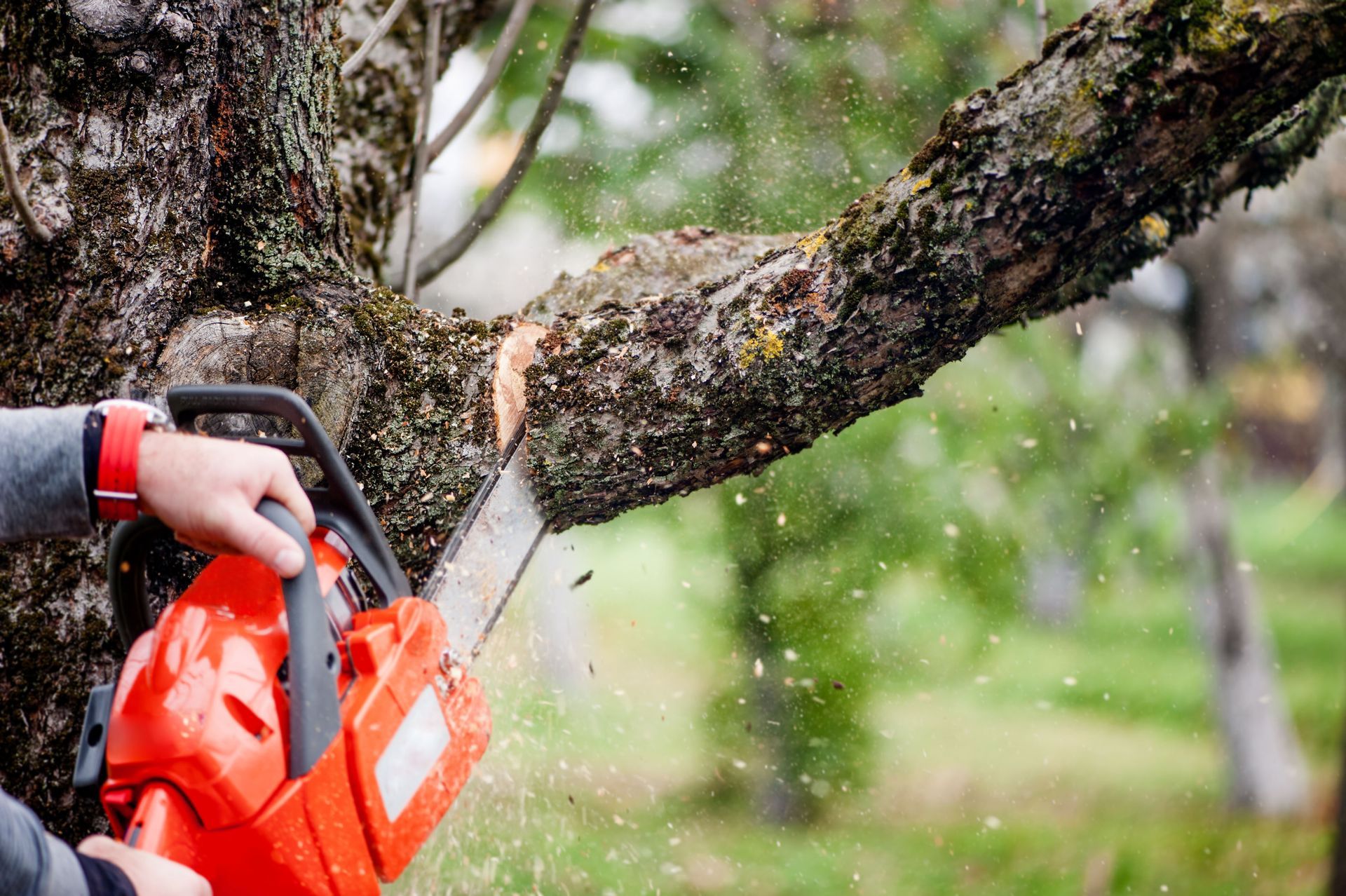
Hearing protection is an essential component of PPE in tree services, where noise pollution from machinery poses significant risks of hearing loss. Prolonged exposure to high-decibel equipment like chainsaws and wood chippers can lead to permanent auditory damage without appropriate countermeasures. Ear muffs and plugs provide vital protection by attenuating this noise, preserving the hearing health of workers. By integrating hearing protection into daily routines, tree services can significantly reduce exposure to harmful noise levels. Protecting hearing is an important aspect of ensuring the long-term health and productivity of employees.
Diverse options are available for hearing protection, enabling workers to select solutions that best fit their comfort and work requirements. Ear plugs are small and unobtrusive, providing a versatile solution for many workers, while ear muffs offer added protection for environments with consistently high noise levels. Innovations such as electronic ear muffs that filter harmful frequencies while amplifying safe sounds enhance operational safety and communication. These advancements reflect an ongoing commitment to improving the efficacy and comfort of hearing protection. By investing in high-quality auditory PPE, companies demonstrate a commitment to comprehensive worker safety.
Hand and Foot Safety
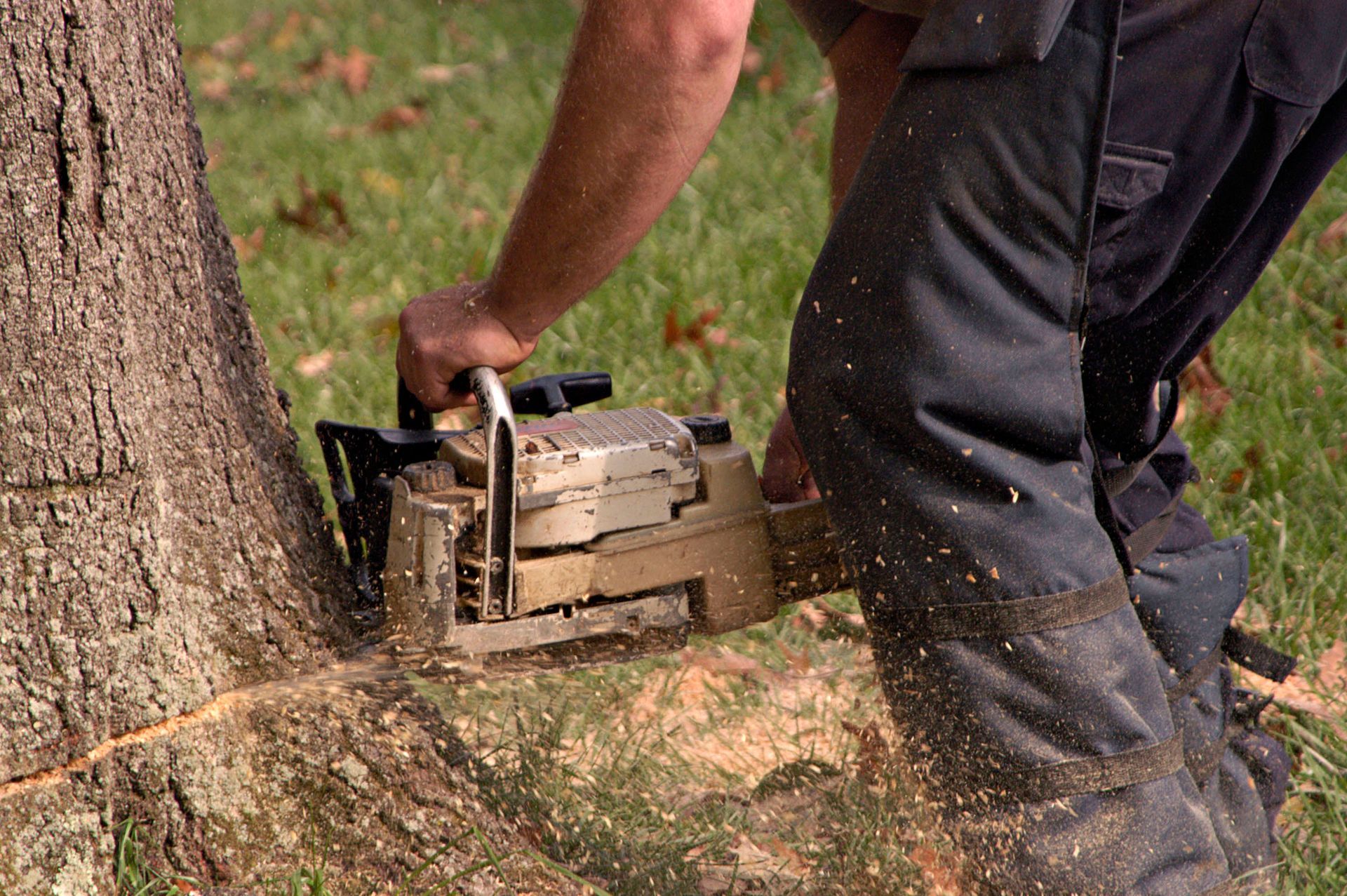
Hand and foot safety in tree services is paramount, given the physical demands and environmental threats faced daily. Protective gloves shield hands from cuts, punctures, and chemical exposure, while boots offer stability and protect feet from heavy impacts or slips. Together, these components of PPE form crucial barriers against some of the most common workplace injuries in the industry. For tree service workers, choosing the right combination of gloves and boots is essential for effective protection. Proper procurement and implementation of these safety measures ensures workers can perform their jobs safely and efficiently.
Modern safety gloves are designed to offer varying levels of protection while maintaining flexibility and dexterity. Options range from gloves with reinforced fingertips for handling sharp objects to heat-resistant models for dealing with high temperatures. Similarly, safety boots are available in steel toe, composite toe, and metatarsal guard variations to address different workplace scenarios. These advancements underscore a dedication to optimizing worker protection while maintaining functional performance. By providing the appropriate gloves and boots, tree services can significantly reduce the risk of hand and foot injuries.
The significance of hand and foot PPE is further emphasized during safety training and equipment familiarization sessions. Workers should be educated on the importance of selecting PPE that suits specific tasks and environments. They should also be made aware of the need for regular checks of their gloves and boots to ensure they remain in good condition. Companies play a critical role by promoting a culture of care in maintaining PPE and reporting any signs of wear or damage. Through these initiatives, tree services can foster a culture of safety that prioritizes hand and foot protection.
Harnesses and Climbing Equipment
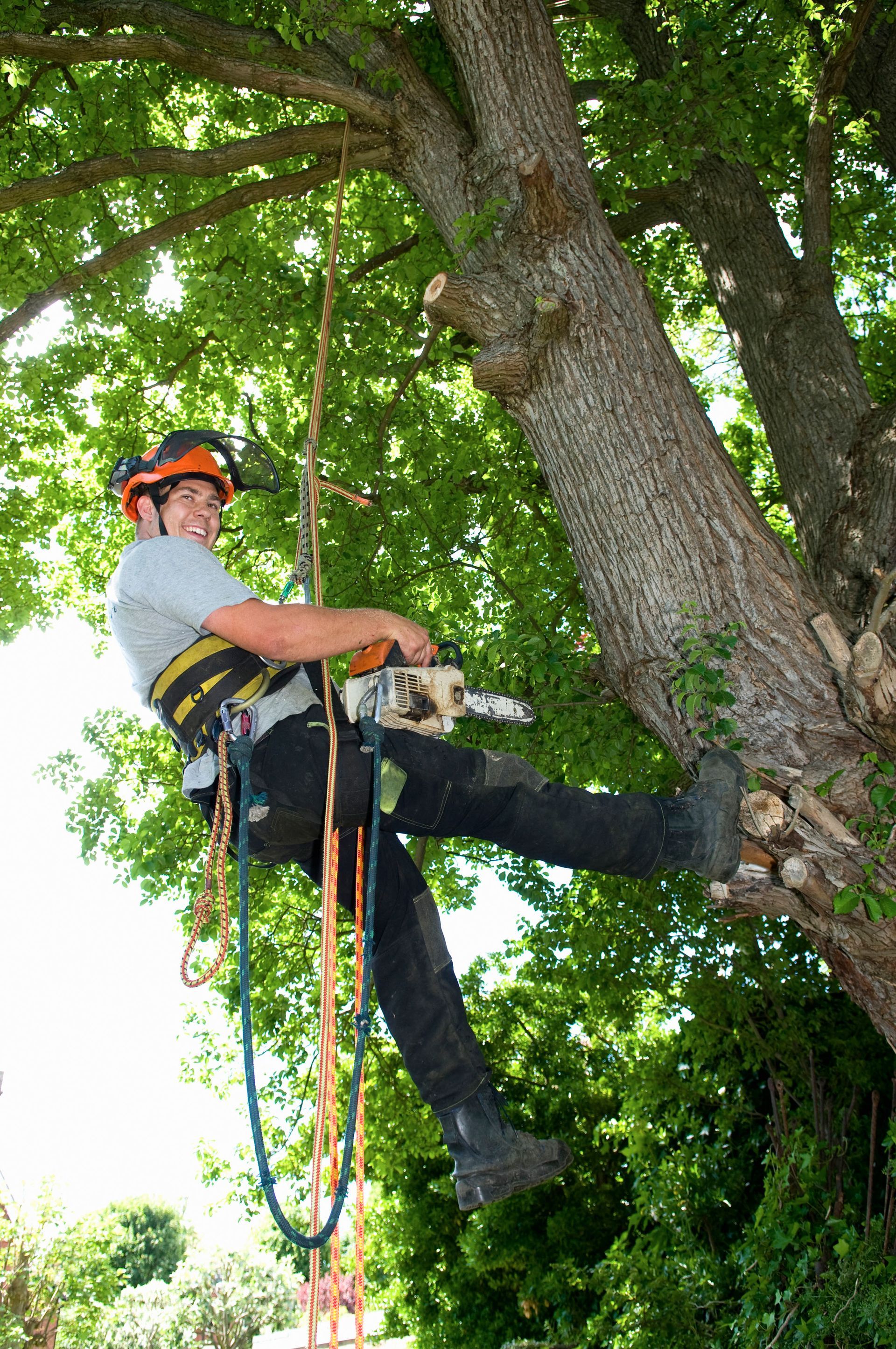
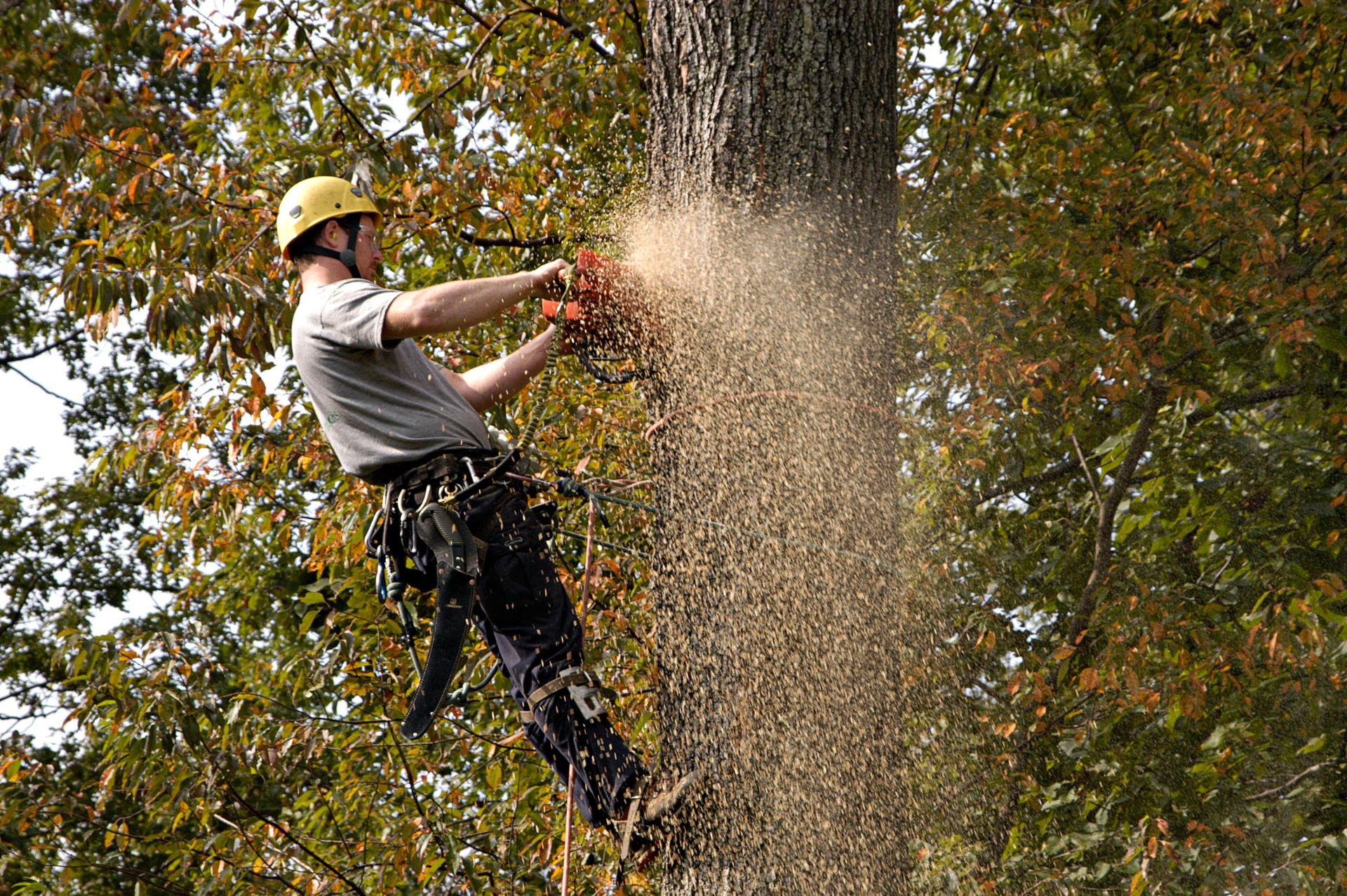
Harnesses and climbing equipment are indispensable components of PPE in tree services, given the significant risks associated with working at heights. Properly fitted harnesses provide essential protection against falls, ensuring that workers are securely anchored during tasks that require elevation. Climbers, ropes, and rigging devices must meet stringent safety standards to effectively mitigate the dangers of tree work. The strategic selection and testing of these items play a critical role in enhancing workplace safety. By implementing rigorous climbing PPE protocols, companies demonstrate a strong commitment to preserving worker safety at elevated work sites.
Innovations in harnesses and climbing equipment have substantially enhanced safety and comfort in tree services. Modern harnesses are constructed from materials offering high strength and durability while being lightweight enough to maintain worker mobility. Ergonomic designs reduce fatigue during prolonged use, while integrated features like tool attachments enhance task efficiency. The development of advanced rigging systems has also improved safety in complex tree service operations. These advancements enable companies to equip their teams with tools that maximize both safety and productivity.
PPE training for harnesses and climbing equipment is essential to ensure proper usage and compliance with safety protocols. Workers must be proficient in fitting, securing, and inspecting their harnesses to maintain full protection against falls. Regular drills and training sessions help reinforce these critical skills, ensuring that workers remain well-equipped to handle complex or emergency scenarios. By investing in thorough training, organizations can significantly reduce the incidence of height-related accidents. Effective safety programs underscore the organization's dedication to safeguarding its workforce in every workplace scenario.
In an industry where workers face daily exposure to serious hazards, personal protective equipment remains one of the most important safeguards in tree services. From helmets and eye protection to harnesses and climbing gear, each piece of PPE plays a direct role in reducing injuries, improving productivity, and supporting long-term worker well-being. When combined with ongoing safety training, regular equipment inspections, and a strong workplace safety culture, proper PPE helps professional tree services create safer job sites while maintaining compliance with industry standards. To learn more, reach out to the experts at Kelley Brothers Tree Service today!

Share On: