
10 Important Steps to Take When a Tree Falls On Your Property
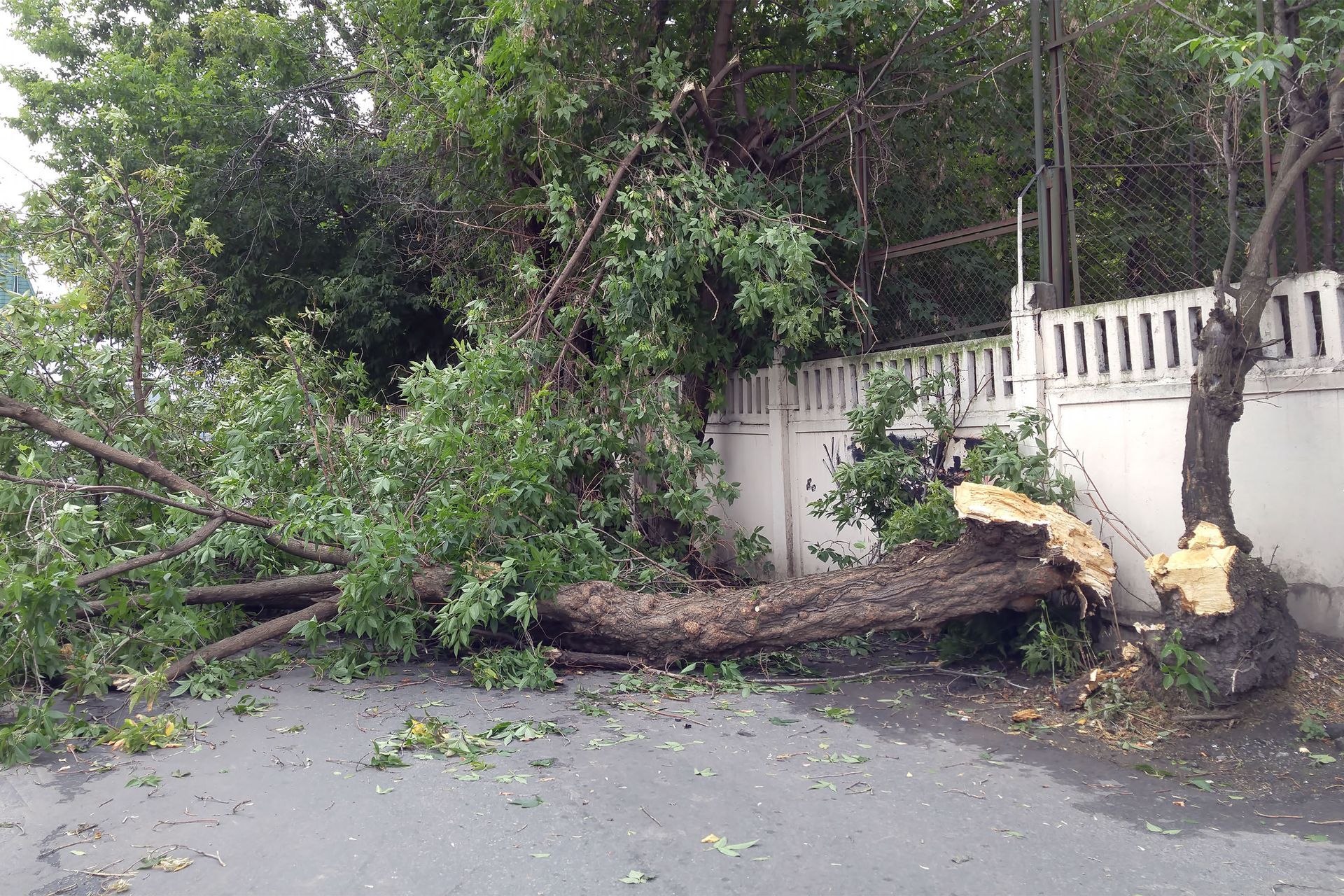
A sudden weather event or decaying trunk can cause severe property disruption without warning, leaving homeowners uncertain about how to address immediate safety concerns and structural damage. When a massive oak or pine crashes down on your yard, driveway, or roof, reacting with a calm, systematic plan prevents injuries and reduces financial stress. Navigating emergency repairs, insurance policies, and professional cleanups requires clear decisions during chaotic moments. Understanding appropriate protocol protects your family and preserves your home. According to conXpros, 70% of homeowners say they have never hired a tree service company before. This guide outlines necessary actions for handling unexpected timber damage efficiently.
1. Assessing the Immediate Hazards on the Scene
Safety must remain your main focus immediately following an emergency event involving heavy timber. Before stepping outside to evaluate property destruction, verify that everyone inside the residence is unharmed and clear of potential collapse zones. If the fallen trunk contacts power lines, stay far away from the area and contact local utility providers right away. Structural instability, sagging ceilings, dangling limbs, and leaking gas lines represent hidden hazards that warrant quick evacuations. Avoid walking directly under compromised branches or attempting to clear heavy limbs yourself. Staying patient until qualified professionals arrive ensures personal safety while preventing secondary injuries or further structural compromises.
2. Contacting Your Insurance Representative for Coverage Details
Prompt communication with your insurance provider expedites recovery efforts and simplifies reimbursement processing. Call your carrier to report the incident, describe structural impacts, and clarify policy specifics regarding emergency cleanup costs. Ask your representative about deductible requirements, temporary living allowances, and documentation standards necessary for filing a successful claim. Adjusters typically need comprehensive details before approving full payouts for structural restoration or yard clearing efforts. Clarify whether your provider recommends specific local contractors or if you can hire an independent tree removal service directly. Keeping accurate records of all policy interactions helps streamline negotiations and avoids unnecessary coverage disputes during rebuilding.
3. Documenting Property Damage From Multiple Angles
Thorough evidence collection provides the foundation for an accurate, hassle-free insurance claim process. Once you confirm the surrounding area is safe, take numerous clear, high-resolution photographs and videos of the fallen trunk, crushed structures, impacted vehicles, and surrounding landscaping. Capture wide shots showing overall property context along with close-up images detailing specific structural fractures or broken shingles. Avoid moving any debris or altering the scene until you complete this documentation phase thoroughly. These visual records demonstrate the full scope of destruction to insurance adjusters. Organized evidence prevents valuation disputes and ensures your claim reflects true structural repair costs.
4. Hiring a Certified Tree Removal Service Specialist
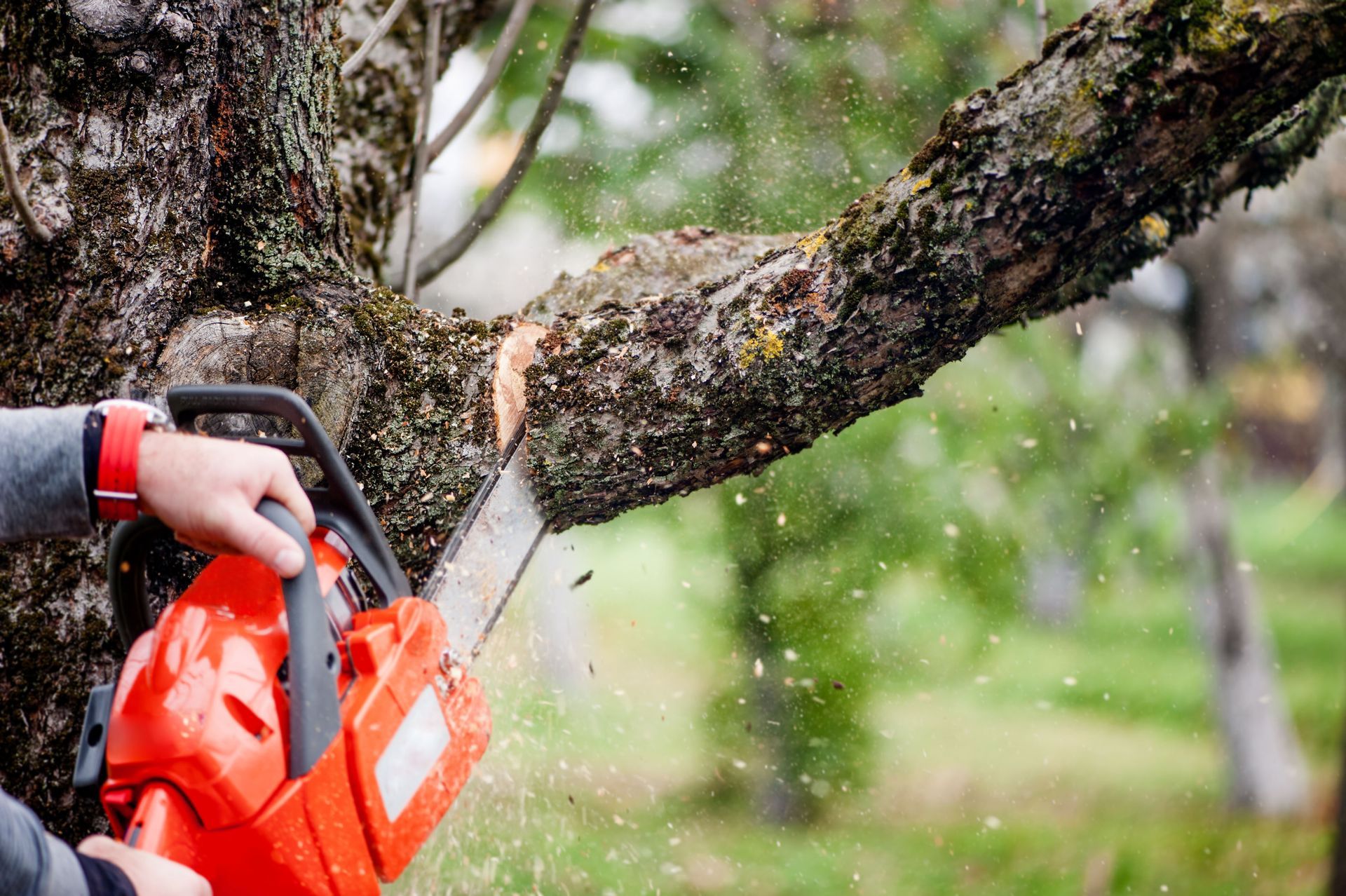
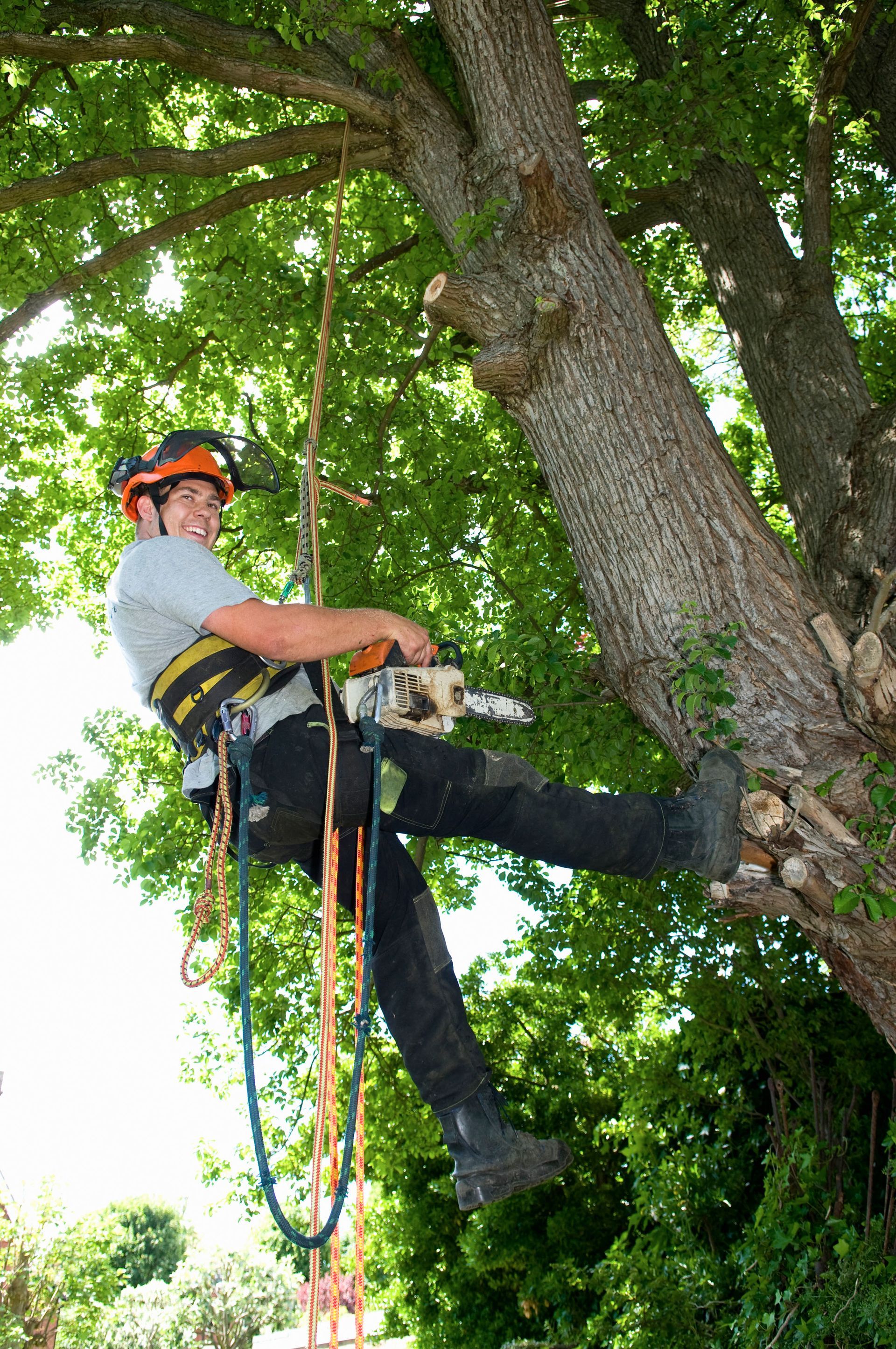
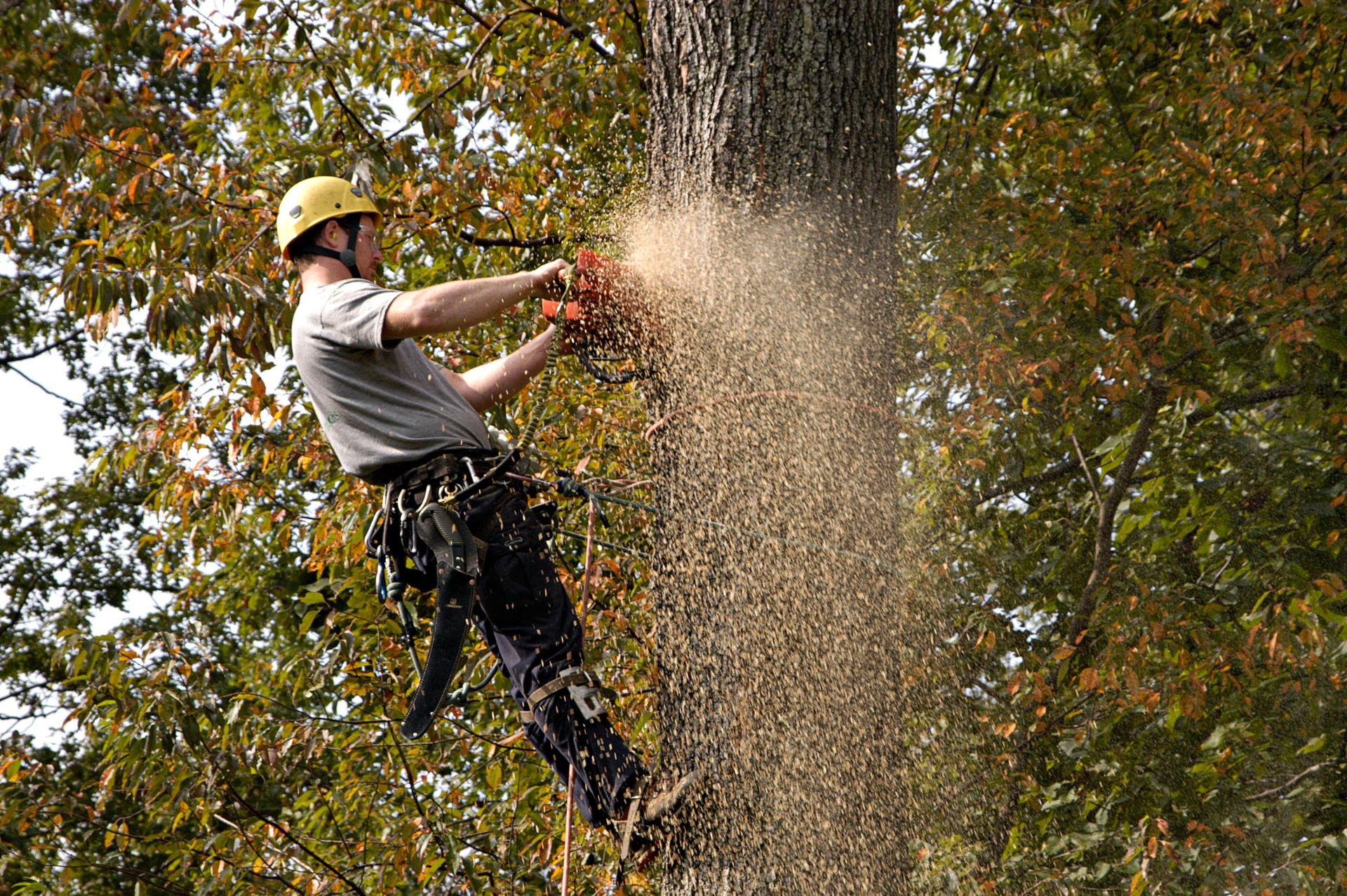
Selecting a qualified contractor is essential for clearing heavy timber safely without causing further structural harm. Contact a licensed, insured tree removal service to manage hazardous limbs, heavy trunks, and tangled canopy materials scattered across your yard. Verify that the company possesses proper liability coverage and workers' compensation insurance before signing service contracts. Ask potential contractors about their emergency response timelines, specialized machinery capabilities, and cleanup methods. Relying on an experienced tree removal service prevents dangerous DIY accidents and protects surrounding property from additional harm during crane or chainsaw operation. Professional crews possess technical expertise required for complex overhead extractions.
5. Securing Compromised Structures With Temporary Covers
Preventing secondary weather damage to your home demands prompt temporary stabilization measures following initial impacts. Unprotected roof punctures, shattered windows, and cracked siding allow rain or wind to cause severe interior water damage and mold growth. Contact emergency tarping specialists or ask your tree removal service if they offer temporary structural wrapping options. Placing heavy-duty tarps over exposed roof trusses shields living quarters from incoming precipitation until permanent repairs begin. Ensure installers secure tarps firmly without risking further roof collapse. Immediate stabilization limits interior structural deterioration, preserves personal items, and reduces overall restoration expenses listed in insurance estimates.
6. Scheduling Professional Repairs Through Structural Contractors
Restoring damaged roofs, gutters, siding, and framing requires skilled residential repair specialists once debris removal ends. Research licensed general contractors with positive community reviews and proven experience handling storm restoration projects. Obtain written, itemized estimates detailing material costs, labor fees, work schedules, and warranty coverage before work starts. Coordinate directly between your chosen repair crew and your insurance adjuster to align scope-of-work expectations with claim payouts. Skilled contractors fix foundational stress, replace compromised trusses, and restore structural integrity. Timely professional repairs prevent long-term environmental degradation and restore peace of mind regarding home durability and personal safety.
7. Removing Remaining Stumps and Root Systems Completely
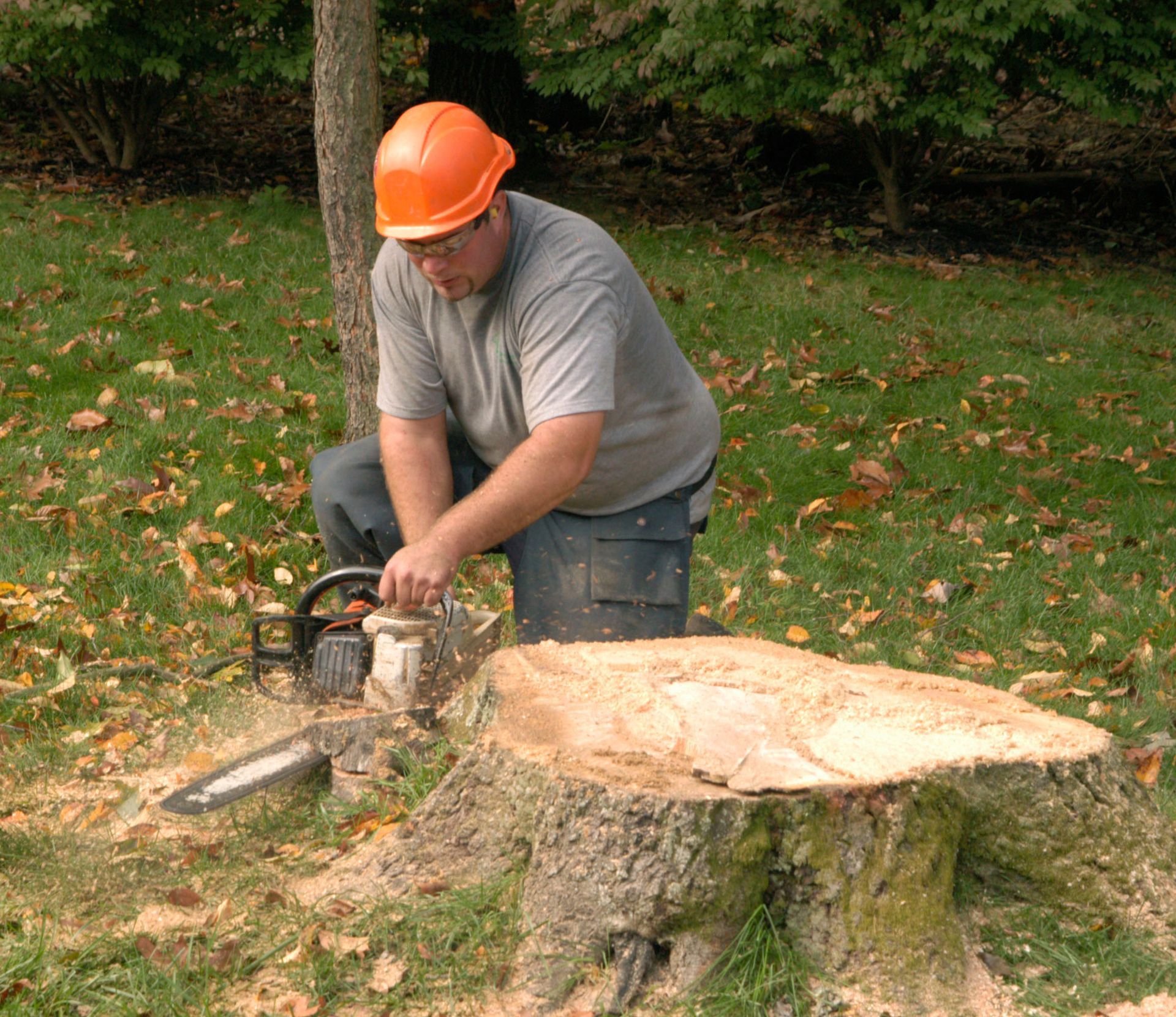
After clearing large canopy debris, addressing buried stump networks prevents future landscape hazards and pest infestations. Leaving subterranean roots to decay naturally creates soil sinkholes, attracts wood-boring insects, and obstructs future landscaping projects. Hiring an equipped tree removal service guarantees that subterranean wood mass gets ground down far below surface level. Specialized stump grinders reduce dense root crowns into useful mulch without disturbing adjacent property features or underground utility lines. Clearing underground remnants allows proper soil backfilling, fresh sod installation, or structural rebuilding. Completing total site clearing ensures your lawn remains level, visually appealing, and safe for recreational use.
8. Reviewing Surrounding Vegetation With Preventative Care
Preventing future property disasters requires evaluating remaining yard timber for subtle signs of disease, instability, or structural failure. Inspect surrounding trunks for bark decay, hollow cavity formations, severe lean angles, or dead canopy branches hanging near living spaces. Schedule an inspection with a certified arborist to evaluate root health and crown balance across your property. An arborist can identify compromised specimens early and recommend trimming, cabling, or proactive extractions. Partnering with a skilled tree removal service for preventative maintenance eliminates hazardous trees before severe weather strikes. Regular timber health audits protect residential structures, lower emergency expenses, and ensure long-term landscape safety.
9. Updating Landscape Plans for Long-Term Property Resilience
Rebuilding your yard after significant timber losses provides an ideal opportunity to redesign landscaping with storm resilience in mind. Select native tree species known for strong branch architecture, deep root growth, and high wind resistance when replacing lost vegetation. Avoid planting large-maturing species directly adjacent to residential foundations, overhead power lines, driveways, or roof eaves. Consult nursery experts or landscape architects regarding optimal planting distances and soil conditions for healthy root expansion. Thoughtful species selection and strategic positioning prevent future storm hazards while elevating curb appeal. Proactive landscape design ensures your outdoor environment remains beautiful, manageable, and safe for decades.
10. Mitigating Future Risks Through Routine Site Inspections
Sustained property safety relies on establishing regular timber maintenance and inspection routines throughout every season. Perform visual walk-throughs after severe windstorms, heavy snowfall, or prolonged rain to check for freshly cracked limbs, shifted root plates, or structural leaning. Keep canopy branches pruned back at least ten feet from rooflines, chimneys, and siding to minimize friction damage and pest access. When large limbs grow dangerously close to home structures, engage a professional tree removal service to trim branches safely. Continuous attention to timber health reduces unexpected structural failures. Consistent preventative care preserves real estate value while providing lasting safety for your household.
Facing a fallen tree requires prompt action, practical safety protocols, and informed decisions to protect your household and restore your property. From assessing initial safety hazards to partnering with certified professionals, each systematic choice minimizes risk and reduces financial strain. Documenting destruction thoroughly, securing exposed structures, and coordinating clear communication with insurance adjusters streamlines recovery after sudden weather events. Furthermore, evaluating remaining landscaping prevents recurring timber failures down the road. By taking deliberate, organized steps and relying on qualified specialists, you can clear dangerous debris, rebuild structural damage, and maintain a safe, resilient home environment for years to come.
Are you seeking a professional tree removal company in the Pittsfield, MA area? Look no further than the experts at Kelley Brothers Tree Service! Contact us today to schedule an appointment for your tree services.

Share On: