
4 Safety Precautions That Professional Tree Removers Take
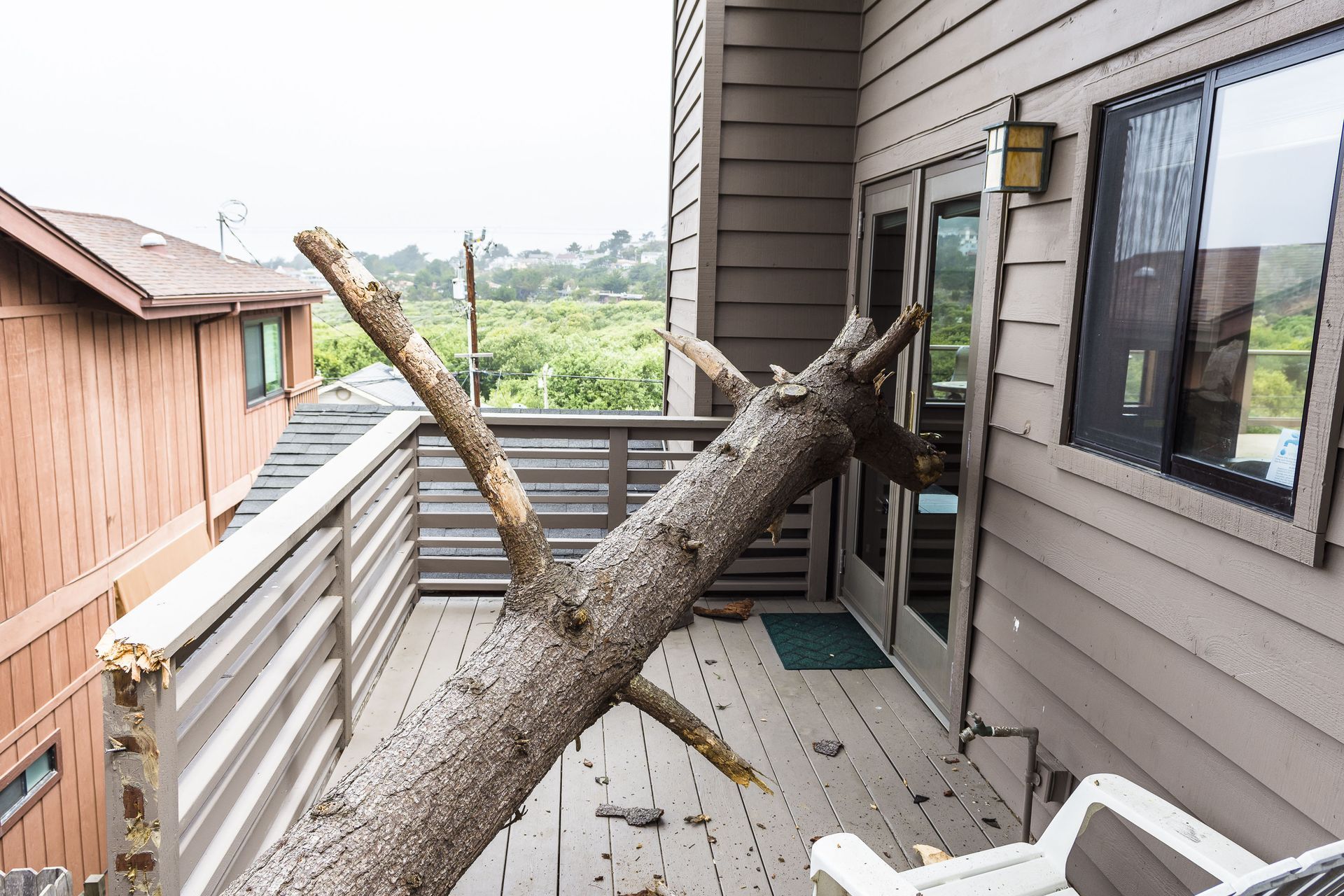
Maintaining a healthy landscape often requires removing dead or damaged timber. While it's often viewed as a straightforward weekend chore, taking down massive timber poses significant hazards to people and property. Property owners frequently underestimate the physical risks involved when they decide to hire amateurs instead of qualified tree removers. A minor miscalculation can lead to devastating structural damage or severe injuries.
Professional tree removers undergo rigorous training to mitigate these risks. They implement strict operational protocols to protect their crew, surrounding buildings, and the local ecosystem. By prioritizing hazard prevention at every stage, these crews ensure a smooth and controlled extraction process. Exploring their standard operating procedures provides valuable insight into their daily routines and safety focus.
1. Conducting Detailed Project Planning
Every successful operation begins with a comprehensive site assessment long before any actual cutting occurs. Crews arrive at the property to evaluate the terrain, structural integrity of the wood, and potential obstacles in the immediate vicinity. They look for signs of internal rot, structural weakness, or disease that might cause unpredictable splintering during the felling process. Identifying these hidden dangers early allows the team to develop a customized extraction strategy.
During this evaluation phase, personnel also map out a clear drop zone and establish secure escape routes. They factor in variables like wind direction, ground slope, and proximity to power lines or adjacent structures. If a trunk leans precariously toward a house, the team must calculate the precise angle needed to coax it in the opposite direction. This level of foresight prevents unexpected shifts in momentum that could jeopardize safety.
According to IBISWorld, there are over 30,360 tree trimming businesses providing services in the U.S. With so many companies operating across the country, standardization of safety protocols becomes crucial. Because heavy machinery creates deafening noise, verbal communication is often impossible for experienced tree removers on the job site. Crews rely on established hand signals and built-in radio helmets instead.
Before starting the physical labor, the lead supervisor conducts a thorough briefing with all team members. Everyone on site must understand their specific responsibilities and the sequence of events. This vital collaborative planning approach guarantees that everyone moves in sync, minimizing the chances of miscommunication or operational errors during the high-stakes phases of the removal.
2. Utilizing State-of-the-Art Equipment
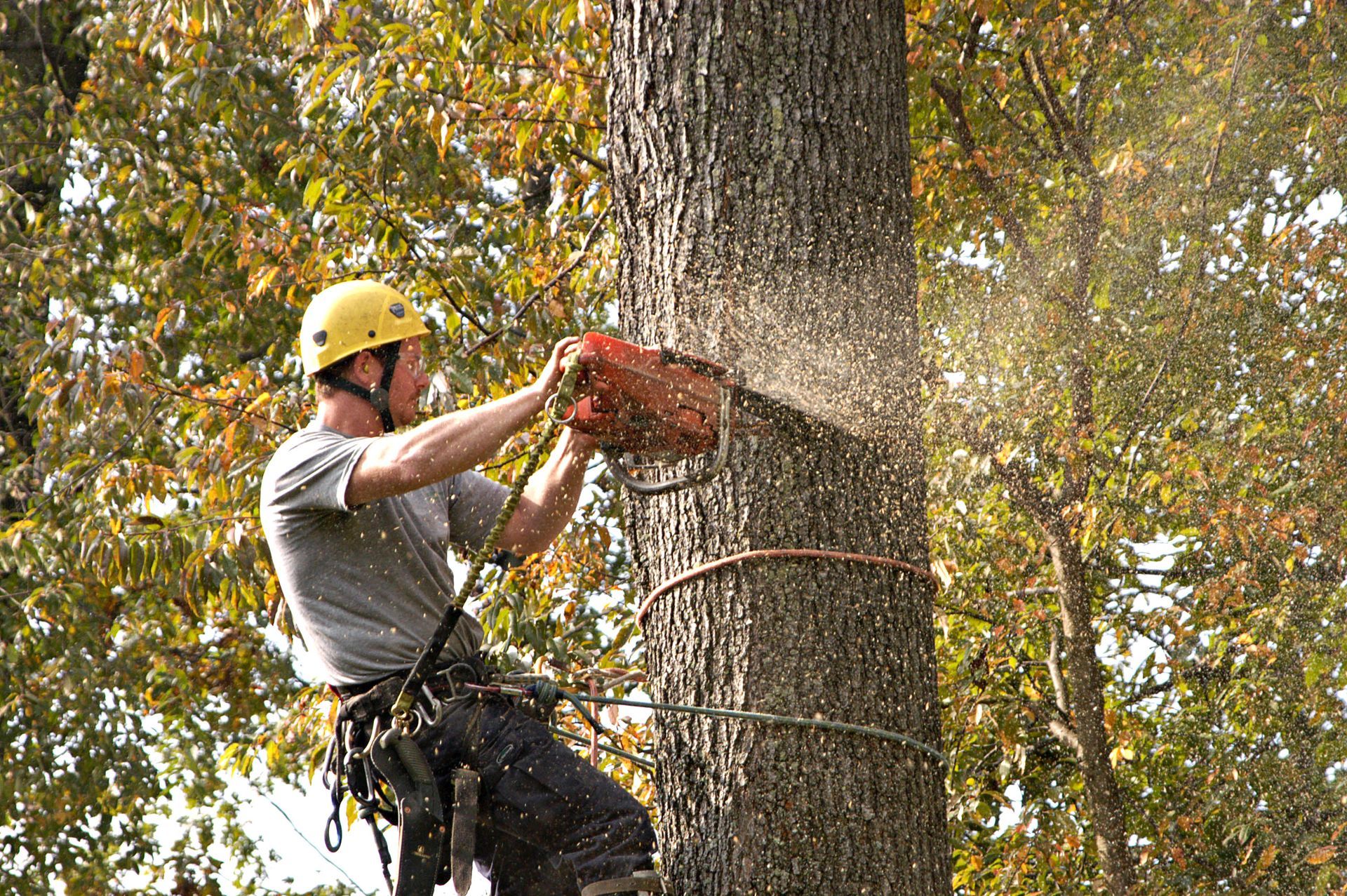
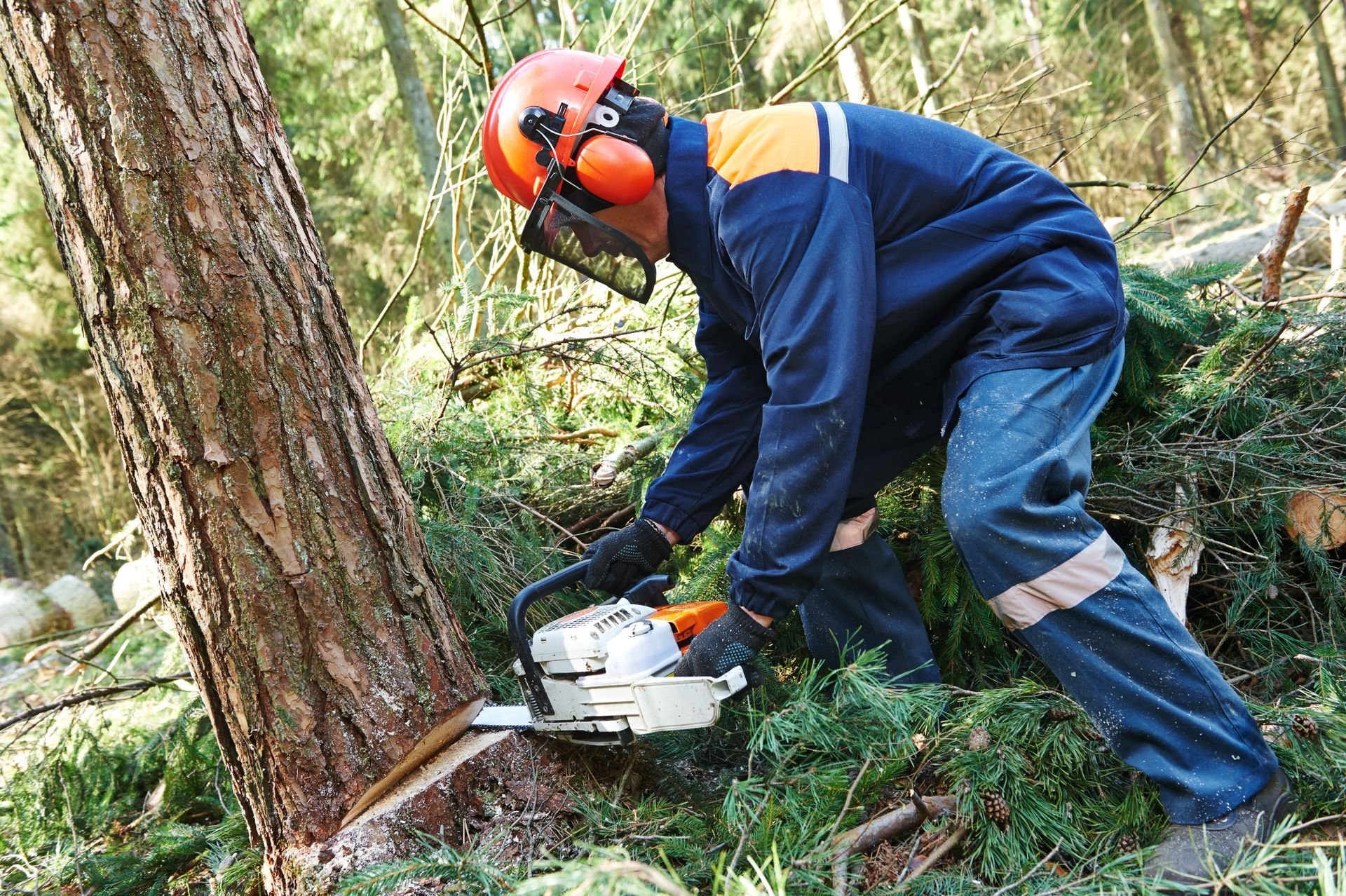
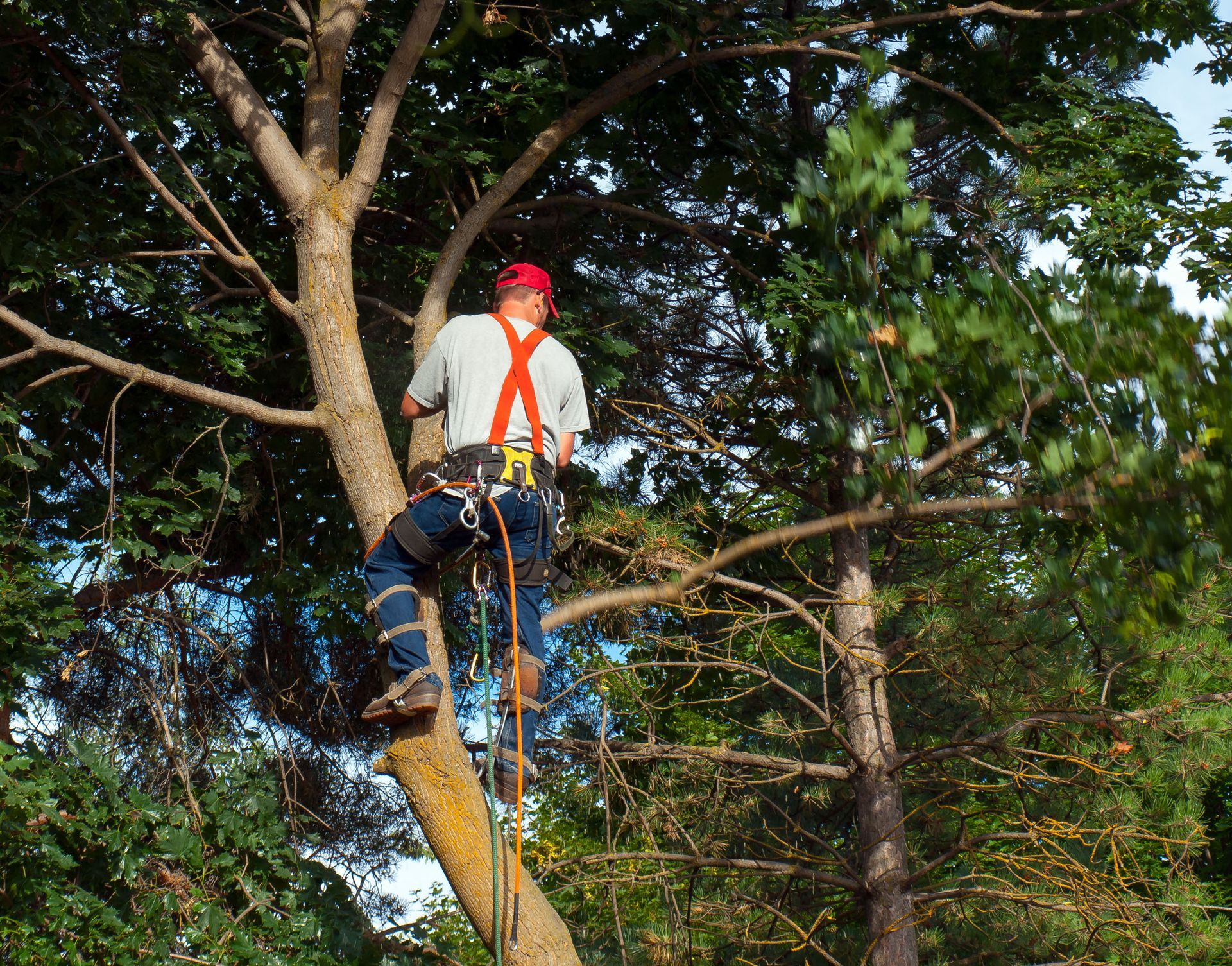
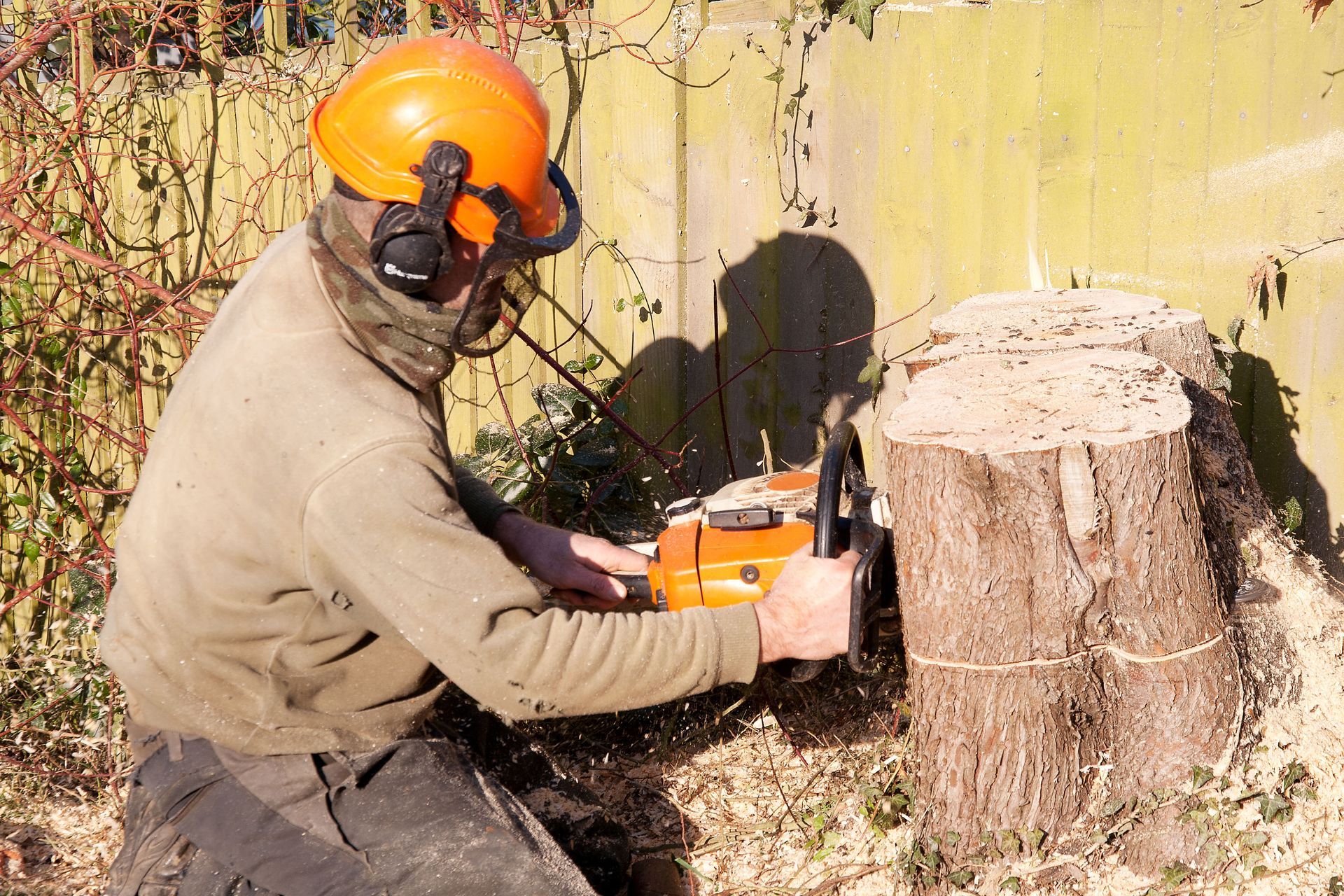
Professional crews rely on specialized gear, rather than generic landscaping tools. Personal protective equipment serves as the first line of defense against severe injuries. Every worker wears heavy-duty helmets equipped with face shields and hearing protection to guard against falling debris and loud engine noise. They also wear Kevlar chaps designed to jam a chainsaw chain upon contact, potentially saving a limb during an accidental slip.
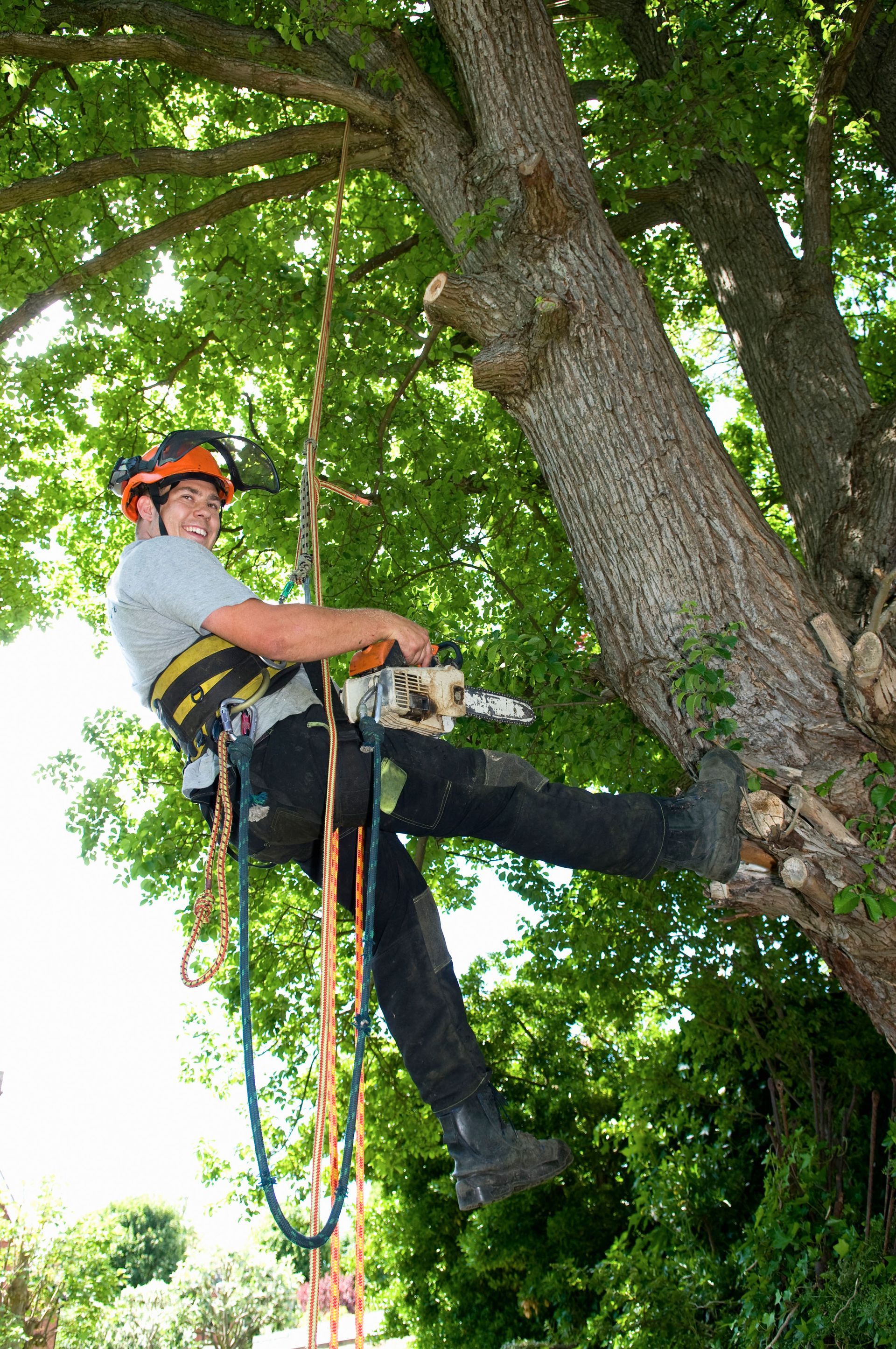
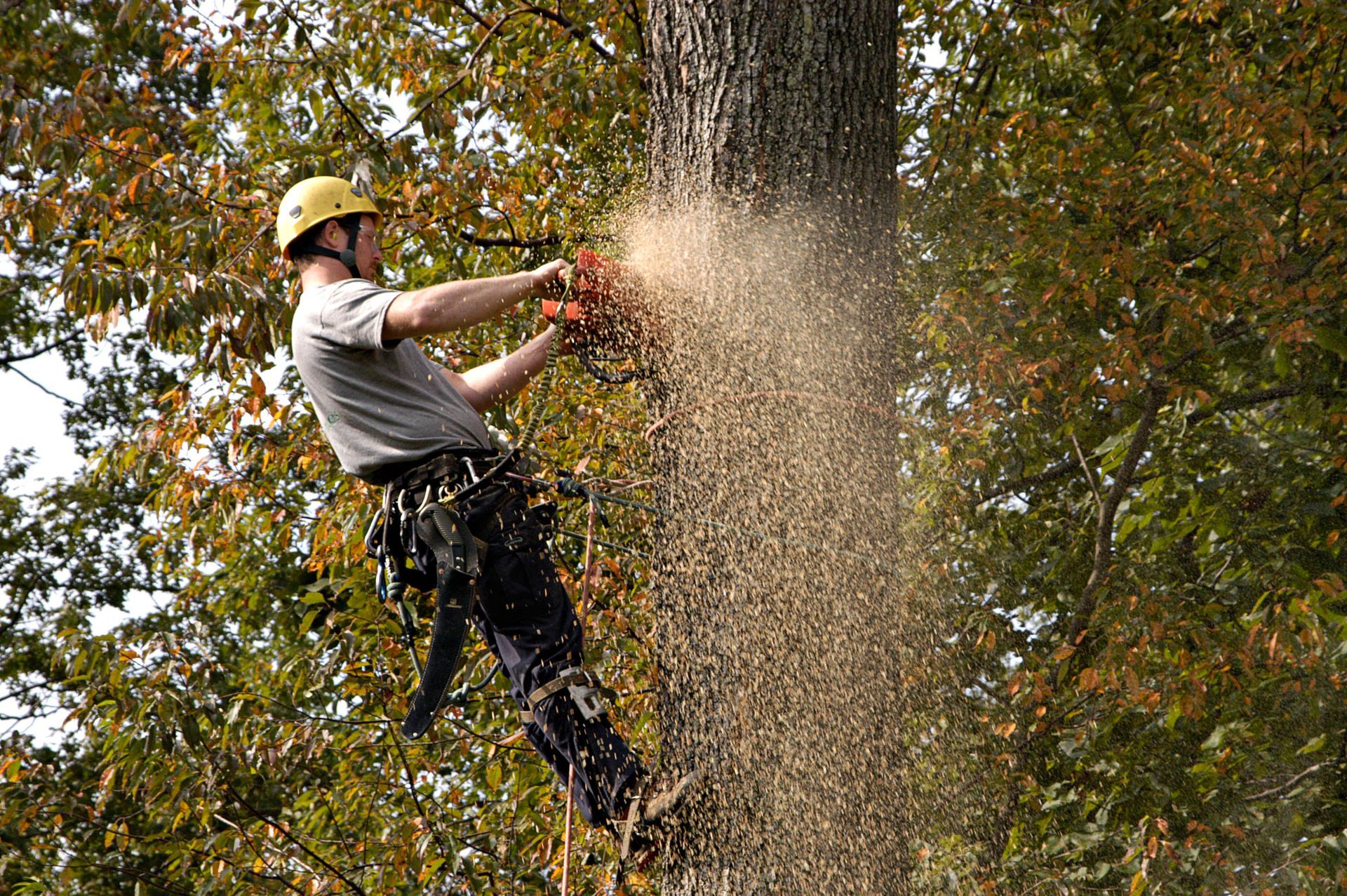
Beyond personal protection, specialized crews utilize advanced rigging systems to lower heavy limbs to the ground slowly. Instead of simply cutting a branch and letting it freefall, they employ a complex network of ropes, pulleys, and friction devices. This controlled lowering technique prevents heavy wood from gouging the lawn or bouncing unpredictably into nearby structures. By manipulating the tension on the ropes, the ground crew guides each piece downward securely.
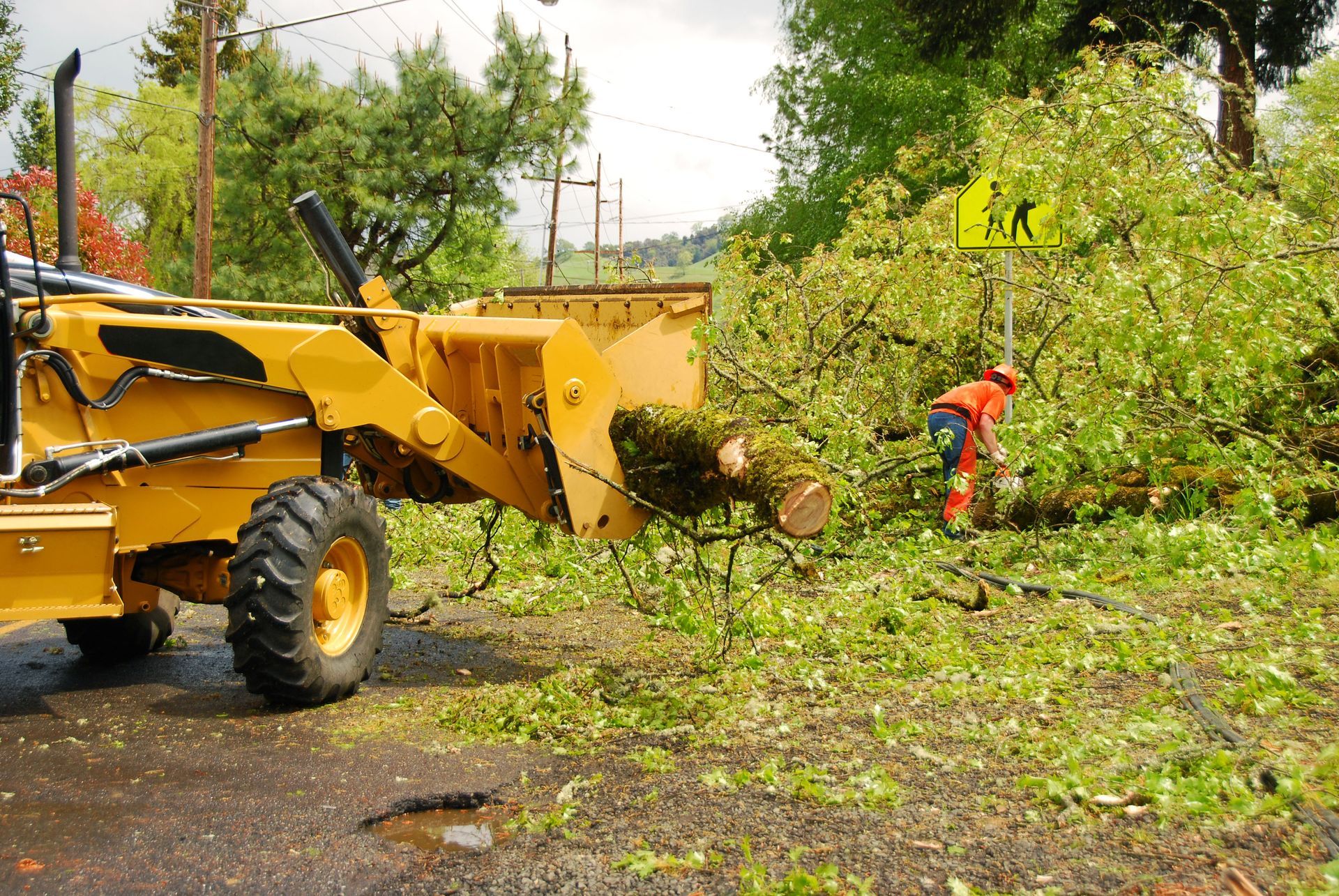
Mechanized lifts and cranes also play a vital role in modern extraction projects for tree removers working in tight spaces. When a trunk's too unstable to climb, crews bring in heavy machinery to lift sections straight up and over houses. Using a crane means a climber doesn't have to be in a precarious position. The operator works in tandem with the cutting crew, securing a section before cutting.
Maintaining this equipment is a daily priority for professional teams. Workers inspect their climbing harnesses, carabiners, and ropes for any signs of fraying or stress before every single shift. Retiring compromised gear immediately ensures nobody's relying on faulty equipment when suspended high above the ground.
3. Maintaining Strict Industry Certifications
The complexity of this line of work demands continuous education and adherence to national safety standards. Capable professionals pursue certifications through recognized professional organizations to stay updated on the latest techniques. These credentialing programs require that workers be tested on safe rigging practices and emergency response procedures. Earning these credentials demonstrates a profound commitment to operational excellence and overall worksite security for every client they serve.
Maintaining these qualifications involves mandatory continuing education credits throughout the year. Safety protocols evolve as engineers design stronger equipment and researchers learn more about wood physics. Workers regularly attend informative seminars and practical workshops to refine their skills and correct bad habits. This dedication to lifelong learning prevents complacency, a common cause of workplace accidents across the industry today.
First aid and aerial rescue training represent mandatory components of these certification programs. If a climber sustains an injury or suffers a medical emergency while suspended in the canopy, the ground crew must know how to retrieve them safely and swiftly. Teams practice these rescue scenarios frequently, ensuring they can execute the maneuvers under extreme stress without risking further harm to the injured worker. Diligent preparation remains their top priority constantly.
4. Carrying Comprehensive Insurance Coverage
A robust insurance policy serves as the ultimate safety net for both the crew and the property owner. Professional teams carry extensive liability coverage specifically tailored for the hazards of their daily operations. If a massive branch unexpectedly swings and damages a roof, this policy covers the financial burden of the repairs. Operating without this crucial safeguard exposes everyone involved to severe financial risks and potential legal liabilities.
Workers' compensation insurance plays an equally vital role in an organization's overall safety strategy. Even cautious tree removers can suffer injuries despite their meticulous preparations, given the physical demands and inherent dangers of the job. This coverage ensures that an injured employee receives appropriate medical care and financial support during their recovery. It protects the property owner from being held liable for workplace accidents occurring on their land.
Before signing contracts, diligent property owners always verify the active status of these insurance policies. Legitimate crews provide certificates of insurance without hesitation and encourage clients to contact their carrier for verification. This transparency gives clients peace of mind and confirms that the company is taking its professional responsibilities seriously. Skimping on insurance is a red flag indicating they aren't taking standard industry precautions seriously.
Extracting dead or hazardous timber demands a combination of strategic planning, specialized gear, and unwavering discipline. From the initial site survey to the final cleanup, every action taken by the crew focuses on minimizing risk. By adhering to strict communication protocols and investing in premium equipment, these professionals manage to perform highly dangerous tasks with remarkable consistency and impressive efficiency. Their comprehensive approach leaves no room for careless mistakes.
Extensive training and solid insurance coverage show that these crews take your safety seriously. When you see tree removers tackling a big job in your neighborhood, you might finally notice all the behind-the-scenes planning they do. Instead of a dangerous mess, taking down a large oak becomes a calm and controlled operation.
When you're ready to hire professional tree removers for your landscape project, contact our seasoned team at Kelley Brothers Tree Service to schedule a comprehensive property assessment. We look forward to providing the expert care and precision needed to keep your outdoor spaces safe and beautiful.
Share On: