
Debunking 3 Common Myths About Tree Removal
Trees are an integral part of our natural environment and urban landscapes, providing oxygen, shade, and habitat for wildlife. Because of their vital ecological role, a common misconception has taken root: that removing a tree is always an environmental tragedy. In reality, tree care and management are far more complex than simple preservation. From misconceptions about environmental impact to the hidden dangers of hands-on DIY approaches, widespread myths often prevent property owners from making informed choices. Understanding the nuances of tree removal is essential for maintaining both ecological balance and public safety.
Myth 1: Tree Removal Is Always Harmful to the Environment
Understanding the Environmental Impact
Tree removal is often perceived as inherently harmful to the environment. It's crucial to consider the context in which trees are removed, as sometimes removal is necessary for ecosystem balance. For instance, an invasive species may disrupt local flora and fauna, necessitating removal. Moreover, environmental management practices often involve tree removal as part of broader conservation strategies. Therefore, it's essential to weigh the pros and cons in each specific scenario.
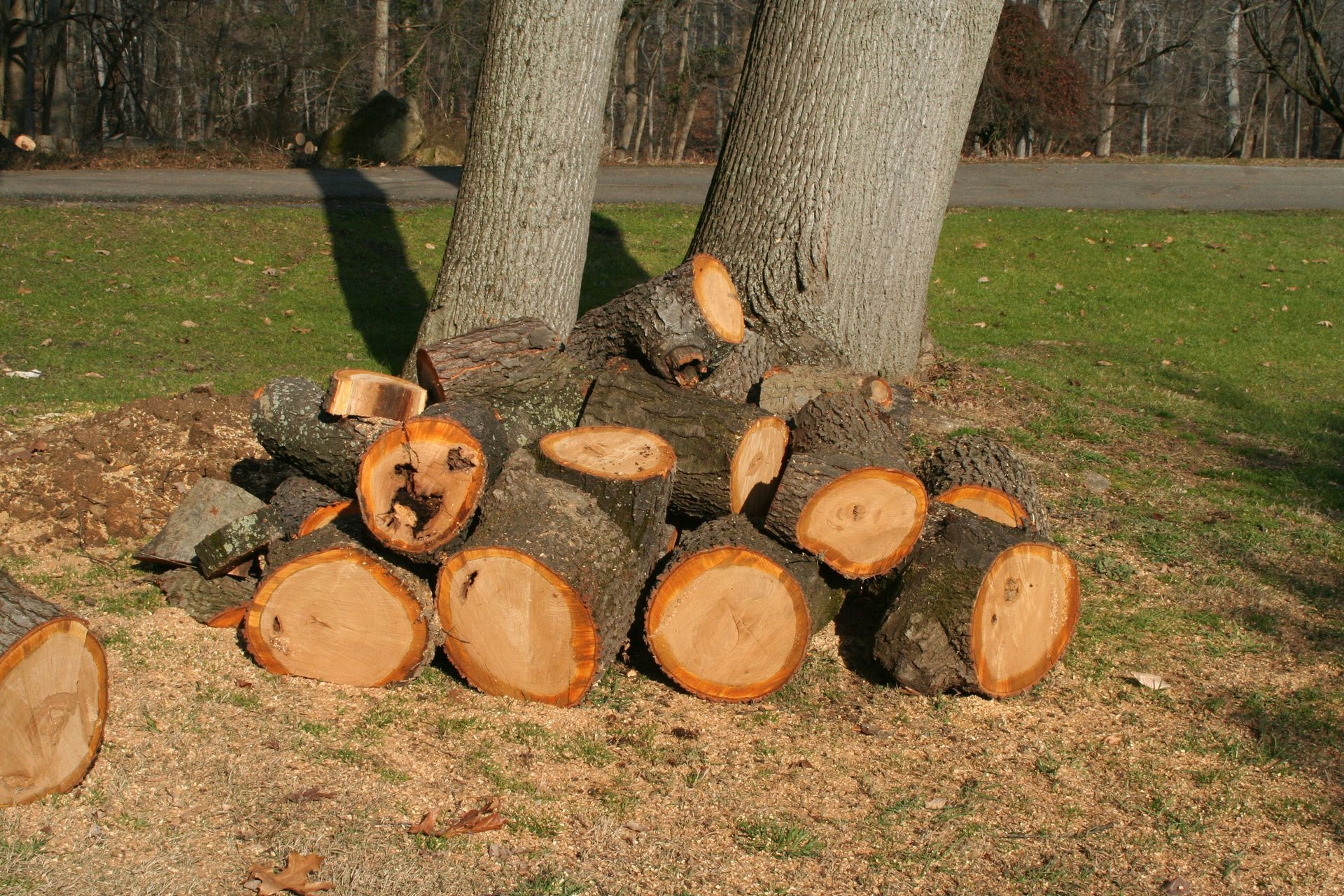
On a larger scale, while 42 million trees are cut down every day, according to TheRoundup, not all of these activities lead to negative environmental consequences. Responsible tree management involves assessing which trees are beneficial to the ecosystem and which might pose a threat. Urban areas often require tree removal to maintain safety and infrastructure. It's vital to replace removed trees with native species to ensure biodiversity is maintained. The key lies in strategic planning and implementation.
The Importance of Responsible Tree Management
Responsible tree management is imperative to mitigate the negative impacts often attributed to tree removal. It includes understanding local ordinances and acquiring necessary permits before proceeding with removal. Regulations are in place to ensure that removal is justified and executed sustainably. Certified arborists factor ecological variables into their assessments before any removal operation. By balancing the need for removal with environmental stewardship, we can protect our natural landscapes.
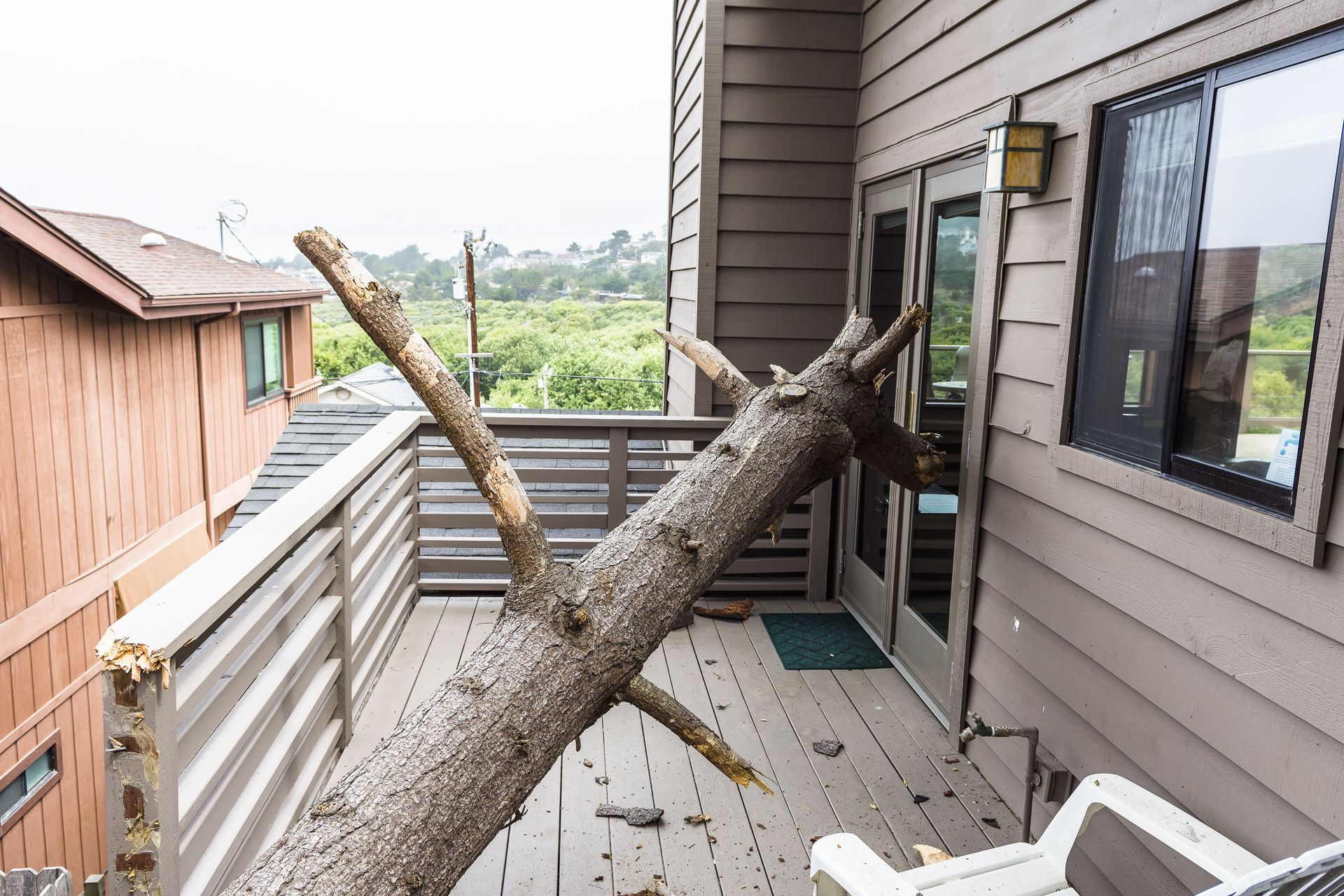
Well-planned tree management considers both the environmental advantages and the human safety aspect. Trees in deteriorating health near habitation can be a hazard during storms or high winds. Responsible removal of such trees prevents property damage and personal injuries. However, replanting efforts are crucial to restore and support local ecosystems. This cyclical approach to tree management reflects eco-conscious practices.
Tree Removal That Benefits Ecosystems
Tree removal can at times be beneficial for the health and sustainability of an ecosystem. Diseased trees, if left unchecked, can introduce pests and pathogens that might spread to healthier trees. Removing these problematic trees halts this process, acting as a preventive measure for forest health. In fire-prone areas, strategic removal of certain trees reduces the risk of large wildfires, thus preserving other parts of the ecosystem. It's an approach rooted in ecological foresight.
Properly assessed and executed tree removal can regenerate barren landscapes. For instance, removes non-native species that compete with local ones, thereby restoring native biodiversity. Removal can also enhance understory conditions by improving light penetration and nutrient availability. This creates more robust conditions for native plants to thrive. Such ecological interventions can significantly improve ecosystem health over time.
Myth 2: Any Tree Can Be Removed Without Professional Help
Risks of DIY Tree Removal
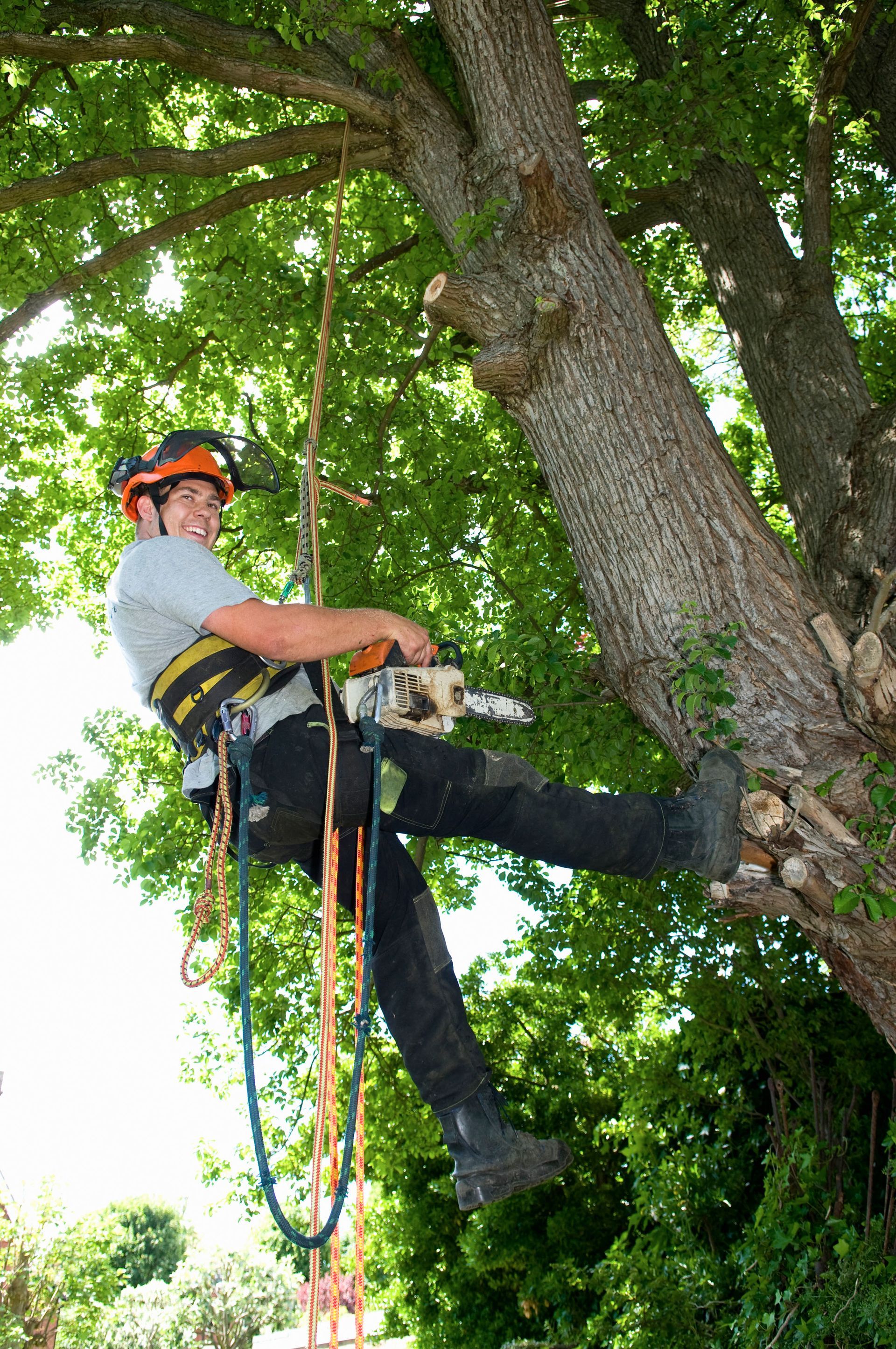
Many homeowners assume that tree removal is a straightforward task that they can perform themselves. However, DIY tree removal poses significant risks, both in terms of physical safety and potential property damage. Trees can weigh several tons, and improperly handling them can lead to injuries or fatalities. Additionally, attempting to remove a tree without proper knowledge or equipment can result in damage to homes, vehicles, and power lines. Professional removal ensures these risks are mitigated through trained expertise and specialized equipment.
The Role of Professional Arborists
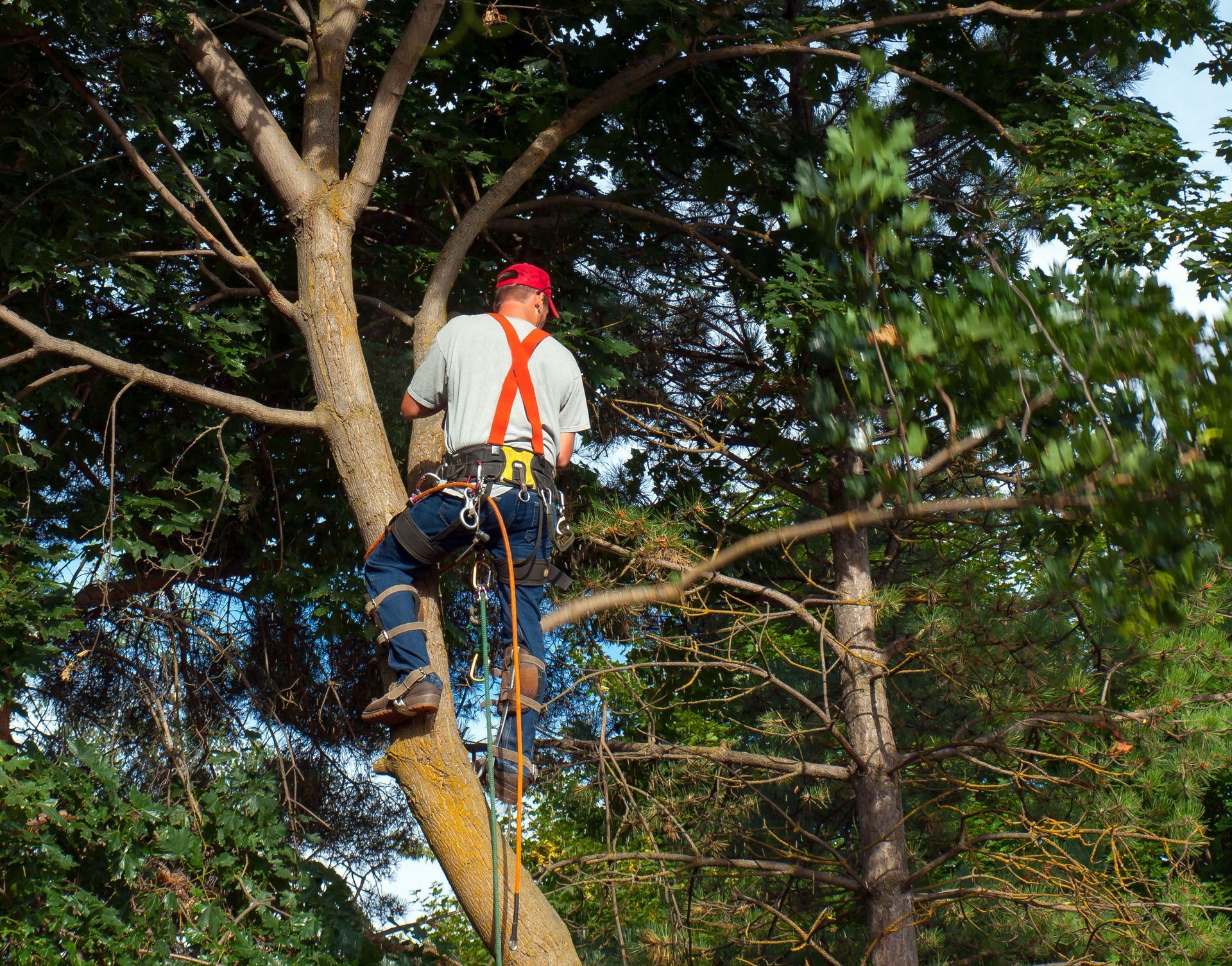
Professional arborists are experts trained in the science of tree care, planting, maintenance, and removal. They bring specialized knowledge that ensures trees are removed safely and sustainably. Arborists can assess a tree's condition, weighing factors such as species, health, and environmental impact before proceeding. Their expertise ensures that removal is not only safe for humans but also minimally invasive to the environment. This level of assurance is critical in maintaining ecological balance while addressing human needs.
Potential Hazards and Safety Concerns
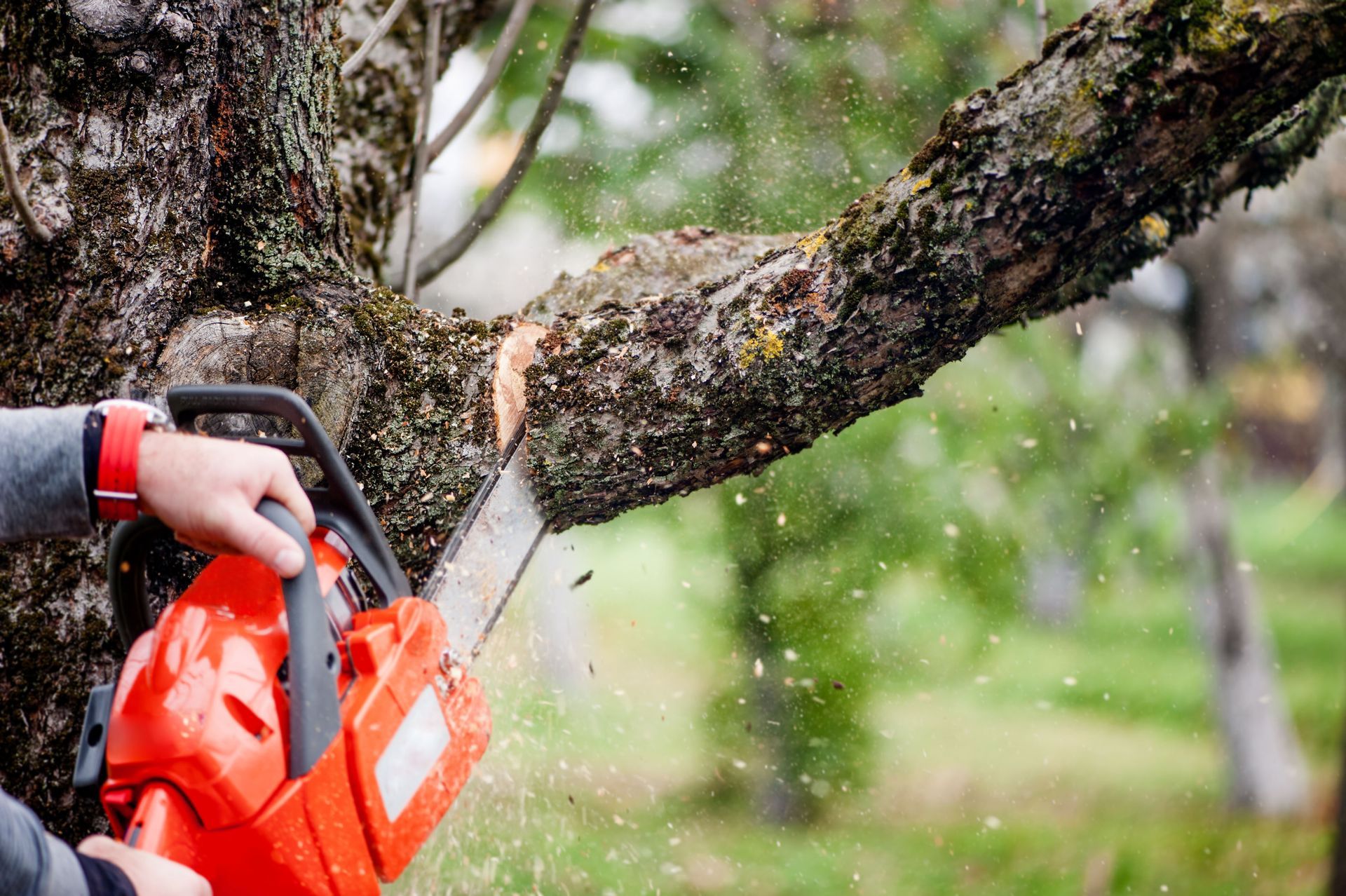
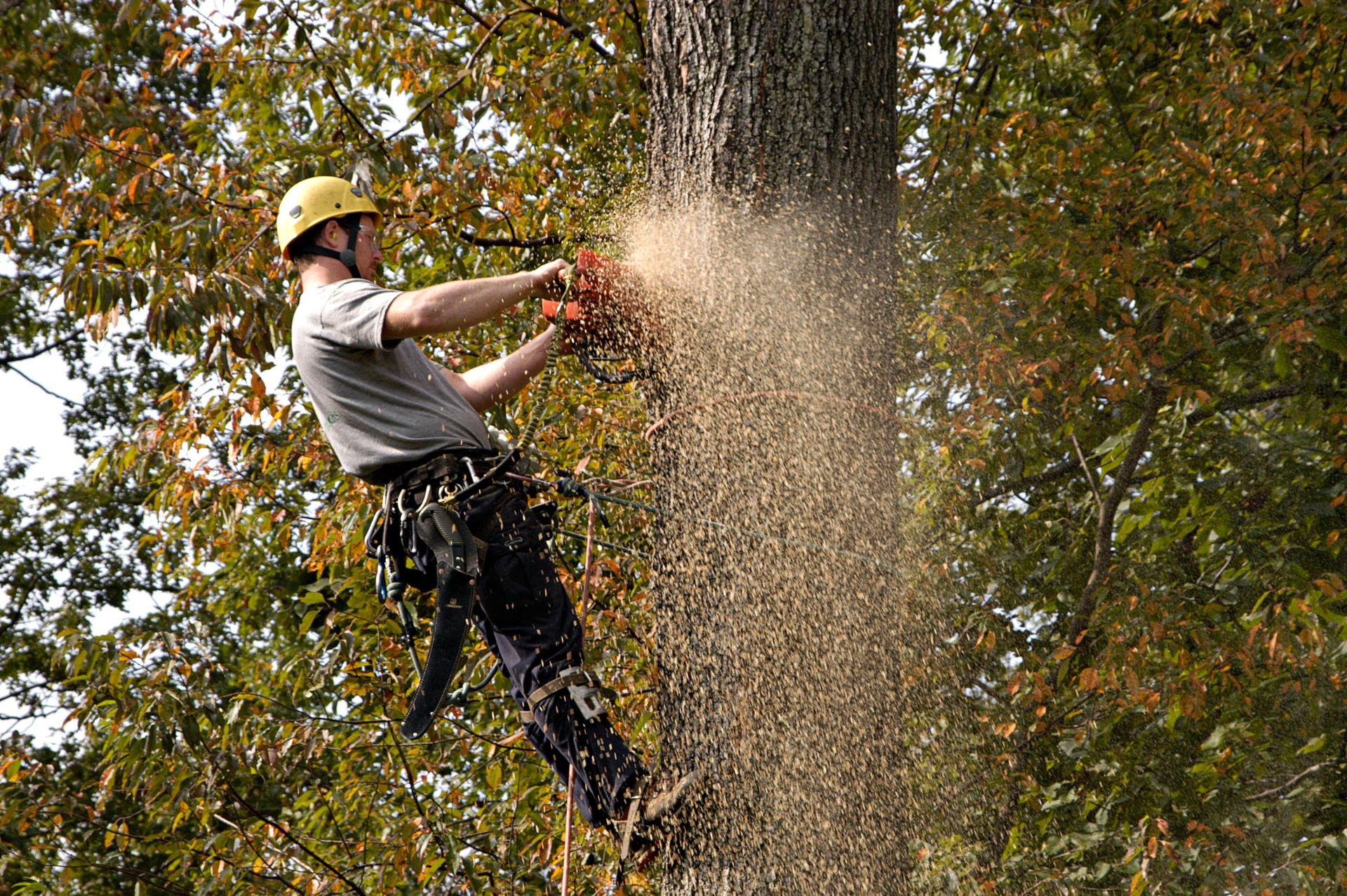
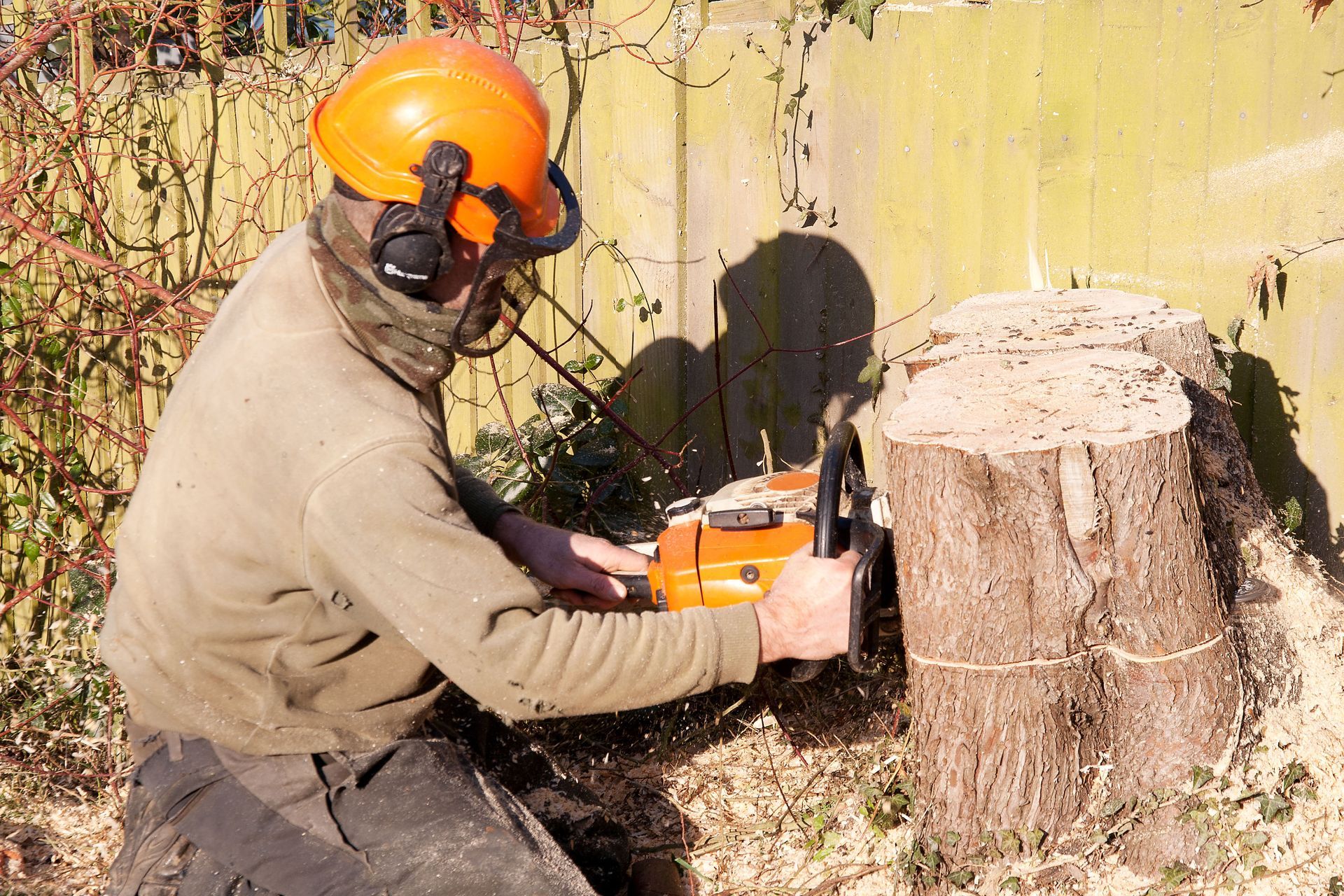
Tree removal without professional help introduces several potential hazards that must be carefully considered. The physical demands of handling heavy limbs and trunks often exceed the capabilities of untrained individuals, leading to strain injuries or accidents. Furthermore, homeowners may not be equipped to deal with utility line entanglements, posing risks of electrocution. Proper safety gear, like helmets, gloves, and safety harnesses, is essential, and professionals come trained and equipped with these. Engaging experts minimizes these risks and ensures safer and more efficient removal.
Assessment and Planning by Experts
Expert assessment and planning are vital to successful tree removal, offering a comprehensive overview of the operation's environmental and practical implications. Professionals begin with a thorough evaluation of the tree species, health, and location to tailor the removal method accordingly. Each detail, from soil type to proximity to structures, informs the best approach for safe removal. This precise planning optimally balances efficiency, safety, and environmental preservation. Such comprehensive assessments are hardly achievable in DIY scenarios.
Cost Implications of Professional vs. DIY
Cost considerations often lead individuals to contemplate DIY tree removal as a cheaper alternative. However, the long-term implications of DIY removal can be more costly due to potential accidents and inadequate outcomes. Professional services include specialized care, prevention of property damage, and alignment with legal compliance, thus providing better value. Additionally, professionals factor in the complete lifecycle cost, including restoration and replanting, which DIY attempts may overlook. Therefore, while upfront costs may seem higher, professional services often prove more cost-effective in the long run.
Myth 3: Tree Removal Is a One-Size-Fits-All Process
Different Techniques for Different Types of Trees
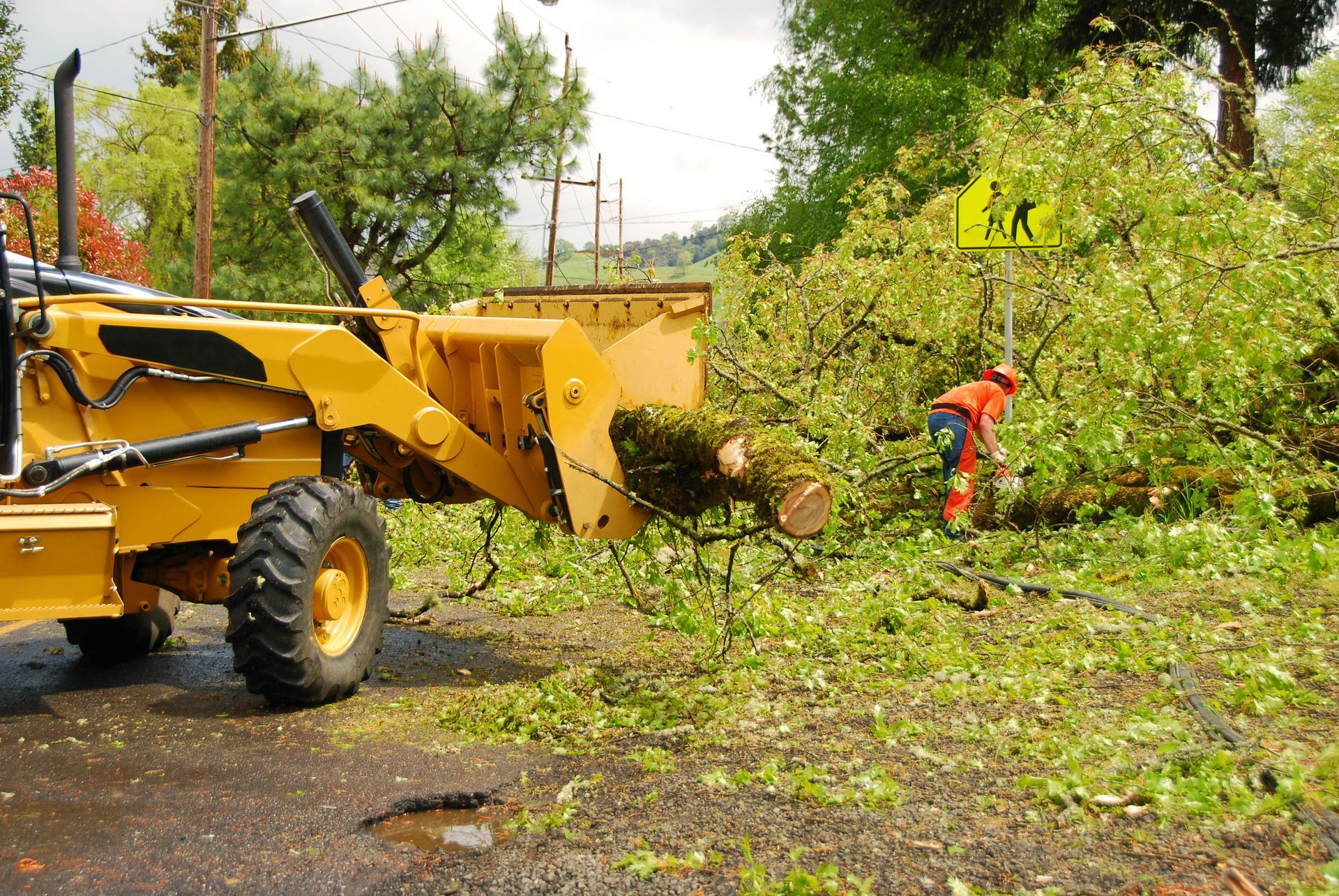
Contrary to the belief that tree removal can be universally applied, various tree species require unique removal techniques. The size, species, and health of a tree significantly influence the method of removal. For certain trees, sectioning the tree from the top down is necessary to avoid damage to surrounding property. Other trees may require heavyweight machinery for secure removal due to their height or trunk thickness. Professional arborists are trained in different techniques, tailoring their approach based on the specific characteristics of each tree.
Factors That Influence Tree Removal Methods
The decision-making process for tree removal encompasses several influencing factors beyond just the tree's physical characteristics. Proximity to buildings and infrastructure often dictates specific techniques to prevent unintended damage. In urban settings, confined spaces require precise maneuvering and often necessitate lifting equipment. Arborists also account for pedestrian access, utility lines, and landscaping features when planning removal. Addressing these factors ensures that the selected approach minimizes risk and disruption.
The Importance of Customized Solutions
Customized solutions in tree removal are paramount in ensuring effective, safe, and environmentally considerate practices. Every landscape presents unique challenges that require bespoke strategies to navigate successfully. The customization process involves assessing each specific element such as tree age, placement, species, and surrounding structures. By tailoring strategies to address these unique variables, arborists ensure optimal outcomes. This personalized approach mitigates risks and improves overall project efficacy.
Tree removal is far from a simple or destructive act; it's a nuanced aspect of responsible environmental stewardship and property management. Dispelling common myths reveals that removal can actually benefit ecosystems when done strategically, that DIY attempts carry far too much risk to justify the perceived cost savings, and that every tree requires a customized, highly technical approach. By relying on the certified arborists at Kelley Brothers Tree Service, you can ensure that your choices support long-term ecosystem health. Reach out to us today to get started!
Share On: