
Why You Shouldn't Delay Tree Removal
Trees add beauty, shade, and environmental benefits to residential and commercial properties, but they can also become serious liabilities when they are damaged, diseased, or structurally unsound. While it may be tempting to postpone tree removal because the problem does not appear urgent, waiting too long can create unnecessary risks for people, buildings, and the surrounding landscape. Addressing hazardous trees promptly helps reduce the likelihood of accidents, protects property, and can even save money over time.
Recognizing when a tree has become unsafe is an important part of responsible property maintenance. Whether the issue stems from storm damage, disease, or old age, taking action before the situation worsens can prevent avoidable complications. According to Lawnstarter, the ideal time for tree removal is from late winter to early spring because trees are dormant, making the process more efficient while minimizing disruption to surrounding vegetation.
What Are the Signs Indicating the Need for Tree Removal?
Understanding the warning signs of a declining tree allows property owners to make informed decisions before problems become emergencies. While some issues are easy to spot, others develop gradually and should not be ignored.
Large dead branches throughout the canopy are among the most obvious indicators that a tree's health is deteriorating. Dead limbs can fall unexpectedly, especially during high winds or heavy snowfall, creating hazards for anyone nearby. If a significant portion of the canopy has stopped producing leaves while neighboring trees remain healthy, the tree may be nearing the end of its life.
Visible trunk damage also deserves immediate attention. Deep cracks, large cavities, peeling bark, or extensive decay often weaken a tree's structural integrity. In some cases, fungal growth near the base of the trunk signals internal decay that is not visible from the outside.
The condition of the root system is equally important. Exposed roots that appear damaged, soil heaving around the base, or a noticeable lean that develops suddenly can indicate instability. While some trees naturally grow at an angle, a new or worsening lean often suggests that the roots are failing to provide adequate support.
When these warning signs are present, delaying tree removal only increases the chances of failure during severe weather or other stressful conditions.
How Does Delaying Tree Removal Impact Property Safety?
Property safety is one of the primary reasons homeowners choose to schedule tree removal before conditions worsen. An unstable tree may appear secure for months or even years before suddenly failing during a storm, making it difficult to predict exactly when it will become dangerous.
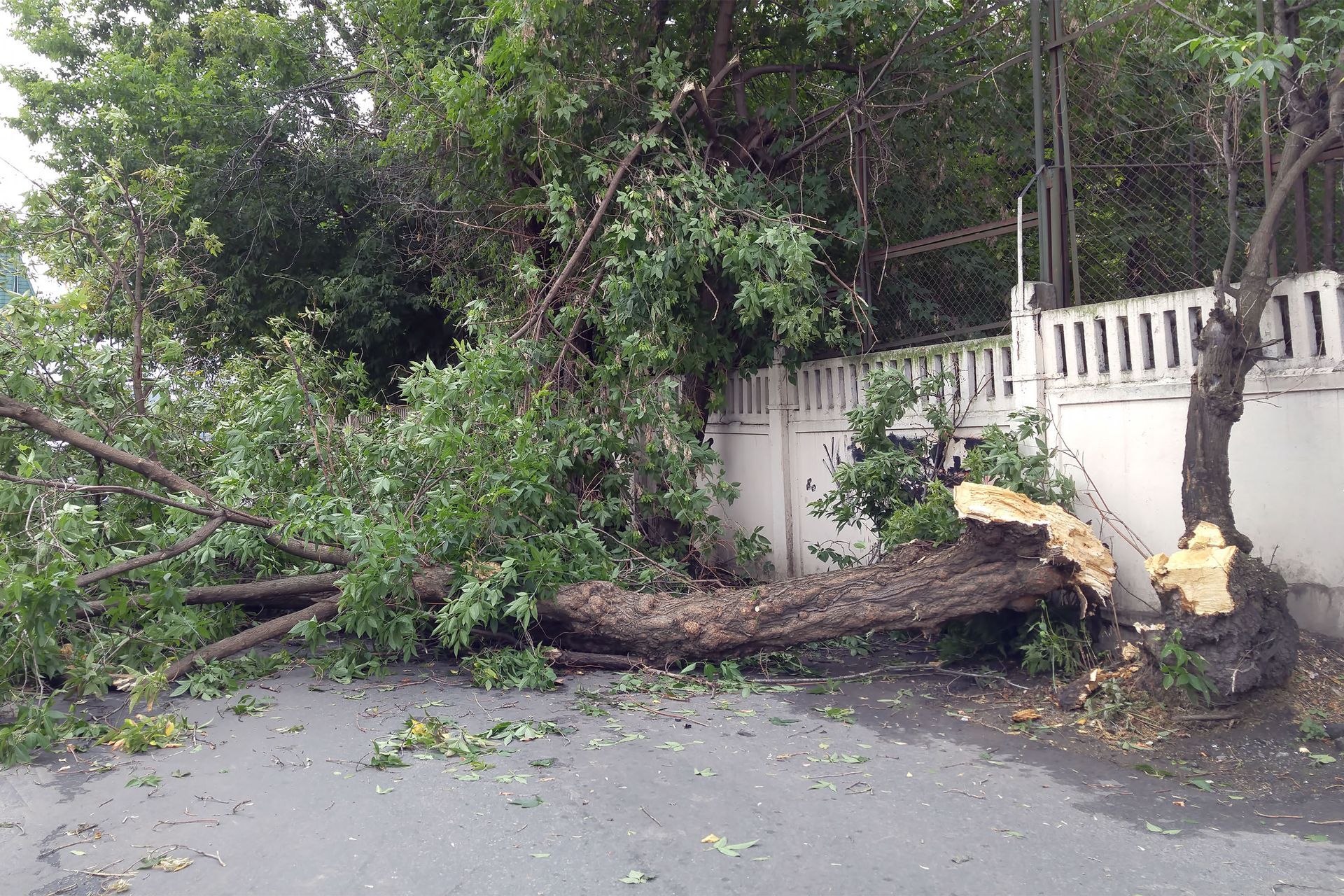
Branches that extend over roofs, driveways, garages, fences, or utility lines pose a heightened risk if they break unexpectedly. Falling limbs can damage shingles, vehicles, outdoor living spaces, and power infrastructure. In more severe situations, an entire tree can topple onto a home, resulting in significant structural damage and creating dangerous conditions for occupants.
The risks are not limited to buildings. Dead or weakened trees located near sidewalks, playgrounds, or frequently used outdoor spaces increase the likelihood of personal injury. Property owners may also face liability concerns if a hazardous tree causes damage or injuries that could have been prevented through reasonable maintenance.
Storms often expose hidden weaknesses within compromised trees. Strong winds, saturated soil, heavy snow, and ice accumulation place additional stress on already unstable trunks and root systems. Scheduling tree removal before severe weather arrives significantly reduces these risks and helps property owners avoid emergency situations.
What Are the Environmental Effects of Not Removing Unhealthy Trees?
Healthy trees provide valuable environmental benefits, including improved air quality, wildlife habitat, and soil stabilization. However, unhealthy or dying trees can create ecological problems when left untreated.
Many diseases that affect trees spread through insects, fungal spores, or root systems. A severely infected tree may become a source of contamination that threatens nearby healthy trees. Prompt tree removal can help slow or prevent the spread of certain diseases throughout a landscape, preserving the health of surrounding vegetation.
Dead trees also attract insects that thrive in decaying wood. While some insects contribute positively to natural ecosystems, others become destructive pests capable of spreading into healthy trees or nearby wooden structures. Termites, carpenter ants, and certain beetle species may take advantage of declining trees before expanding their range.
Unstable trees can also interfere with ecosystem balance when they collapse unexpectedly. A large fallen tree may damage younger vegetation beneath it, disrupt drainage patterns, or create erosion concerns on sloped properties. Removing hazardous trees in a controlled manner allows surrounding plants greater opportunity to thrive without experiencing sudden damage.
It is important to recognize that not every dead tree requires immediate removal in natural forest settings. However, in residential and developed landscapes where public safety and property protection are priorities, removing hazardous trees is often the most responsible course of action.
Does Delaying Tree Removal Affect Property Values?
Curb appeal plays a significant role in how a property is perceived, and unhealthy trees can quickly diminish its overall appearance. A dead or severely damaged tree often becomes one of the first features visitors or prospective buyers notice.
Potential buyers frequently interpret neglected landscaping as an indication that other maintenance issues may exist throughout the property. Even if the home itself is in excellent condition, a hazardous tree can create concerns about future repair expenses and safety risks.
Real estate professionals often emphasize the value of maintaining attractive, well-kept outdoor spaces. Removing dangerous or dying trees allows healthy landscaping to become the focal point while creating a cleaner, more inviting appearance.
Insurance considerations may also influence buyer confidence. Some insurance companies evaluate obvious property hazards during underwriting or renewal processes. A visibly compromised tree hanging over a house or garage could raise questions about potential claims and future maintenance obligations.
Completing tree removal before listing a property demonstrates proactive maintenance and can help eliminate one potential obstacle during negotiations. Buyers generally appreciate knowing that significant safety concerns have already been addressed.
What Are the Costs Involved in Tree Removal, and How Do Delays Affect Them?
The cost of tree removal varies depending on several factors, including tree height, trunk diameter, accessibility, location, and overall complexity. Trees located close to homes, power lines, fences, or other structures generally require more specialized equipment and careful planning, increasing labor requirements.
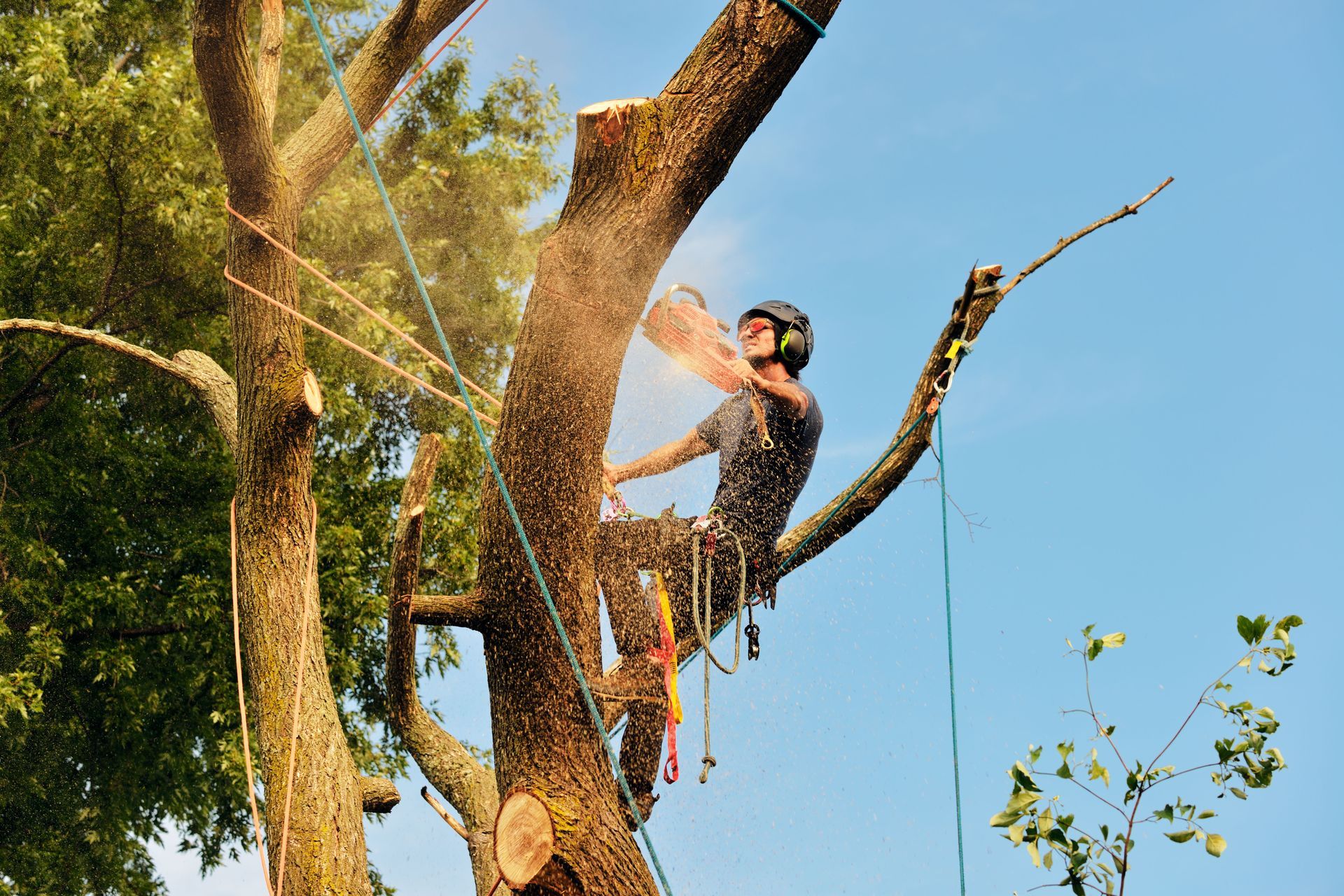
While some property owners postpone removal in hopes of saving money, delays often produce the opposite result. As a tree continues to decline, its structural condition may become increasingly unpredictable. Additional safety precautions, specialized rigging, or crane assistance may eventually become necessary to remove it safely.
Emergencies typically carry higher costs than planned work. If a tree falls during a storm or becomes dangerously unstable without warning, property owners may face emergency response charges in addition to repair expenses for damaged buildings, vehicles, or landscaping.
Delaying tree removal can also result in secondary costs. Damaged roofs, broken fences, crushed sheds, destroyed landscaping, and utility interruptions often far exceed the original cost of removing the hazardous tree before failure occurred.
Planning removal during favorable weather conditions may also provide scheduling flexibility, allowing homeowners to arrange service before peak emergency seasons. Taking a proactive approach often reduces stress while helping avoid unexpected financial burdens associated with storm-related tree failures.
Delaying tree removal may seem like an easy way to postpone an expense, but waiting often creates greater risks and higher long-term costs. Recognizing early warning signs such as dead branches, trunk damage, leaning, and root instability allows property owners to address problems before they escalate into emergencies.
Prompt action helps protect homes, vehicles, neighboring properties, and the people who use them every day. It also supports healthier landscapes by reducing the spread of disease and minimizing the impact that hazardous trees can have on surrounding vegetation. Whether the goal is improving safety, maintaining curb appeal, or avoiding costly emergency repairs, timely
tree removal remains one of the most effective investments in responsible property maintenance. If you need a tree safely removed, reach out to the professionals at Kelley Brothers Tree Service today!

Share On: