
How to Tell When a Tree Poses a Danger to Your Property
Removing a tree is rarely a casual decision. Trees provide shade, character, and environmental benefits, but they can also become liabilities when they are damaged, diseased, or positioned too close to structures. Homeowners often struggle with deciding whether a problem tree truly needs to come down and, if so, whether hiring a professional is worth the investment. Understanding the signs, risks, and benefits involved in tree removals can help you make a confident and informed choice that protects both your property and your safety.
When Is Tree Removal Necessary?
There are several situations where tree removals become not just an option, but a necessity. One of the most common reasons is disease. Trees affected by fungal infections, insect infestations, or internal rot may appear stable on the outside while deteriorating from within. Once a tree’s structural integrity is compromised, the risk of sudden failure increases significantly.
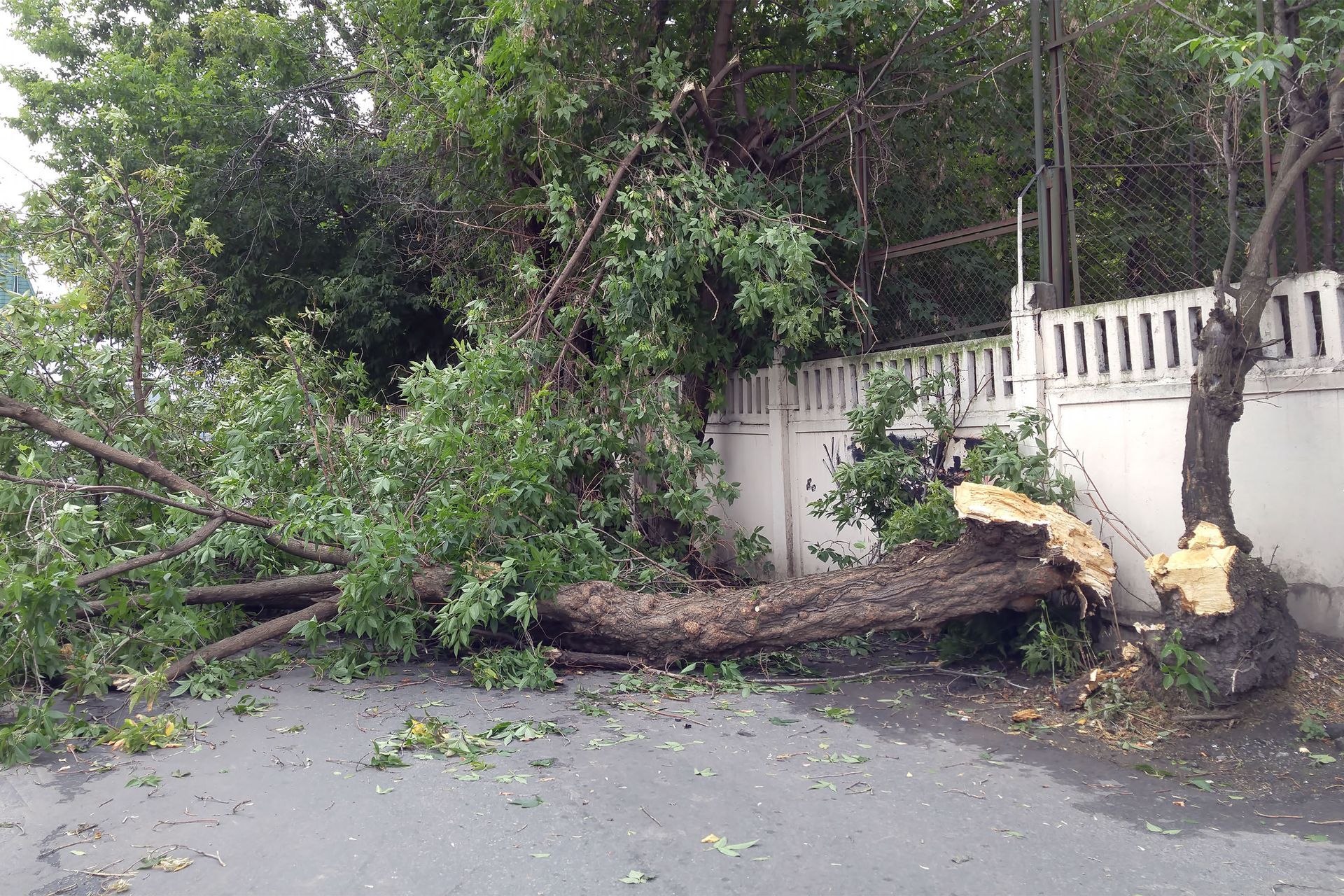
Storm damage is another major factor. High winds, lightning strikes, and heavy snow can crack trunks or weaken large limbs. Even if a damaged tree remains standing after a storm, it may no longer be safe. Over time, gravity and weather stress can cause compromised sections to fall unexpectedly, threatening nearby homes, vehicles, or people.
Location also plays a role. Trees growing too close to foundations, roofs, power lines, or underground utilities can cause long-term damage. Roots may disrupt sidewalks and driveways, while overhanging limbs can scrape roofing materials or block sunlight needed for other plants. In these cases, proactive tree removals can prevent more costly repairs down the line.
Timing is an important factor when planning tree removals, especially when safety and efficiency are priorities. According to Lawnstarter, the ideal time to remove a tree is from late winter through early spring, when trees are dormant and less susceptible to stress. During this window, structural weaknesses such as decay or storm damage are easier to identify, and surrounding plants are less likely to be disturbed by heavy equipment. Scheduling tree removals during this season can also improve job efficiency and reduce the overall impact on your landscape.
What Are the Risks of DIY Tree Removals?
While it may be tempting to handle tree removals yourself to save money, the risks involved are substantial. Cutting down a tree is not the same as trimming a few branches. Misjudging the direction of a fall, underestimating a tree’s weight, or failing to spot internal decay can lead to severe injuries or significant property damage.
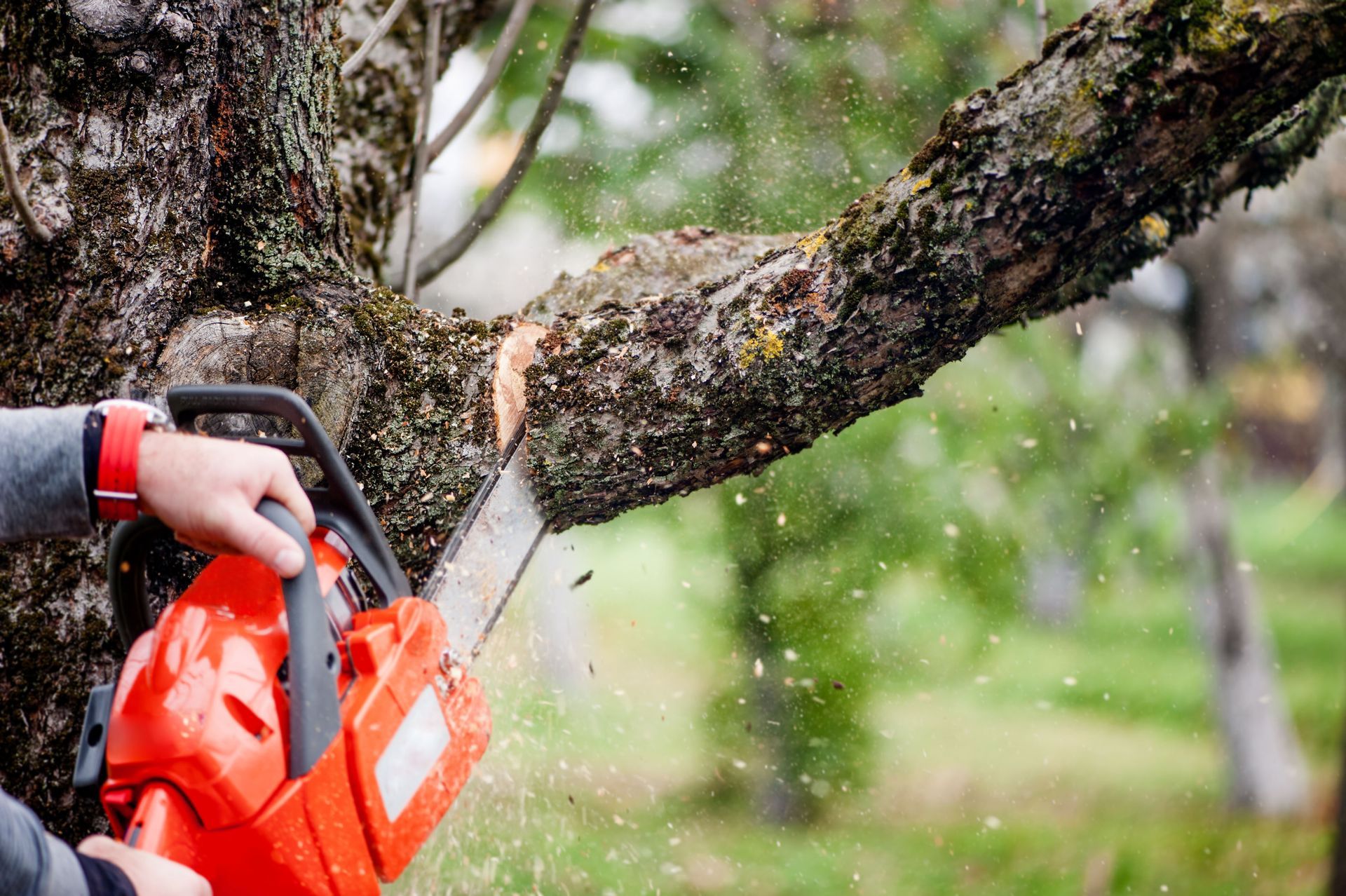
One of the biggest dangers is uncontrolled falling. Trees rarely fall exactly where expected, especially when wind, uneven weight distribution, or nearby obstacles are involved. A single miscalculation can result in a tree crashing into a house, fence, or vehicle. Personal safety is another concern. Chainsaws, ladders, and heavy limbs present serious hazards, even for individuals with basic tool experience.
DIY tree removals also come with legal and financial risks. If a tree falls onto a neighbor’s property or damages utility lines, the homeowner may be held liable. Medical bills, repair costs, and potential lawsuits can quickly outweigh any initial savings from avoiding professional services. Additionally, many homeowners’ insurance policies may not cover damages resulting from unlicensed or improper work.
How Do Professionals Ensure Safe Tree Removals?
Professional tree removal services approach the task with training, planning, and specialized equipment. Before any cutting begins, experts assess the tree’s condition, height, lean, and proximity to structures. This evaluation allows them to determine the safest removal method, whether that involves sectional dismantling, crane assistance, or controlled felling.
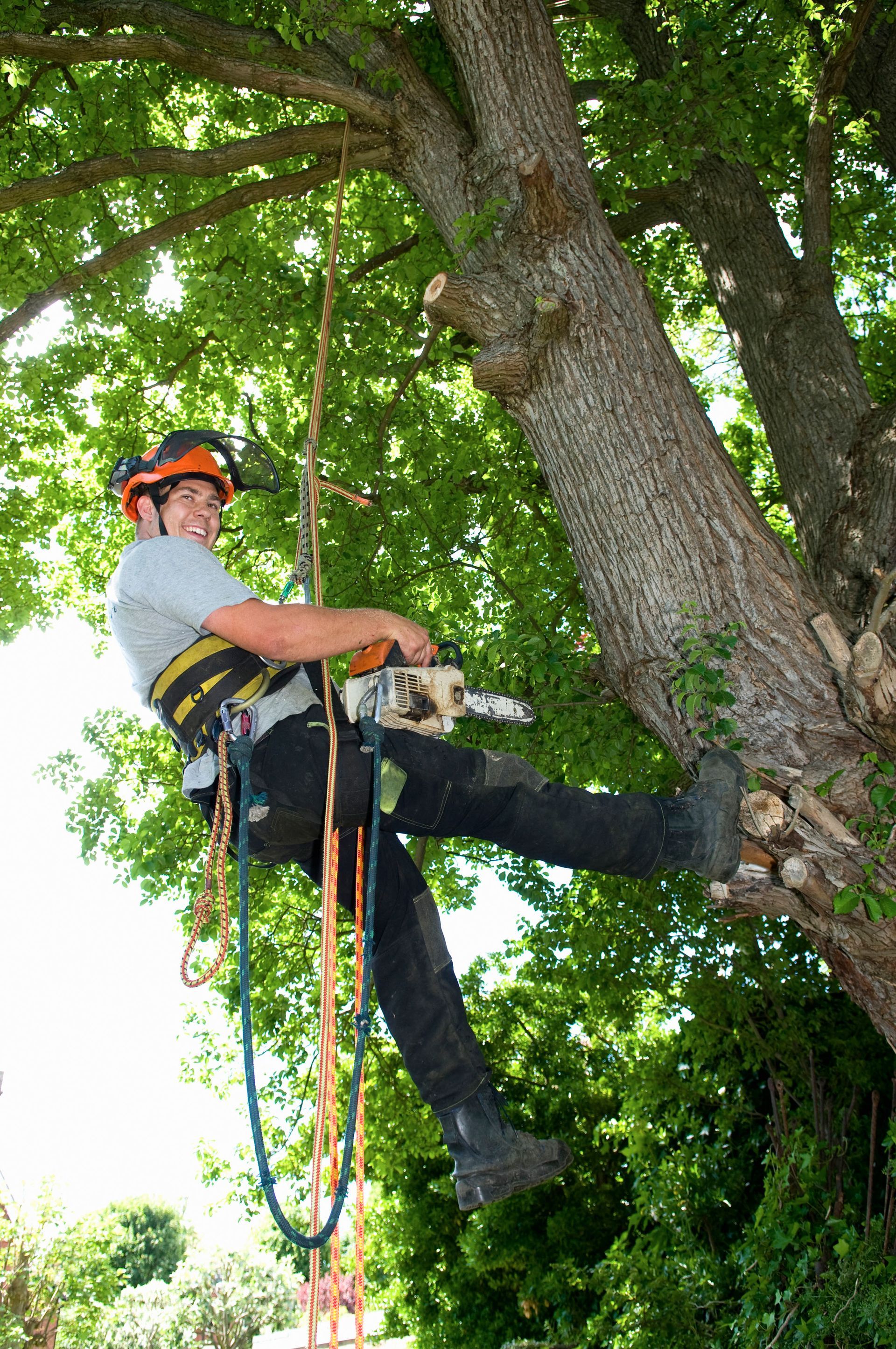
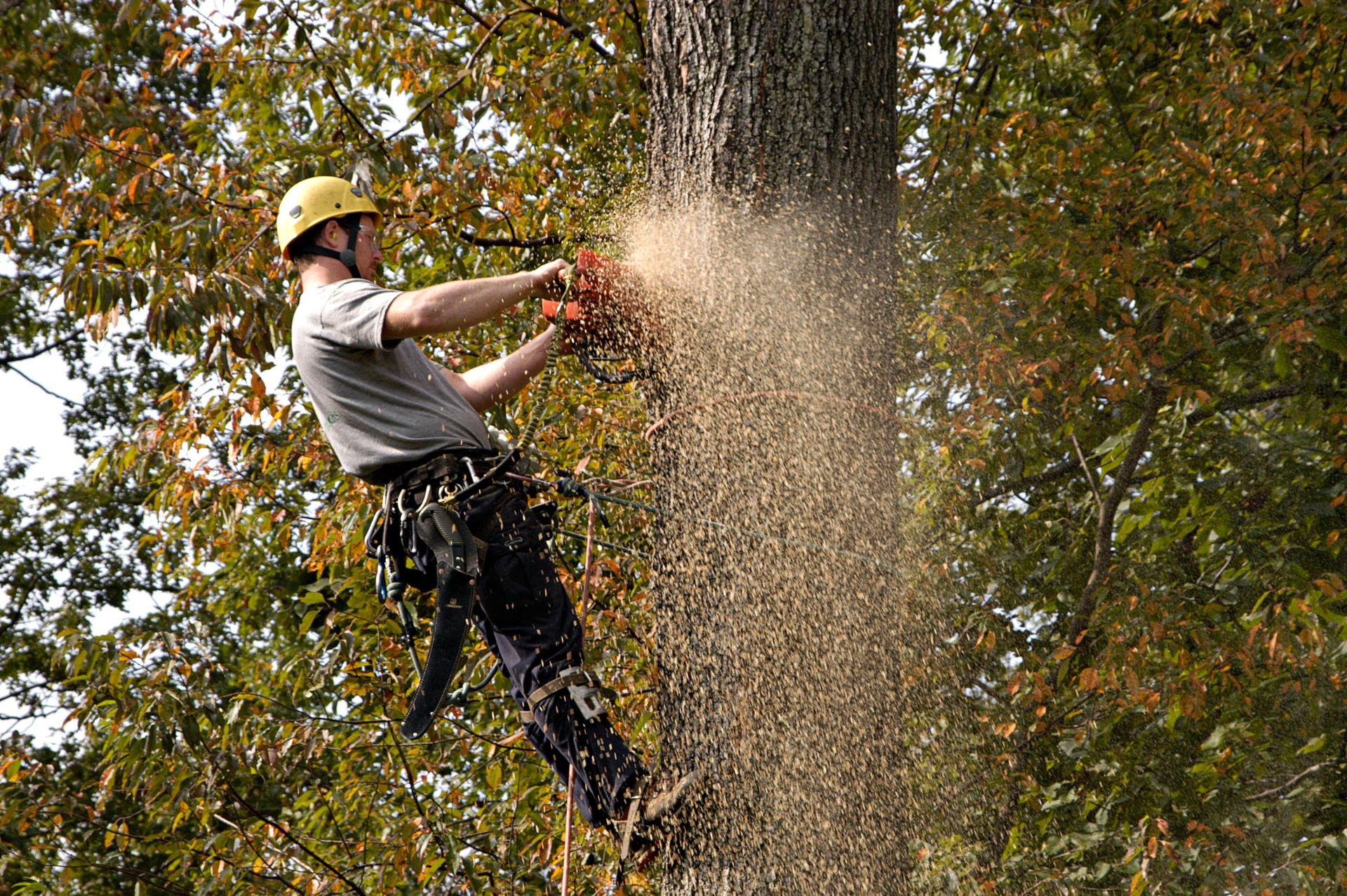
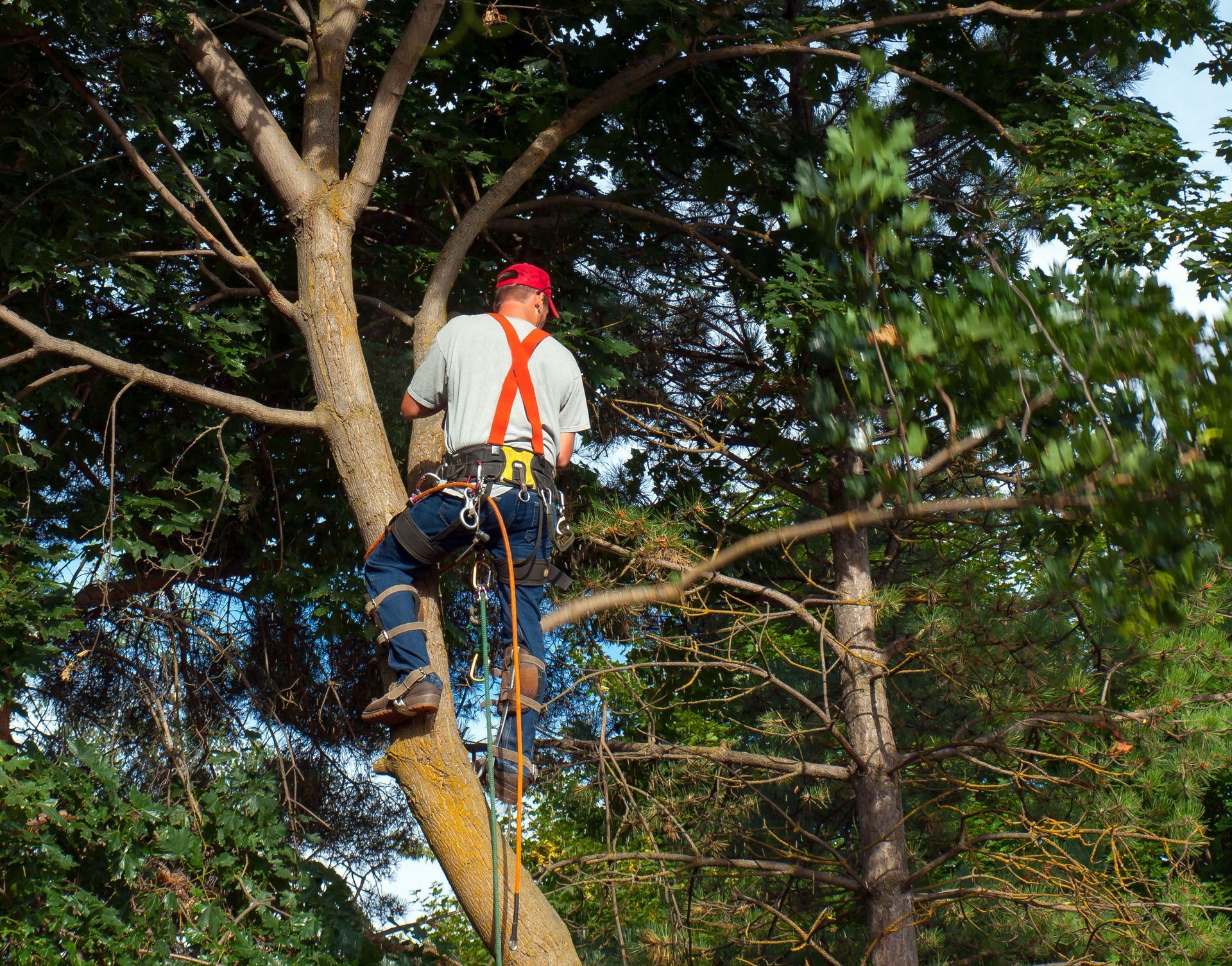
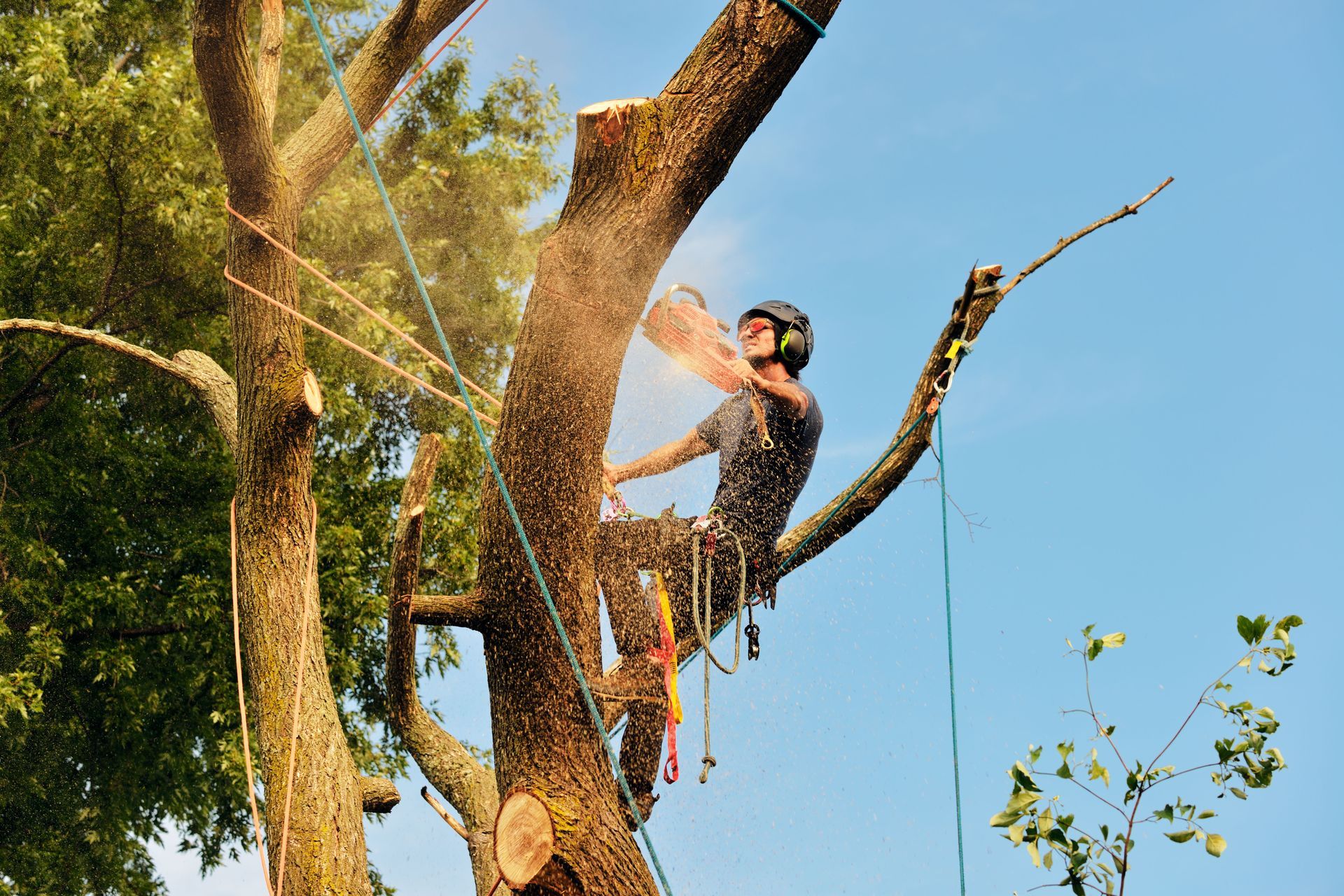
Safety protocols are a defining feature of professional tree removals. Crews use protective gear such as helmets, harnesses, and cut-resistant clothing. Ropes and rigging systems are employed to lower branches gradually, reducing the risk of uncontrolled drops. For large or hazardous trees, professionals often remove the tree in sections, starting from the top and working downward to maintain stability.
Another advantage of professional services is their knowledge of local regulations and best practices. Some municipalities require permits for certain tree removals, especially for protected species or trees of a certain size. Professionals handle these requirements and ensure compliance, sparing homeowners from fines or delays.
Experience also plays a crucial role. Trained arborists can identify hidden issues such as hollow trunks or root instability that may not be obvious to an untrained eye. This expertise allows them to adjust their approach in real time, keeping both workers and property safe throughout the process.
What Should I Look for in a Tree Removal Service?
Choosing the right provider is just as important as deciding to remove the tree itself. Licensing and insurance should be non-negotiable. A reputable company carries liability insurance and workers’ compensation coverage, protecting you from responsibility if an accident occurs during the job.
Experience and credentials matter as well. Companies with a strong track record in tree removals are better equipped to handle complex or high-risk situations. Asking about certifications, training, and years in operation can provide insight into their level of expertise. Customer reviews and testimonials are another valuable resource, offering real-world feedback on reliability, professionalism, and results.
Transparency is also key. A trustworthy service will provide a clear explanation of the process, timeline, and cleanup plan. Tree removals often involve debris, stumps, and sawdust, so understanding what is included in the service helps avoid surprises. Some companies offer additional options such as stump grinding or wood hauling, which can be convenient for homeowners.
Finally, communication should not be overlooked. A professional team takes the time to answer questions, address concerns, and explain why removal is recommended. This collaborative approach builds confidence and ensures that expectations are aligned from start to finish.
What Is the Cost Associated With Tree Removal Services?
The cost of professional tree removals can vary widely depending on several factors. Tree size is one of the most significant influences. Taller trees with thicker trunks require more labor, equipment, and time to remove safely. Location also affects pricing. Trees situated near buildings, fences, or power lines often require more careful, labor-intensive methods.
Condition plays a role as well. Dead or severely damaged trees may be more hazardous to remove, increasing the complexity of the job. Accessibility is another consideration. If heavy equipment cannot easily reach the site, crews may need to rely on manual techniques, which can raise costs.
While professional tree removals represent an upfront expense, they often prevent far greater costs in the future. Addressing a dangerous tree before it falls can save thousands of dollars in repairs and reduce the risk of injury. Many homeowners also find value in the peace of mind that comes with knowing the job was handled correctly and safely.
Obtaining multiple estimates is a smart approach. Reputable companies are willing to provide written quotes and explain the factors influencing their pricing. This transparency allows you to compare services and make an informed decision based on both cost and quality.
Deciding whether it is time to remove a tree involves balancing safety, aesthetics, and long-term property concerns. While minor issues may be manageable with pruning or monitoring, serious damage, disease, or structural risks often make professional
tree removals the wisest choice. Trained experts bring the tools, experience, and safety measures needed to handle complex situations efficiently. By understanding when removal is necessary and what to expect from professional services, homeowners can protect their investment, reduce liability, and maintain a healthy, secure landscape. If you need a tree removed quickly and safely, reach out to the professionals at Kelley Brothers Tree Service today!

Share On: