
How a Tree Remover Handles Permits
Removing a tree is rarely as simple as cutting it down. In most communities, the process is regulated by local, county, and sometimes state laws designed to protect people, property, and the environment. A professional tree remover must understand and follow these regulations carefully to ensure every project is completed legally, safely, and responsibly. From researching ordinances and assessing site conditions to preparing documentation and coordinating inspections, each step of the permit process plays a critical role in successful tree removal. By following a structured approach, a tree remover can minimize delays, avoid penalties, and ensure that every removal serves both the property owner’s needs and the greater community’s well-being. Understanding how this process works gives homeowners and businesses confidence that their project will be handled with care, compliance, and professionalism.
Understanding Local Regulations and Permit Requirements
Understanding local regulations is the foundation of every successful tree removal project. A knowledgeable tree remover begins by researching city and county ordinances that dictate when permits are required, which tree species are protected, and what documentation must be submitted. These rules can vary widely depending on location, zoning, and environmental priorities, making it essential to confirm the specific requirements for each job. Residential properties may be subject to different standards than commercial or industrial sites, and historic districts or environmentally sensitive areas often carry additional restrictions. By thoroughly understanding these distinctions, a tree remover can avoid unnecessary delays and legal complications.
Equally important is identifying any protected tree species or heritage trees that require special permission before removal. Many municipalities enforce strict guidelines to preserve trees that provide ecological benefits or historical value. Failing to comply with these protections can result in fines, project shutdowns, and damage to professional credibility. Consulting with local authorities, zoning offices, and environmental agencies helps clarify these requirements and ensures accurate interpretation of current regulations. Since ordinances can change over time, a professional tree remover stays informed through ongoing education and communication with regulatory offices, ensuring continued compliance and responsible practices.
Assessing Site Conditions and Tree Health
Assessing the site and the tree itself is a critical step in determining whether removal is necessary and how the permit application should be structured. A detailed site visit allows the tree remover to evaluate access points, nearby structures, power lines, underground utilities, and surrounding vegetation. These factors influence not only the removal method but also the type of documentation required for permit approval. By identifying potential obstacles early, professionals can design a safer, more efficient plan while reducing unexpected complications.
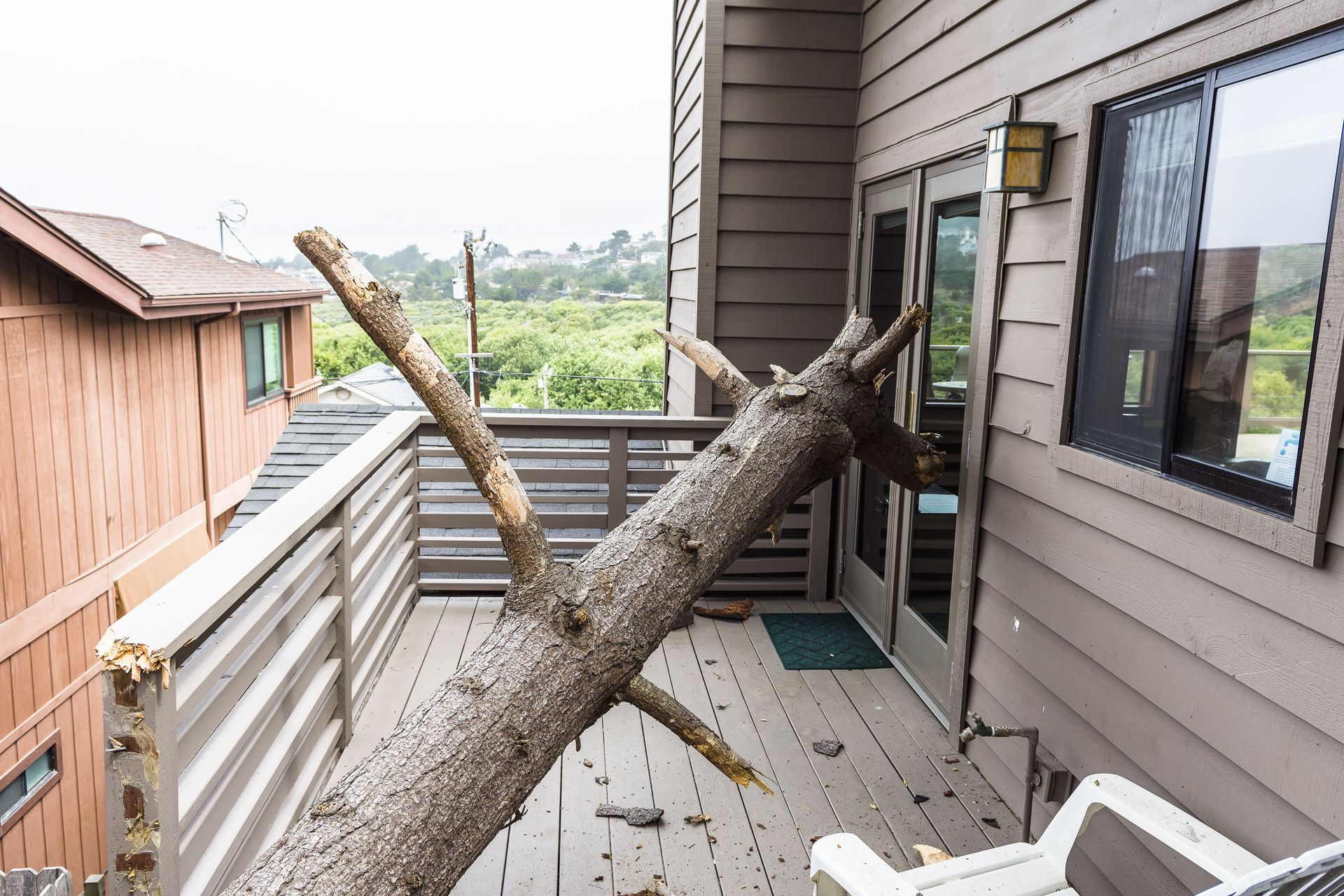
Evaluating the health and stability of the tree is equally important. Signs of disease, decay, structural weakness, or storm damage often justify removal, particularly when a tree poses a risk to people or property. According to My Trusted Expert, typically, trees are trimmed once or twice a year to maintain their shape and overall aesthetic appeal. Accurate measurements of trunk diameter, canopy spread, and height are recorded to support the permit request. Photographs and written assessments provide further evidence of the tree’s condition and its potential hazards. Additionally, the tree remover considers environmental impacts such as soil stability, wildlife habitats, and drainage patterns. This holistic approach ensures that removal decisions are justified, responsible, and aligned with community standards.
Preparing Thorough Permit Applications
Preparing a complete and accurate permit application is essential for timely approval. A professional tree remover compiles all required documentation, including site plans, photographs, health assessments, and proof of zoning compliance. Missing or inaccurate information can lead to delays, rejections, or additional review cycles, so attention to detail is crucial. Many municipalities provide checklists or guidelines, which help ensure that all necessary materials are included from the start.
Completing application forms requires precision and clarity. Each field must reflect the supporting documents without discrepancies, ensuring consistency throughout the submission. A comprehensive removal plan is also developed, outlining the methods, equipment, safety measures, and environmental protections that will be used. This plan demonstrates professionalism and reassures authorities that the project will be conducted responsibly. By carefully assembling these materials, a tree remover increases the likelihood of swift approval and establishes trust with regulatory agencies.
Managing Communication and Post-Submission Steps
Managing communication with local authorities after submission is a vital part of the permitting process. Open, respectful dialogue allows the tree remover to address questions, provide clarifications, and submit additional materials if requested. Prompt responses demonstrate professionalism and a commitment to compliance, helping maintain momentum throughout the review period. Clear communication also reduces misunderstandings that could otherwise delay approval.
In some cases, authorities may require site inspections before issuing a permit. Preparing for these inspections involves ensuring that the site is accessible, safe, and well-documented. Inspectors may verify measurements, assess environmental impacts, and confirm that proposed methods align with regulations. Understanding the appeal process is also important if an application is denied. A skilled tree remover can revise documentation, address concerns, and resubmit materials to improve the chances of approval. By managing these post-submission steps effectively, professionals keep projects on track and clients informed.
Executing Safe and Compliant Tree Removal
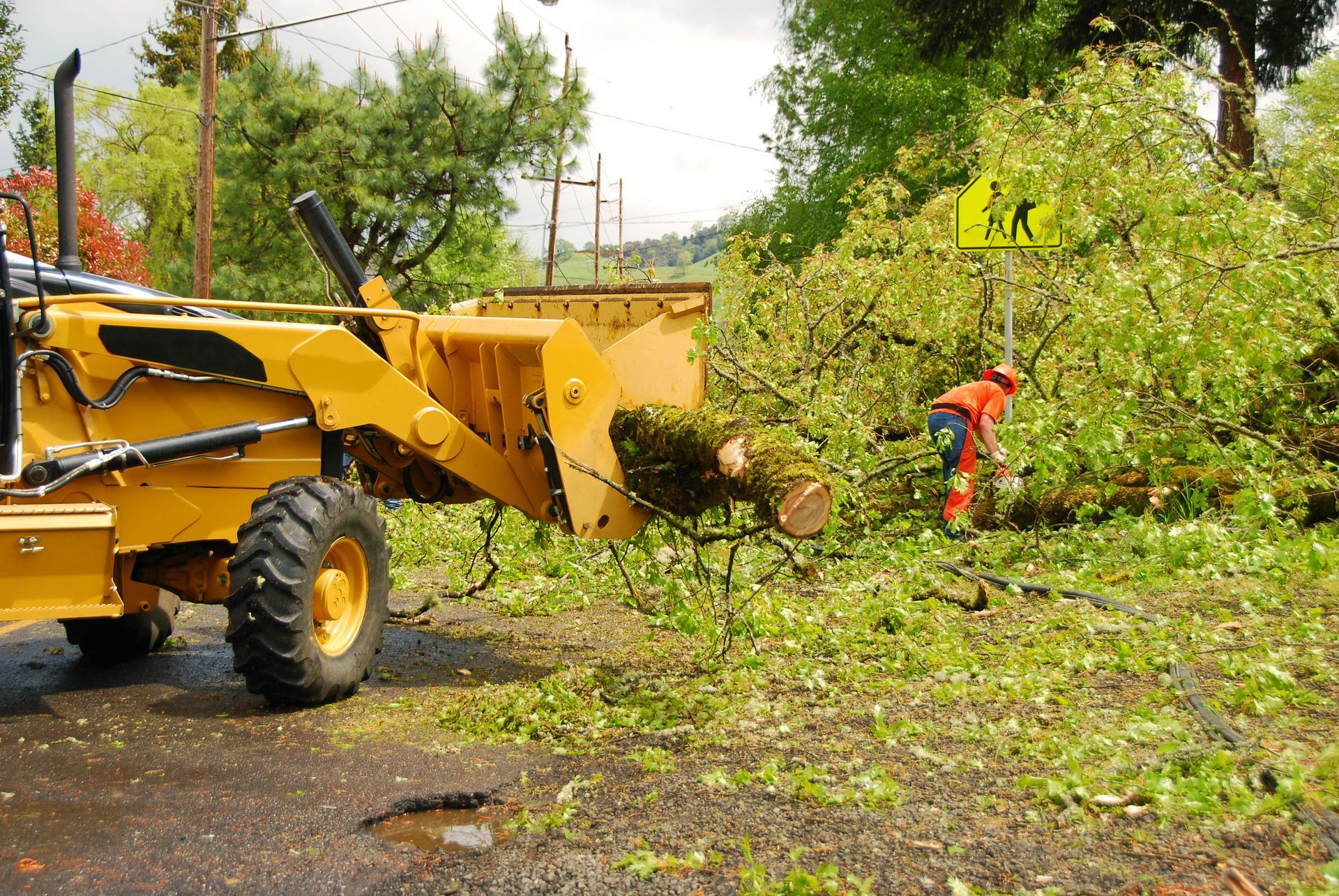
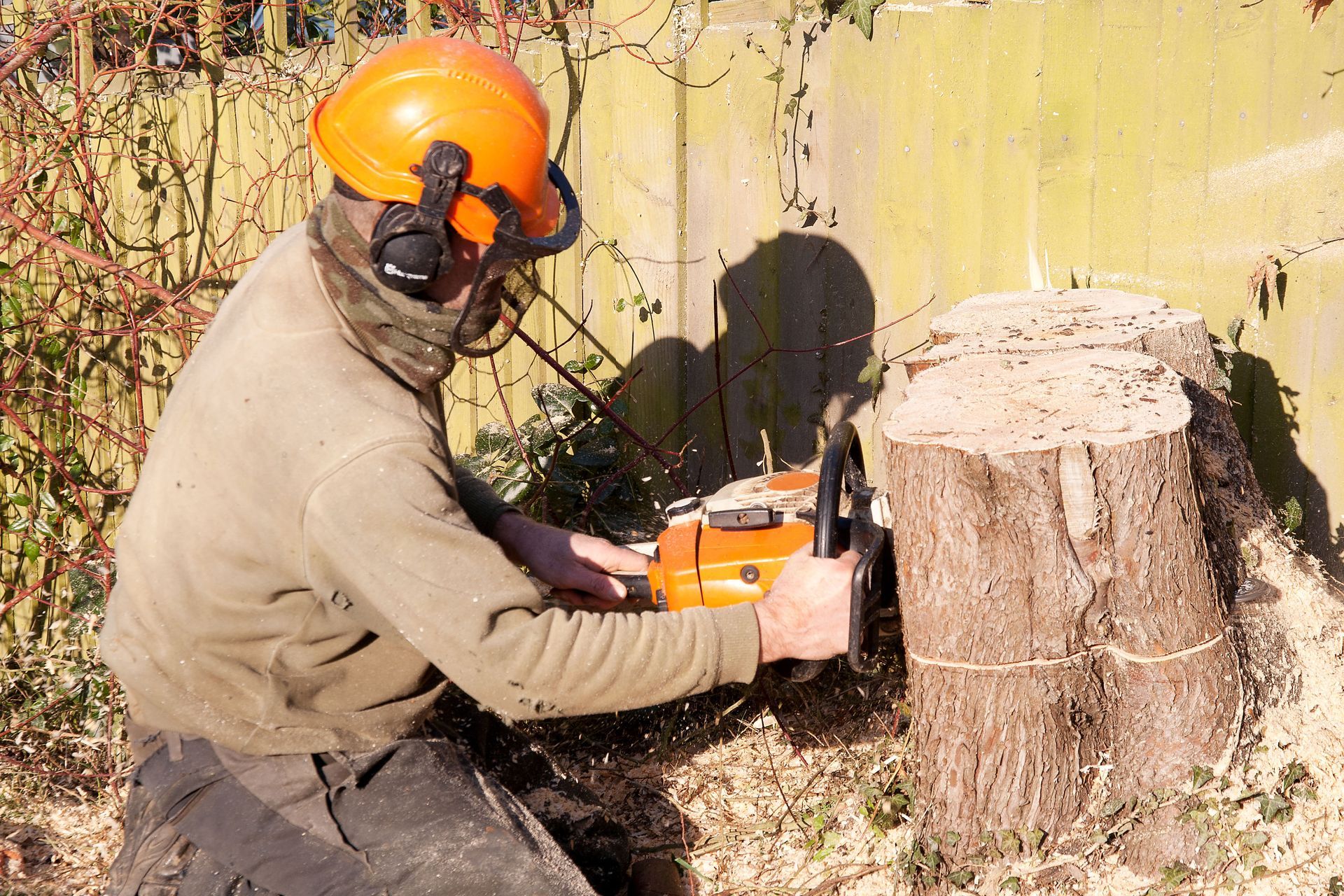
Executing the removal according to permit conditions is where careful planning meets skilled craftsmanship. A professional tree remover coordinates with trained crews to ensure that every aspect of the operation aligns with regulatory requirements. This includes using approved equipment, following safety protocols, and adhering to specified timelines. Supervisors conduct regular checks to confirm that all activities remain compliant throughout the process.
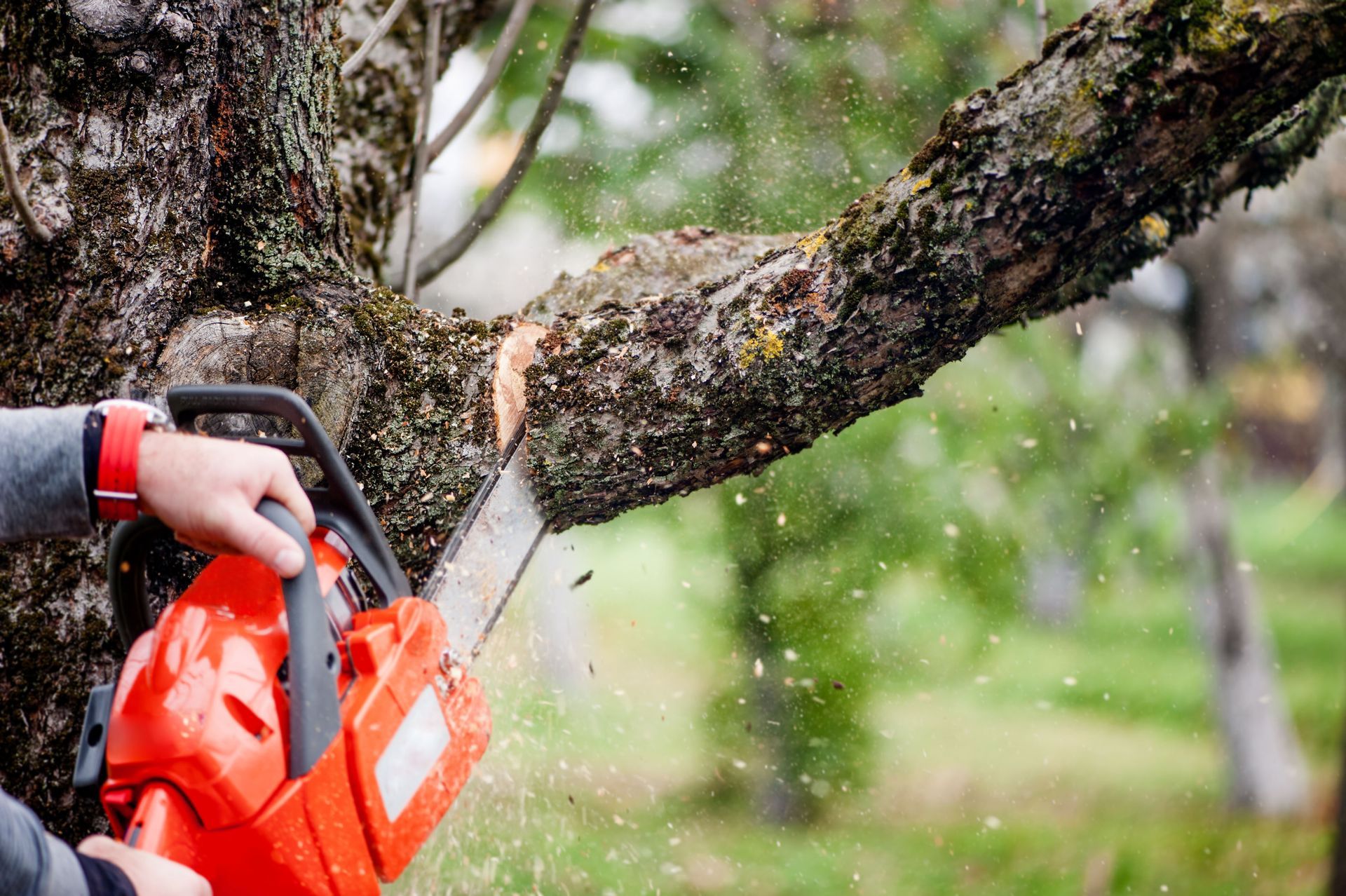
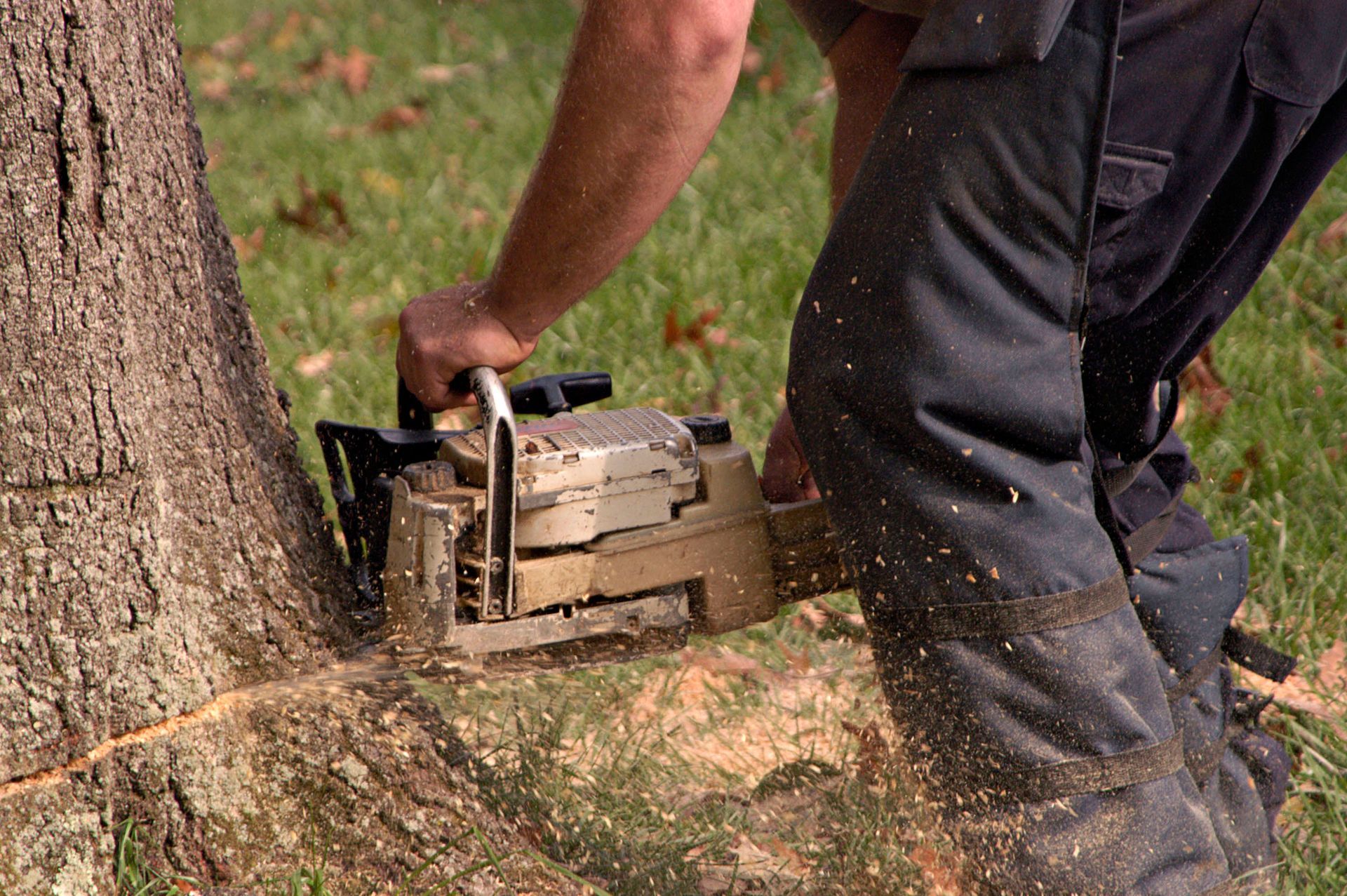
Safety is a top priority during execution. Protective measures safeguard workers, nearby residents, and surrounding structures. Techniques such as controlled dismantling, rigging systems, and strategic cutting minimize risks and prevent property damage. Environmental considerations remain central, with steps taken to reduce soil disturbance, protect adjacent vegetation, and manage debris responsibly. Continuous monitoring allows for real-time adjustments if conditions change. By maintaining strict compliance and safety standards, a tree remover ensures successful project completion while preserving community trust.
Resolving Non-Compliance and Ensuring Accountability
Resolving potential non-compliance issues quickly is essential for maintaining professional integrity and legal standing. Regular audits and inspections help identify any deviations from approved plans, allowing corrective measures to be implemented immediately. Open communication with authorities facilitates constructive discussions and collaborative solutions, often preventing minor issues from escalating into major problems. This proactive mindset supports smoother project timelines and reinforces a reputation for dependable, responsible service.
Understanding the legal and financial consequences of non-compliance underscores the importance of diligence. Fines, project delays, and reputational damage can result from regulatory violations. When issues arise, remediation efforts may include site restoration, revised safety protocols, and additional training for crew members. Maintaining transparent reporting and ongoing compliance efforts builds positive relationships with regulatory agencies and reinforces a commitment to responsible operations. Through these practices, a tree remover upholds accountability and long-term professional credibility.
Successfully navigating the tree removal permitting process requires knowledge, preparation, and careful execution. From understanding regulations and assessing site conditions to preparing applications and managing inspections, each step contributes to safe, lawful, and environmentally responsible outcomes. A skilled tree remover balances efficiency with compliance, ensuring that projects meet both client needs and community standards. This careful approach not only prevents costly delays and penalties but also builds lasting trust with homeowners and local authorities alike. By prioritizing communication, safety, and accountability, professionals deliver reliable results while preserving ecological integrity. When you need dependable guidance and expert service for your tree removal needs, trust the proven experience and dedication of Kelley Brothers Tree Service.

Share On: